2 longtime educators compete in Democratic primary for SC superintendent
Jun 05, 2026 | 4:41 pm ET
Description
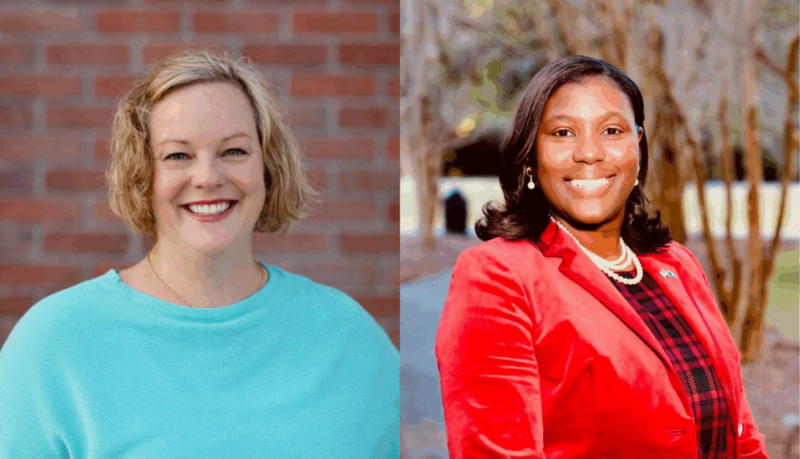
Lisa Ellis, left, and Sylvia Wright, right, are the Democratic candidates for state superintendent. (Photos courtesy of Lisa Ellis, left, and Sylvia Wright, right.)
COLUMBIA — Two longtime educators are leaning on their experience as the reason voters should choose them as the Democratic nominee for state superintendent.
Lisa Ellis, a 50-year-old student activities director living in Blythewood, said her primary focus is how to keep teachers in the classroom. Sylvia Wright, a 45-year-old who most recently worked as a district coordinator for Dorchester 4, said she would push for preschool for all 4-year-olds, regardless of income status.
The winner of Tuesday’s primary will face incumbent Superintendent Ellen Weaver and United Citizens candidate Baba Amin Ojuok in November. Weaver, a Republican, faces no opposition in Tuesday’s primary.
The last Democrat to hold the office was Jim Rex, who won in 2006 with fewer than 500 votes.
Ellis and Wright both touted long careers working in schools, though Ellis says her more recent time spent teaching makes her more qualified. Wright contends she brings more leadership experience from working in district administration.
Lisa Ellis
This isn’t Ellis’ first time trying to become superintendent. The founder of lobbying group SC for Ed won a three-way primary in 2022 before losing the general election to Weaver by 16 percentage points.
She decided to challenge Weaver again after disagreeing with many of the policies Weaver has championed, including removing books from school libraries for containing material deemed too sexual and giving parents state funds to teach their children at home.
She hopes broader disagreements with those changes will lead to more votes for a Democrat in office, she said.
“Those conversations are for sure different than they were four years ago,” Ellis said.
Ellis’ primary focus is on keeping teachers in the classroom and raising pay for all school employees. That’s the root of most issues in education, including low student performance, Ellis said.
The number of empty positions has dropped in recent years, with 706 vacancies reported at the beginning of the 2025-2026 school year, the lowest that number has been since before the COVID-19 pandemic.
Over the last decade, legislators have put hundreds of millions of dollars into raising teachers’ salaries.
In the coming school year, the minimum pay for first-year teachers with a bachelor’s degree will be $50,500. That’s up from $30,000 in 2017.
But pay for other school employees, such as bus drivers and cafeteria workers, haven’t kept up, Ellis said. Those employees also work with students and can make an impact on their lives, so they should receive significant increases too, she said.
“Working with kids can be trying and exhausting and also exhilarating, but it takes a toll,” Ellis said. “We’ve got to make sure that we’re paying people that are directly impacting students a wage that equals what they’re contributing to our society.”
Giving teachers more time to work directly with students instead of completing administrative tasks, which Ellis said often amount to “checking boxes,” could also encourage more teachers to stay on the job, she said.
Teachers can spend hours in meetings talking about data or meeting with administrators instead of developing lesson plans, Ellis said.
A law passed last year guarantees teachers planning time without mandatory professional development meetings and allows training to count toward required continuing education credits for recertification.
Ellis wants to go further, changing teacher evaluation systems to require fewer meetings and focus more on how much students improve over the course of a year, she said.
And she wants to make sure professional development meetings are as limited as possible, such as including only teachers who need the training. As is, longtime educators sometimes have to sit through training designed more for those new to the job, or they have to learn about new technology that isn’t relevant to every classroom, she said.
“When teachers aren’t given the autonomy to do what is best for them and their students, then it’s just sort of a waste of time,” Ellis said.
That could lead teachers to spend more time in the profession, making them more confident with the material and helping them form more meaningful connections with students, Ellis said.
500 SC teachers got bonuses of up to $57K. Program leaders want to expand them statewide.
She also supports state-supported incentives for teachers who have stayed in the classroom for a long time, such as scholarships to complete an advanced degree or free childcare.
She pointed to her 25 years of experience working with students to back up her ideas. As student activities director for Blythewood High School, Ellis helps students run school-wide events and programs, she said.
Sometimes, a policy might look good on paper, but spending a long time in classrooms can make it easier to point out unintended consequences, Ellis said.
“I’ve seen firsthand all of that,” Ellis said. “It gives me a better perspective of how to solve the problems rather than just putting Band-Aids on them.”
Sylvia Wright
Wright first got the idea of running for superintendent in 2023, while looking for a private preschool for her then-1-year-old grandson, she said. She knew he wouldn’t qualify for taxpayer-funded programs open to low-income students, but as she looked at the price tags for private options, she thought, “What about the other kids?”
As superintendent, Wright would work with First Steps, the agency overseeing publicly funded preschool classes in childcare centers and private schools, to advocate for universal pre-K, she said. That would open eligibility to all students, regardless of their parents’ income.
Gov. Henry McMaster made the same suggestion in his executive budget this year, but neither chamber’s spending plan included the expansion.
Students are eligible for free preschool under state law if they qualify for Medicaid, are homeless, in foster care or show developmental delays. Many public schools use local property tax dollars to pay for more slots.
Some families may make too much money to qualify for a state-funded program but can’t afford a private preschool, Wright said. Research shows students who go to preschool, especially those considered at-risk, are better prepared for kindergarten, setting them up for academic success.
“That’s the foundation that education is built on,” Wright said.
She also wants to push for improvements to school safety, she said.
For the past three years, legislators have spent $20 million to give schools grants for safety-related projects, such as door locks, increased security at school entrances and storage for cellphones. Security is important, but there are other aspects of school safety going unaddressed, Wright said.
Mold growth, for example, can pose concerns for students’ safety. As can overcrowded classrooms in districts without the funds to expand their space. And she wants some money to go toward anti-bullying programs, she said.
“School safety is more than just an intruder,” Wright said.
Recruitment and retention are also among the issues Wright wants to address, but she would do so by expanding a program that forgives teachers’ student loans if they stay and teach in South Carolina.
The Teacher Loan Program wipes out student debt for people who teach in rural areas or critical subject areas, though a shortage in teachers led the list of critical subjects to include nearly anything someone might teach.
Wright would want to partner with colleges to make sure students actually took advantage of that program, she said.
“I know the student loans are a barrier,” Wright said.
Wright emphasized that she spent years teaching before moving into more administrative roles. Originally from South Carolina, she also taught at schools in Maryland and Texas before moving back to the Palmetto State in 2019, and her work has run the gamut of income levels, she said.
As district coordinator, Wright oversaw curriculum, reviewed testing data and helped train teachers, she said. Although she called that her dream job, she resigned last fall to focus full-time on campaigning.
“That’s what I offer, that’s what I bring to the table: that perspective on every level and that leadership experience,” Wright said.
Columbia