LGBTQ+ advocates blast law blocking doctors from gender questions
Jun 04, 2026 | 6:01 am ET
Description
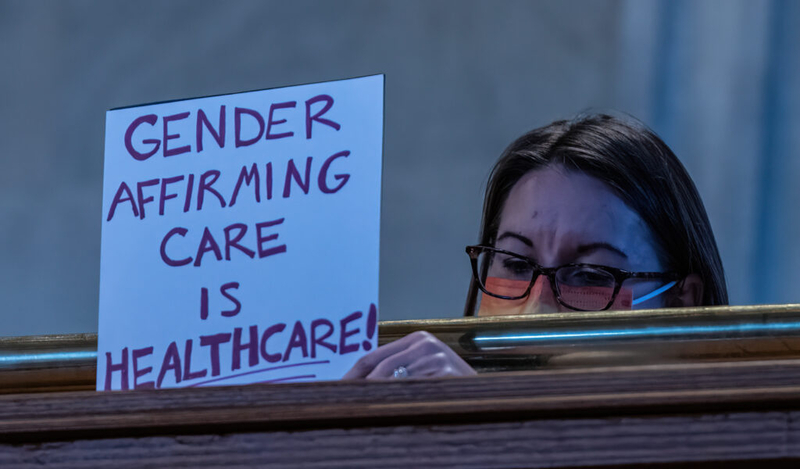
LGBTQ+ groups are criticizing a new law limiting how doctors can speak to minors. (Photo: John Partipilo/Tennessee Lookout)
(Photo: John Partipilo/Tennessee Lookout)
LGBTQ+ advocacy groups are criticizing a new law prohibiting doctors from asking minor patients questions about gender, saying it could be disastrous for transgender children.
Republican lawmakers passed House Bill 1665, with no support from Democrats, in March despite complaints that it is an “unnecessary” attack on the LGBTQ+ community.
A report by the Tennessee Equality Project and Human Rights Campaign calls the law “medical censorship” that could cause “costly litigation.”
“Everyone should be alarmed by the scale of government control over doctors’ and patients’ speech under this law. Asking minors objective questions about gender identity is necessary to access developmentally appropriate and life saving health prevention services. Our report clearly outlines the ways laws that intimidate doctors through medical censorship will lead to more mental distress and even worse health outcomes for transgender, gender diverse and intersex minors,” said Bean Chapman, legislative analyst for Equality Project. “This shameful law will have dire consequences for minors rejected by their families and those whose only access to mental health is with their doctor.”
To try and put more barriers for doctors to be able to have intentional, meaningful conversations with children who may be experiencing gender dysphoria is wrong.
The measure, which was signed into law in mid-April by Gov. Bill Lee, is designed to make sure parents are informed before physicians ask their children “sensitive” gender questions and to prevent insurance companies and managed care organizations from putting such questions on medical questionnaires, according to the sponsor, Republican Rep. Aron Maberry of Clarksville. Republican Sen. Paul Rose of Covington sponsored the Senate version. The law takes effect Oct. 1.
In House debate on the measure, Democratic Rep. Justin Pearson of Memphis raised the point that gender dysphoria exists and that lawmakers should stop targeting the LGBTQ+ community with “homophobic” bills.
“To try and put more barriers for doctors to be able to have intentional, meaningful conversations with children who may be experiencing gender dysphoria is wrong,” Pearson said.
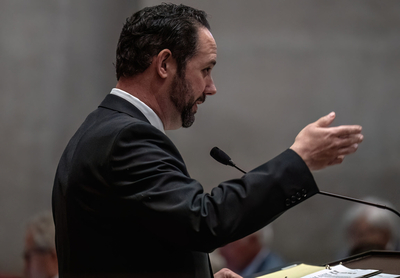
Maberry countered, saying the bill stemmed from a complaint by his daughter that her primary care physician asked her if she was comfortable with her gender. After asking the primary care facility about the matter, Maberry said he found out that such questions are being required by insurance companies through a questionnaire.
“I think it is troubling that we have any type of mandates from insurance companies or questions from a doctor to a patient that they don’t bring up the subject in the first place at all,” Maberry said.
He said the bill allows the physician to talk about gender issues if the child brings them up.
A release by the Tennessee Equality Project and Human Rights Campaign says no empirical evidence exists supporting the state government’s claim that asking minors a “yes/no” question about gender identity is “coercive or causative.” On the contrary, most parents of transgender and cisgender minors consider such questions important, the release says.
The report by the two groups made several findings:
- For 44% of trans youth who haven’t told parents about their gender identity, a doctor could be the only person they can talk to about sexuality, gender identity and mental health.
- Pediatricians are trained to use government-backed recommendations for LGBTQ minors, yet 86% of them want more training.
- The Tennessee Department of Health gives high priority to youth suicide prevention, yet the state ranks poorly for mental health measures, and nationally only 13% of mental health facilities and 18% of addiction recovery facilities have programs targeted for LGBTQ patients.
- Current Tennessee laws allow physicians to screen LGBTQ children for high-risk behavior such as mental health problems and substance abuse, HIV and sexually transmitted diseases. But those screenings could be prevented under the new law.

Nashville, TN