EGLE examines ways to improve battery recycling as disposal barriers persist
May 09, 2026 | 11:00 am ET
Description
Photo by Jon King/Michigan Advance
The Michigan Department of Environment, Great Lakes and Energy released a new analysis examining how individuals dispose of used batteries, finding more efforts are needed to ensure proper disposal.
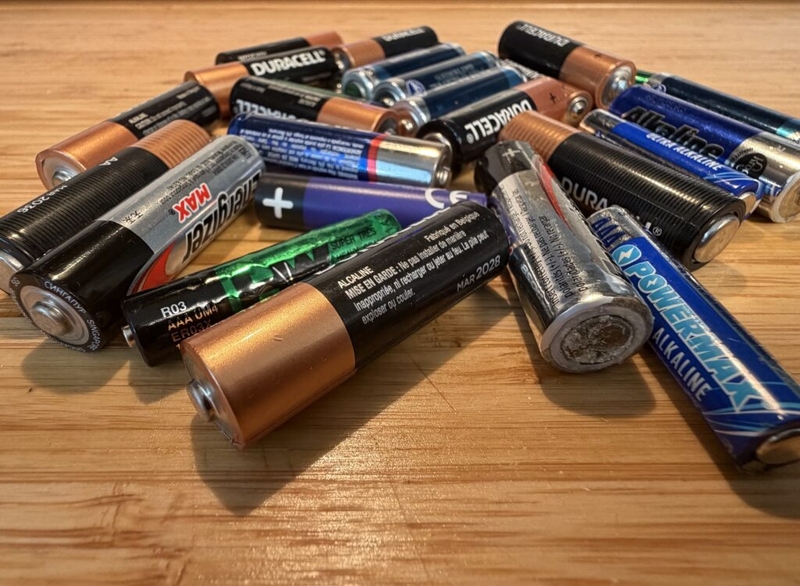
The analysis, performed by Resource Recycling Systems, found that Michigan residents were generally confused on how to get rid of spent batteries, with many tossing them in their trash cans and recycling bins, with more than 10,000 tons of batteries ending up in Michigan landfills each year.
While some batteries are safe to include in your trash, most are not due to the chemicals they contain, with EGLE stressing that recycling is always the best option. Additionally, EGLE advises against placing rechargeable and lithium-ion batteries in curbside trash or recycling, as these power sources can hold enough charge to spark and cause a fire during collections or processing.
However, the barriers for proper disposal are numerous, with the analysis pointing to inconsistent information from local governments about battery disposal, limited access to drop off site and retail recycling programs, unstable funding for recycling efforts and a lack of policies on producer responsibility as among the hurdles preventing more individuals from properly disposing of their batteries.
In order to address these concerns, the report also identifies several steps for addressing these shortfalls including:
- Establishing an advisory group to guide policy and program development.
- Assessing and expanding existing recovery infrastructure.
- Exploring extended producer responsibility legislation for sustainable funding.
- Improving access to recycling drop-off locations.
- Coordinating statewide education and outreach.
- Expanding capacity for battery recovery and processing.
According to the department, EGLE is working to develop a comprehensive strategy to improve battery collection, recycling and reuse using the results from the analysis and input from industry stakeholders, local governments, and community organizations.
“Batteries – both consumer and electric vehicle batteries – are a unique opportunity for Michigan based on our strong roots in industry and the investments we’ve made toward a circular economy,” Julie Staveland, assistant director of EGLE’s Materials Management Division said in a statement. “We are well positioned to implement best practices for proper battery management to mitigate safety and environmental risks while reaping the benefits of jobs across the battery recovery and recycling value chain. We are taking action to ensure that we keep our residents safe, capture valuable materials, and build a stronger local economy.”
As part of that effort, EGLE said it would be launching a battery solutions accelerator through its NextCycle Michigan initiative later this year to help address challenges with battery disposal.
EGLE also offers a link on their website for residents to find the nearest battery recycling location.
Lansing, MI