WV House budget says no to governor’s tax cut, yes to Hope Scholarship, flood prevention
Feb 25, 2026 | 5:32 pm ET
Description
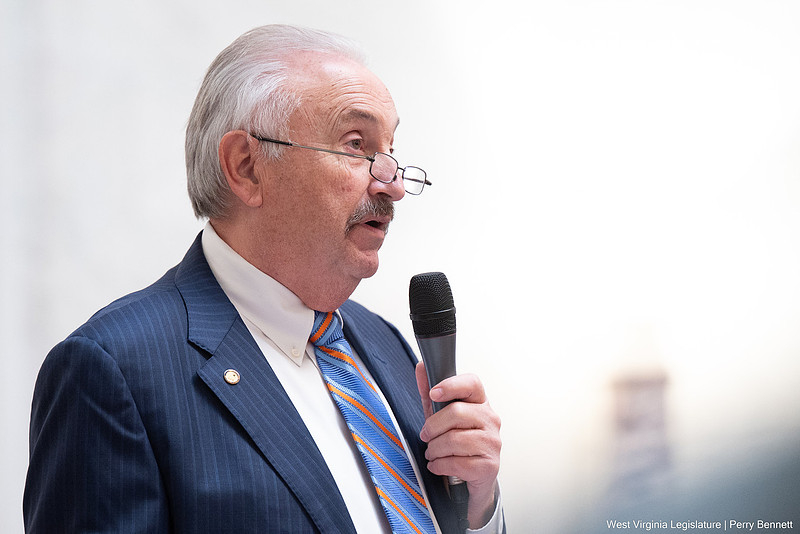
House Finance Chairman Vernon Criss, R-Wood, speaks about proposed amendments to the Senate’s budget bill on Feb. 25, 2026. (Photo by Perry Bennett/West Virginia Legislative Photography)
After more than two hours of debate, the House of Delegates passed its budget bill on Wednesday afternoon, notably leaving out Gov. Patrick Morrisey’s requested personal income tax cut.
The budget bill debate showcased little to no love between House Finance Chairman Vernon Criss, R-Wood, and the Republican governor.
“We’ve never had a conversation with the governor. He has never darkened the door of the vice chairman or myself other than coming to sit on the bench to listen to Hope Scholarship,” Criss said on the House floor, referring to earlier this week when Morrisey surprisingly appeared in the House Finance Committee when he thought members were going to discuss possible changes to the state’s education voucher program.
Last week, Morrisey posted on his X social media account, “Tax cuts and school choice used to be page one of the Republican platform — guess House Finance Chair Vernon Criss hasn’t gotten that far.”
The Senate passed their budget last week, which differed from the governor’s budget proposal, but included Morrisey’s requested 10% personal income tax cut. The reduction to the personal income tax is expected to cost $250 million.
The House Finance Committee took the Senate’s budget bill, Senate Bill 250, and amended it with their own proposed changes, including axing the tax cut idea.

During bill debate, Del. Kayla Young, D-Kanawha, asked Criss how he’d describe this year’s budget.
His response: “Responsible.”
Young replied, “I would say so, too.”
The House’s budget with amendments passed with a vote of 83-14; Republican members were the no votes. The proposed budget includes a 3% pay raise for state employees, funding Medicaid with revenue dollars — instead of surplus dollars as the governor proposed — and $211 million in funding for the Hope Scholarship. It also, for the first time, would put money into the state’s flood prevention fund.
The House’s proposed $5.46 billion budget is $30 million less than the governor’s proposed spending for Fiscal Year 2027.
“After we’ve done our due diligence on the governor’s budget, his budget was actually unconstitutional because he actually spent more money than he had revenue for,” Criss said.
The House could still approve a tax cut since they’ll take up a bill passed by the Senate to implement a 10% personal income tax cut.
West Virginia has a trigger system in place to accelerate tax cuts, and that formula didn’t trigger a tax cut this year because the state didn’t meet the revenue goal in this past fiscal year.
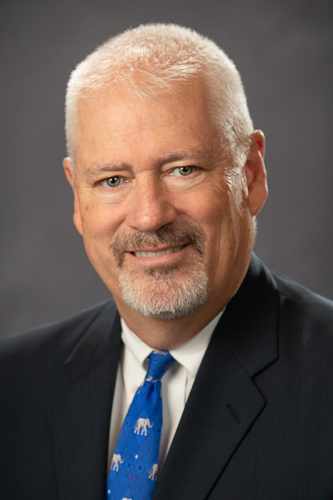
“We’ve offered considerable tax relief over time. I believe that the governor’s revenue estimate this year does, in fact, account for a 5% tax increase, and I’m hopeful that we’ll be able to offer some continued relief and put more money back in West Virginia’s pockets so that West Virginians can make their own determinations what are best for them,” said Del. Marty Gearheart, R-Mercer.
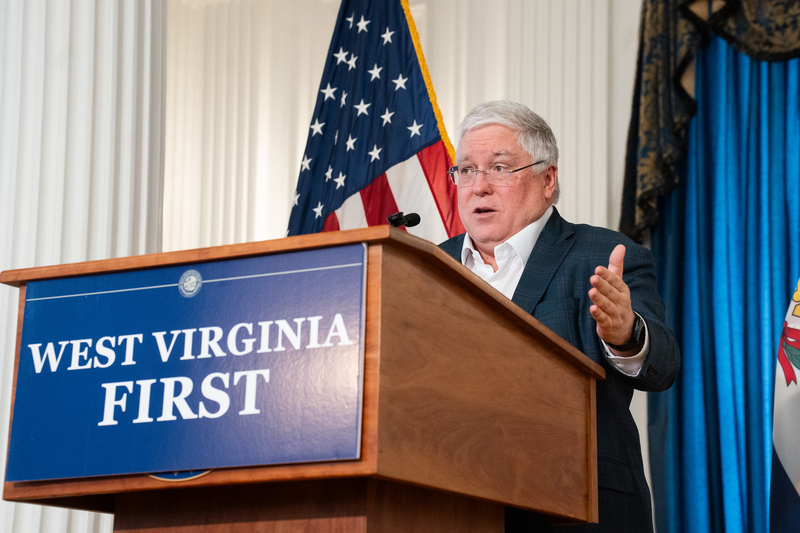
On Tuesday, Morrisey held a press conference at the state Capitol, calling on the Legislature — specifically House members — to pass his 10% tax cut.
“I really believe that we need to have an across the board income tax cut, and I’ve said that because I’m very worried about the affordability challenges that we’re facing, and I also know that we have to stay more competitive with other states that we touch,” the governor said.
Hope Scholarship funding included, public school aid formula adjustments to be determined
While the House Finance Committee has considered new restrictions on the broad Hope Scholarship voucher program to reduce the overall price tag, the budget passed Tuesday would fully fund the program for the coming year.
The Hope Scholarship, which gives students roughly $5,200 to use for private school tuition, homeschooling and more, opens up to all West Virginia students for the first time next school year. There is some uncertainty about how many students will use the program, so the Legislature is prefunding the program to accommodate a possible big increase in the number of students using it.
Criss said that between state funds, surplus funds and leftover money in the Hope Scholarship program, it would be a total appropriation to around $230 million, which is what the governor requested.
The House Finance Committee is expected to take up its bill to make potential changes to the Hope Scholarship this week.
The budget at this time doesn’t include any adjustments to the school aid formula — about $214 million in funding, according to a House bill that’s moving — that could help counties struggling with student population loss and school closures. There wasn’t any additional funding to help schools serving the state’s growing number of special education students.
House adds flood prevention money, says no to more child care funding
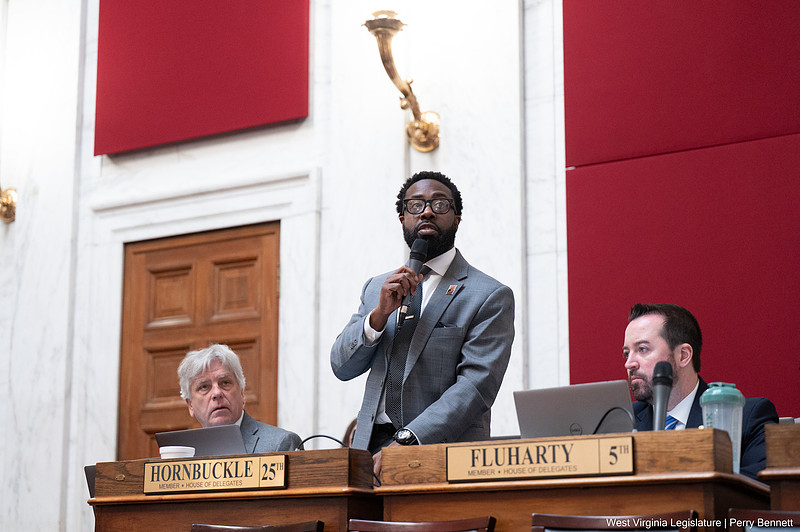
House members approved several amendments to the budget bill, including a Democrat-sponsored amendment that would put $25 million toward flood relief.
The money would be put in the West Virginia Flood Resiliency Office Trust Fund — a fund created by the Legislature in 2023 but never funded.
“The people of West Virginia have not had adequate relief,” said House Minority Leader Sean Hornbuckle, D-Cabell, who sponsored the amendment. “We have the power as a body to do something very profound today.”
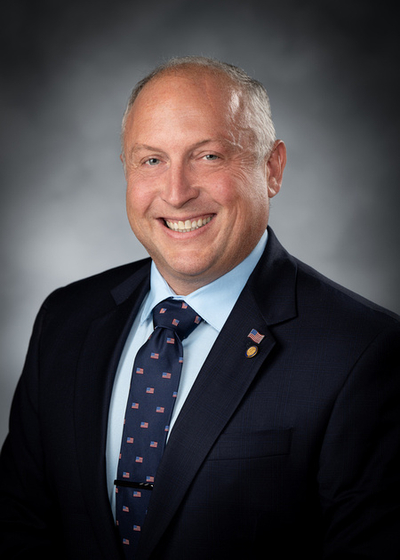
Del. Bill Flanigan, R-Ohio, recalled the devastating flooding in Wheeling last year, when nine people died.
“I woke up this year to a tremendous flood, and we have lost a lot of lives. We lost a lot of damaged property. I’m going to rise in support of this amendment. Just anything we can do to help prevent this, if we’ve got to put more money into it, I think we’ve got to do it,” Flanigan said.
House members also approved an amendment from Del. Michael Hite, R-Berkeley, that said any money given to the Department of Human Services cannot be used in any other line item than what it is designated for, including money for services with people with disabilities. The Department of Human Services previously spent money earmarked for people with intellectual and developmental disabilities on things like COVID tests and contract nurses’ salaries.
The House had included this language in their budget bill last year, but Morrisey vetoed it.
The GOP-super majority in the House rejected some amendments put forth by Democratic members, including an amendment that would have increased money for child care by $5.2 million.
The money would have gone to creating scholarships for 800 child care workers to use for their own child care, according to amendment sponsor Young. There’s a separate bill with bipartisan support that would establish the scholarship program.
More than 26,000 children currently lack access to child care because providers don’t have enough available slots, according to state estimates.
Young said her amendment would have created 10,000 new child care slots by helping workers afford child care.
“It’s not a demand problem, it’s a staffing problem,” she said, adding, “ … when parents can’t find child care, they can’t go to work.”
The budget includes $5 million in additional funding to child care for the state’s tri-share program, operated by Wonderschool, which divides the cost of child care among the employer, the employee and the state. It is currently operating in eight counties.
Human Services could use millions of dollars in its own funds on other child care initiatives if they choose to, said Del. Matt Rohrbach, R-Cabell, who spoke against Young’s amendment.
The bill now goes to the Senate to consider the House’s changes.
Charleston, WV