WV legislators told implementing student physical fitness test should be a priority for session
Dec 09, 2025 | 1:14 pm ET

Description
President Donald Trump is bringing the Presidential Fitness Test back to schools. (Getty Images)
Lawmakers should reimplement the Presidential Fitness Test for students as a part of West Virginia’s application for funding through the federal Rural Health Transformation Program, legislators were told Tuesday.
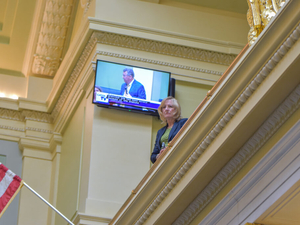
Curtis Capehart, director of policy for Gov. Patrick Morrisey, gave an update on the program to the Legislative Oversight Commission on Health and Human Resources Accountability.
The state submitted its application to the Centers for Medicare and Medicaid for the program in November. West Virginia is eligible for more that $100 million per year over five years from the program, which aims to “transform the existing rural health care infrastructure and build sustainable health care systems that expand access, enhance quality of care, and improve outcomes for patients,” according to CMS.
The federal government has said it would announce award funding for the program by Dec. 31.
During the meeting, LOCHHRA chairman Del. Evan Worrell, R-Cabell, asked Capehart what priorities lawmakers should focus on during the 2026 legislative session for the application.
“The one that immediately springs to mind is the Presidential Fitness Test,” Capehart said. “We would be asking to have that put into code so that that would come back.’
He added that there are no commitments relating to scope of practice and certificate of need in the state’s application.
President Donald Trump issued an executive order July 31 reestablishing the Presidential Fitness Test and the President’s Council on Sports, Fitness and Nutrition.
“As the United States prepares to celebrate its semiquincentennial anniversary in 2026, we must address the threat to the vitality and longevity of our country that is posed by America’s declining health and physical fitness,” the order says. “For far too long, the physical and mental health of the American people has been neglected. Rates of obesity, chronic disease, inactivity and poor nutrition are at crisis levels, particularly among our children. These trends weaken our economy, military readiness, academic performance and national morale.”
The school physical fitness exam was first established by President Dwight D. Eisenhower and was phased out during President Barack Obama’s administration. The components of the physical fitness test have changed over the years and include running, situps, pushups and stretching.
Critics of the test say it caused embarrassment and shame for students.
Trump’s executive order does not say what metrics should be included on his version of the fitness test.
The Rural Health Transformation program is a part of the One Big Beautiful Bill Act, which Trump signed into law July 4. The bill makes historic cuts to Medicaid. Health care officials say the Rural Health Transformation Program will not make up for the approximately $1 billion per year that state hospitals are expected to lose once the legislation has been fully implemented.
The state has not yet released or published the application. Capehart said the application’s project narrative and supporting appendix documents would be made available online later this week.
According to a summary of the application, the state’s plan includes seven focus areas that include: building infrastructure to bring virtual and in-person care access to people on-demand; transporting residents to care when needed; recruiting, training and retaining health care workers in the state; supporting tech-enabled innovation and regulatory relief.
“West Virginia’s approach was deliberately structured for sustainability and will deliver on affordability and access,” Capehart told lawmakers Tuesday. “We’re confident that this plan will not end at the completion of the five-year grant cycle. It seeks to build a permanent infrastructure and programs that will strengthen health care in our state.”
The state will confront the health barriers that keep residents out of the workforce, he said.
“Poor health is the single largest driver of low labor force participation and better health outcomes must be our primary focus moving forward,” Capehart said. “By moving toward investment in prevention as well, the state can restore more of our working-age population to health productivity, increasing fortunes of the entire state and all of our rural communities.”
Capehart said officials expect to hear how much funding the state will get on Dec. 31. Part of the funding is expected in the first few weeks of January 2026. Lawmakers would then appropriate the funding through legislation, Capehart said.
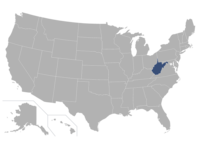
Charleston, WV