Data center pulls out of Great Falls, group says, others charge ahead
Nov 17, 2025 | 9:04 pm ET
Description
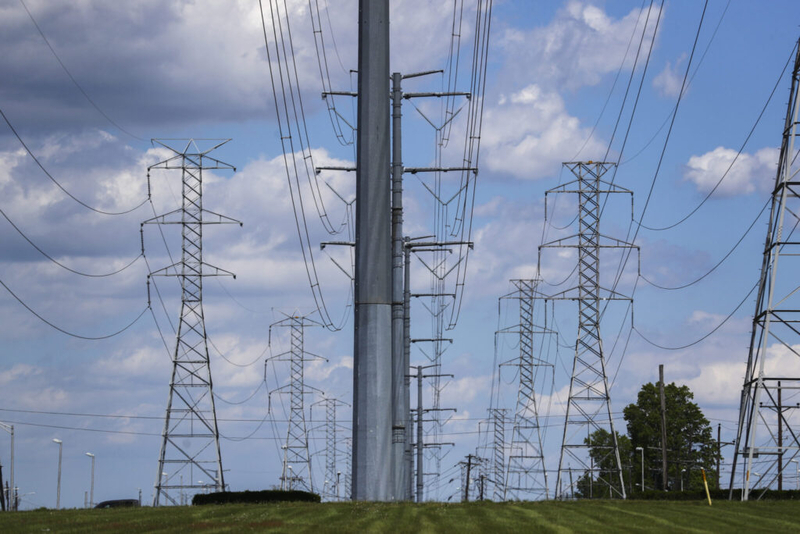
Data center supporters see them as a tool for economic development, but detractors fear they’ll increase bills for residential power customers. (Dana DiFilippo/New Jersey Monitor)
News that TAC Data Centers released its option to lease land in Great Falls drew some support from conservation advocates, but progress on other data centers in the state elicited recent praise as well — for different reasons.
Data center projects are popping up in Montana. Supporters see them as a tool for economic development, but detractors fear they’ll increase bills for residential power customers and will be a drain on water resources.
In an announcement on Friday, Upper Missouri Waterkeeper said TAC Data Centers had pulled out of its option to lease 569 acres in Great Falls, citing the Great Falls Development Alliance.
In a statement, Guy Alsentzer, executive director of the Upper Missouri Waterkeeper, said many of Montana’s river basins are already facing shortages and can’t afford water demands from data centers.
“Montana’s future depends on protecting our water from being drained for external markets,” Alsentzer said in the announcement.
TAC Data Centers could not be reached Monday by phone.
However, representatives with a couple of other data center projects in Montana gave updates during the most recent legislative Energy and Technology Interim Committee meeting, specifically about water use, and one project was met with enthusiasm by at least one legislator.
Beowulf Electricity and Data has the Big Horn Data Hub expansion planned in Hardin, and Sabey Data Centers has a proposed project in Butte.
The Beowulf website and its representative describe the Big Horn Data Hub as adjacent to and supplied by the Hardin Generating Station coal plant and operating for bitcoin mining since 2020, although not currently running. It intends to expand.
The Beowulf representative said the company is awaiting information about how the Public Service Commission will handle data center rates with NorthWestern Energy.
He also told legislators the data center is not currently running because some equipment is being decommissioned.
Sabey has an option to buy land for a controversial data center in a business park in Butte, and it has until Feb. 11 to close the deal, although local commissioners would still need to approve it, according to reporting from the Montana Standard and Nonstop Local.
Data centers can use a substantial amount of water for cooling, but at the meeting, company representatives discussed their use of “closed loop” systems — which one said require a one-time fill but then only minimal water.
In a phone call Monday, Sen. Gayle Lammers, R-Hardin, said the Beowulf data operation planned for Big Horn County holds economic development potential for the area.
“It’s just neat to see some hustle and bustle in little Hardin get going,” Lammers said.
Lammers said Big Horn County is among the poorest in Montana, and the data center will have direct benefits with tax revenue and jobs.
But he also said he hopes it will create a ripple effect and spark interest in other industrial lots.
He said it’s important to see economic development in rural communities, and data centers bring the need for materials and places to eat, among other things.
“I just think it could be a real boon to the economy as long as it’s done right,” Lammers said.
At the meeting, in response to a question from Rep. Bob Carter, D-Missoula, Rob Corbin of Sabey said operations typically bring several thousand employees during the construction phase and 400 or 500 people later.
Corbin said other lease holders in the building typically can bring an additional 60% to 80% more employees as well.
The data centers are also controversial because details about them, including deals for energy supply, have not been available to the public.
NorthWestern Energy has announced plans to provide electricity for data centers, but it has not provided information about them, including letters of interest, requested by the Public Service Commission.
The Public Service Commission regulates monopoly utilities in Montana.
NorthWestern has argued it should be able to provide the information under a protective order — viewable to commissioners but not the public — because some of the data is proprietary.
In a recent filing with the Public Service Commission, NorthWestern also said it won’t serve data center customers before “a specific contract for electric service” with that customer is approved by the commission.
In another filing, Sabey also argues it should be able to keep its letter of intent protected in part because it contains “trade secrets” and it would hurt its ability to compete.
But in letters to the Public Service Commission, a group of energy watchdogs have alleged NorthWestern Energy is moving forward with electricity contracts for data centers in violation of the law — a charge NorthWestern disputes.
The Public Service Commission plans to schedule an information meeting on data centers in December or early 2026, a spokesperson said Monday; it does not yet have a timeframe to discuss the way charges for data centers should be structured.
Helena, MT