Pay raises for nursing home workers passes Minnesota House with bipartisan support
May 06, 2025 | 8:53 pm ET
Description
Getty images.
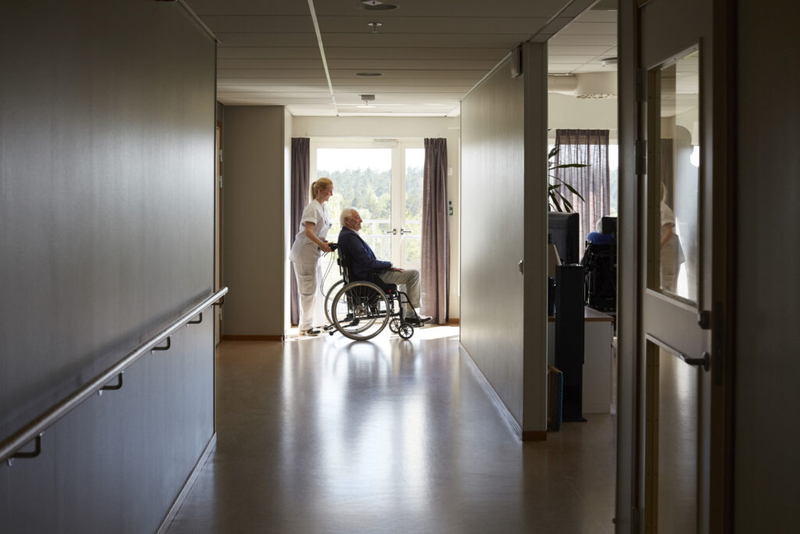
Thousands of nursing home workers across Minnesota would see a significant pay increase on Jan. 1 under a bill that easily passed the state House 109-25 on Monday. The measure still needs Senate approval and the signature of Gov. Tim Walz.
The House human services budget bill includes funding for nursing homes to pay for increased minimum wage rates set by the state’s Nursing Home Workforce Standards Board last year.
Beginning in 2026, certified nursing assistants would earn at least $22.50 an hour, trained medication aides at least $24.50 an hour and licensed practical nurses at least $27 an hour, under the bill. All other nursing home workers would earn at least $19 an hour. The minimum wages would increase $1.50 per hour across job titles on Jan. 1, 2027.
Funding for the minimum rates, if agreed to by the governor and Senate, would raise pay $2 an hour on average for workers earning less than the minimum, according to a fiscal analysis by the Department of Human Services. Labor advocates say the raises will help increase retention and reward workers for caring for the state’s sick and elderly.
Democrats created the labor standards board in 2023 and gave it broad authority to regulate working conditions in nursing homes, including minimum pay. Pay raises are contingent on funding from the Legislature, however, which made Monday’s vote a critical hurdle to pass.
“It’s a big win for workers, and we appreciate that the bill passed with bipartisan support,” said Jamie Gulley, a worker representative on the Nursing Home Workforce Standards Board and president of the union SEIU Healthcare Minnesota & Iowa.
Gulley, whose union represents nursing home workers and advocated for the board’s creation, said the board is critical to ensuring workers are fairly compensated for the work that is largely funded by taxpayers through Medicaid. He noted reimbursement rates for nursing homes have doubled in the past decade while wages for workers have not.
Walz and the Democratic-controlled Senate have also proposed additional funding to pay for the raises, which are estimated to cost the state between $9 million and $15 million.
Nursing home industry groups similarly welcomed the vote by the House, while voicing their ongoing opposition to the existence of the labor board.
“Minnesota is the only state in the nation with such a board, and without adequate funding, its mandates would have pushed many providers to the brink,” Toby Pearson, CEO of Care Providers of Minnesota, said in a statement on behalf of the nursing home industry group Long Term Care Imperative.
The Nursing Home Workforce Standards Board comprises equal numbers of workers, nursing home representatives and state officials. All three industry officials abstained from voting on the pay raises last year.
They also abstained from voting on a rule guaranteeing workers 11 paid holidays, which nursing home industry groups are challenging in court. They say the rule interferes with collective bargaining with unions and could be financially ruinous to some nursing homes.
During the floor debate on Monday, House Republicans introduced amendments to make the labor standards board more favorable to nursing home leaders and limit its power but failed to win any Democratic support. The efforts failed 67-67.
Twenty-four Republicans and one Democrat — Rep. Kim Hicks, DFL-Rochester — ultimately voted against the human services budget bill, which includes significant cuts as state lawmakers stare down a forecasted deficit in future years.

Saint Paul, MN