Amid tense debate, Legislature approves plan to keep coal plant open
Feb 29, 2024 | 2:02 pm ET
Description
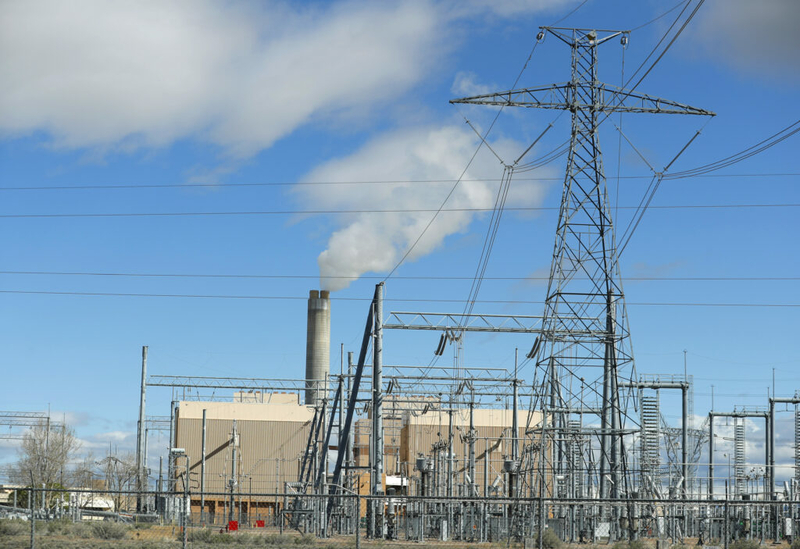
Power lines lead into the coal-fired Intermountain Power Plant on March 28, 2016 outside Delta, Utah. The IPP generates more then 13 million megawatt hours of coal-fired energy each year to Utah and Southern California. (Photo by George Frey/Getty Images)
The Utah Legislature has approved a bill meant to preserve the Intermountain Power Project, a coal-fired generator near Delta.
As the Los Angeles Department of Water and Power, which operates the plant, decided to step away from coal to replace it with natural gas, Utah has been trying to formulate a plan to keep those generators running past their 2025 retirement date by creating the option to take it over.
SB161, Energy Security Amendments, does that. Sponsored by Sen Derrin Owens, R-Fountain Green, the bill creates a “Decommissioned Asset Disposition Authority” and would require the Intermountain Power Authority — owned by 23 Utah municipalities — to allow the state to buy the facility at a fair market price beginning July 2025. The option to purchase would remain open for the state for at least two years, the bill reads.
“To achieve energy security, colleagues, we must protect Utah’s energy resources, our independence and our infrastructure,” Rep. Carl Albrecht, R-Richfield, the bill’s House sponsor, said. “That means that while we transition towards new technologies and energy sources, we need to keep our energy supply and our industry secure.”
The House voted 47-25 to approve the bill and 18 Senators voted to agree with the changes in the final decision. The bill now goes to Gov. Spencer Cox for consideration.
The legislation underwent many changes throughout its approval process. But, with just days left in the session, lawmakers introduced a last-minute update in the House on Wednesday afternoon despite reluctance from some who asked for more time to review the update.
The bill requires project entities to provide the Public Service Commission a notice before decommissioning an electrical generation facility. The state must also contract with emissions modeling experts, air quality assessments and regulatory compliance to apply for air quality permits.
The goal, Albrecht said, is to provide a path for the state to acquire the plant while a transition to new generators happen and to later sell it as the Utah grid loses energy.
“Now they want to close that plant because of California’s energy policy and you take 1,900 megawatts down to 800 megawatts for the new facility they’re building,” he said. “That’s 1,000 megawatts net decrease into our grid.”
The Senate had voted for changes introduced by Sen. Todd Weiler, R-Woods Cross, that would codify a commitment to not negatively impact the IPP Renewed Project, a plan that would retire coal-fueled units to replace them with natural gas generators.
Weiler’s update also included representation from the Intermountain Power Agency in the Decommissioned Asset Disposition Authority. It also protected the IPA from paying the costs of studies and permits, which would eventually be carried by ratepayers.
“Costs such as those should be borne by those who are requiring it and not by the potential purchaser of IPA or the ratepayers, which are my constituents in Bountiful,” Weiler said to the Senate.
But ultimately the House removed those changes and approved the initial proposal that would grant the state more control during the acquisition of the plant.
Rep. Ray Ward, R-Bountiful, remained skeptical while debating the last-minute change introduced by Majority Assistant Whip Casey Snider, R-Paradise, asking for more time to review the updated bill. But, the House approved the bill a few minutes after that plea. Ward was even more concerned about the potential consequences of the bill as it was written.
The plan is currently out of compliance with Environmental Protection Agency standards, Ward said, and it has been granted exemptions because it’s transitioning out of coal.
“Some of the things that the state could do in the name of not decommissioning the plant could, in fact, affect the ongoing construction of the plant (which is set to switch to natural gas) by means of causing the plant to do things which they have agreed right now with the EPA to not do,” Ward said.
Any plans to keep the plant open will cost money to be in compliance with the standards, he said.
Though the approved version of the bill reduced its fiscal note by half, Ward warned it’s because the cost to complete a study the Legislature commissioned in 2023 to evaluate the plant’s environmental regulations, capacity and economic opportunities would be absorbed by the 23 Utah municipalities that are members of the Intermountain Power Agency.
Additionally, Ward said, California, which buys the power generated by the plant, is no longer willing to purchase energy from a coal plant. The plant lines also mostly run to California, so Utah would have to invest in lines to transmit the energy to other areas.
However, Albrecht argued, Utah’s grid is struggling because of the closure of many gas and coal plants. The bill, he said, would provide a path to go through a transition process so Utah can keep up with its growing demand.
“I would ask that we not go down in that direction with brownouts and blackouts as some of our folks in Colorado or Texas and California have done,” he said.
House Minority Leader Angela Romero D-Salt Lake City said in a statement Thursday that the bill demonstrates the “Legislature’s support for the declining coal industry.” She stated that maintaining the plant would require a significant investment from the state and criticized the fact that the Utah municipalities that own the plant were left out of the debate.
“The state of Utah needs to start investing in cleaner energy sources that would better serve Utahns,” the statement reads. “By prioritizing coal preservation over fiscal responsibility and environmental sustainability, this bill overlooks the opportunity for our state to invest and transition to renewable energy sources for the benefit of current and future generations.”
Salt Lake City, UT