On this day in 1967: Gov. George Romney says he was ‘brainwashed’ on Vietnam War
Oct 17, 2021 | 8:38 pm ET
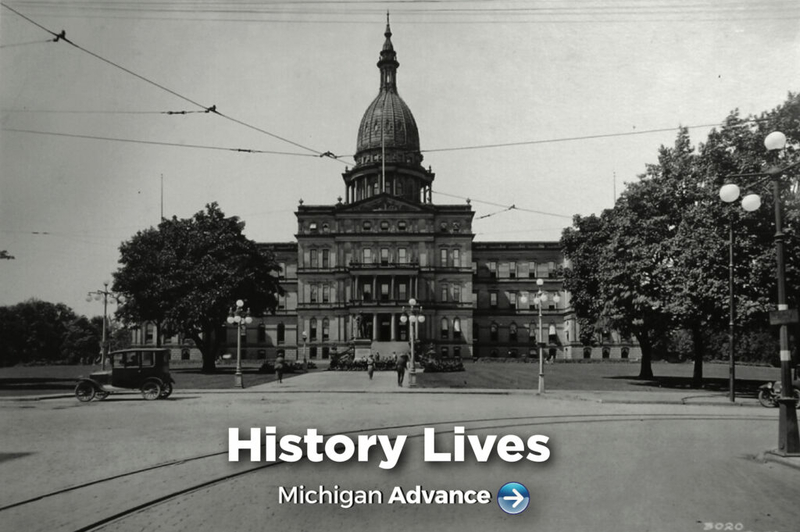
Description
Laina G. Stebbins graphic
On Aug. 31, 1967, Gov. George Romney of Michigan, a leading contender for the 1968 Republican presidential nomination, told Detroit television talk show host Lou Gordon that he had been subject to “brainwashing” by American generals into supporting the Vietnam war effort while touring southeast Asia in 1965.
“When I came back from Vietnam, I just had the greatest brainwashing that anybody can get,” said Romney on The Lou Gordon Program broadcast that would air on Sept. 4, 1967 on WKBD-TV 50 in Detroit.
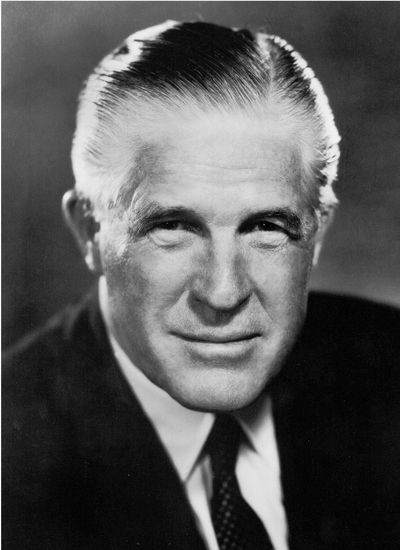
“And since returning from Vietnam, I’ve gone into the history of Vietnam, all the way back into World War II and before. And as a result, I have changed my mind. I no longer believe that it was necessary for us to get involved in South Vietnam to stop communist aggression.”
The idea that a presidential candidate could be brainwashed frightened many voters and did not project strength. The three-term Michigan governor’s candidacy never recovered.
An August 1967 Gallup poll showed him the favorite of 24% of respondents for the 1968 Republican presidential nomination, which was second to front-runner Richard Nixon, the former vice president of the United States.
Conversely, the next survey in September, taken after the “brainwashing” remark, found Romney had only 14%, and had fallen behind two fellow governors Nelson Rockefeller of New York and Ronald Reagan of California.
Romney later served in the Nixon administration as secretary of the Department of Housing and Urban Development. He died in 1995. The Romney Building in downtown Lansing, which houses the governor’s office, bears his name.
One of his sons, Mitt Romney, was the GOP nominee for U.S. president in 2012. He currently represents Utah in the U.S. Senate.
Veteran journalist Jack Lessenberry told the Advance that the consensus opinion of the national media was that Romney was a “nice guy” but not U.S. presidential material.
“He couldn’t come up with a consistent policy on Vietnam,” said Lessenberry.
However, if Romney’s “brainwashing” statement had come after the Tet Offensive of January 1968, a coordinated attack by the North Vietnamese and communist Viet Cong forces against targets in South Vietnam, perhaps he would have had greater political fortune, said Lessenberry. The effort, which began on Jan. 31, played an important role in weakening the American public’s support for the war in Vietnam.
Lessenberry said Romney, in retrospect, was not bitter about the Lou Gordon broadcast. Several years later, he said to Lessenberry about the Vietnam conflict: “Yeah, I had been brainwashed and so had everybody else.”
Lansing, MI