A System of Harm: investigating NH's disability care program
For months, The New Hampshire Bulletin investigated case after case of abuse and neglect in the state’s intellectual and developmental disability care system, which relies on private agencies to provide care to individuals.
What they found exposed systemic failures in oversight and harm prevention, publicly reporting families’ stories of loss and trauma for the first time.


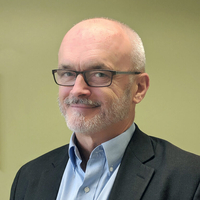


In Episode 33, you’ll hear from reporter William Skipworth from The New Hampshire Bulletin.
Skipworth won the prestigious 2026 Livingston Award for local reporting for the three-part series, A System of Harm.
Previously, as a reporter in Missouri, he wrote about abuse of Missourians with developmental disabilities within the state’s care system.
Finally, Daybreak newsletter author Madyson Fitzgerald shares the top stories she’s watching.
Episode produced and edited by Mallory Cheng. Music for Stories From The States composed by David Singer.
Got questions? An episode idea? Email us at [email protected].
Subscribe to Stories From the States on Apple Podcasts, Spotify and Youtube.
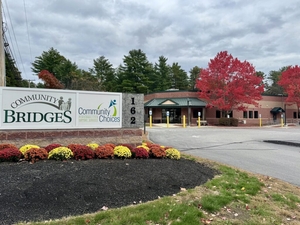
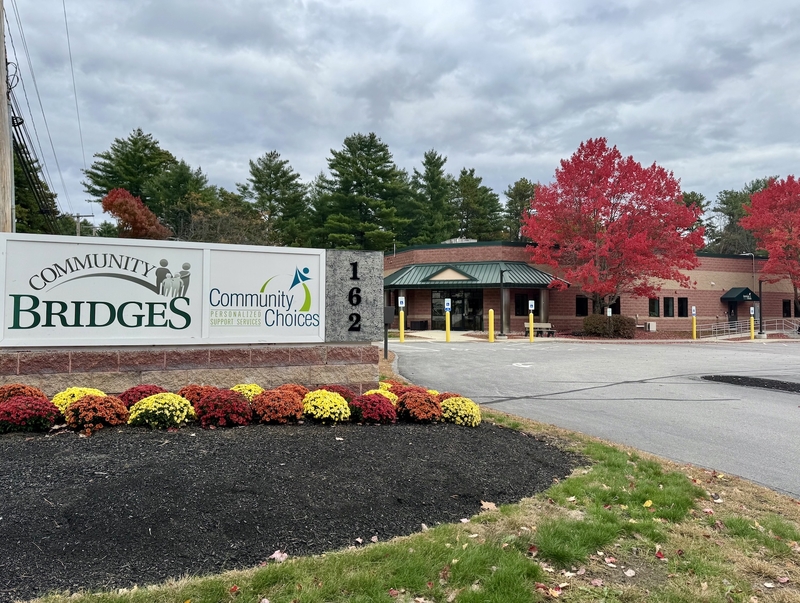
Photo: Community Bridges, based in Concord, is one of 10 nonprofit area agencies in New Hampshire serving people with disabilities. The agencies “operate within the guidelines and regulations established by the Department of Health and Human Services.” (Photo by Allegra Boverman/For the New Hampshire Bulletin)
Stories From The States is a production of States Newsroom, the nation’s largest state-focused nonprofit news organization, with reporting from every capital. At this pivotal moment in American democracy, our veteran journalists from all 50 states are reporting the consequences of government decision making. By zooming into one story each week, Stories From the States contextualizes and gives a human voice to what is happening now.
Transcript was created using an automated software.
Chris Fitzsimon 0:03
This is Stories From The States. I'm Chris Fitzsimon. Here at States Newsroom, we know there's a lot going on around the country in every state capital. So, thank you for being here today. We're talking about a recent investigation into New Hampshire's disability care system. Like many states, New Hampshire relies on privat...
Transcript was created using an automated software.
Chris Fitzsimon 0:03
This is Stories From The States. I'm Chris Fitzsimon. Here at States Newsroom, we know there's a lot going on around the country in every state capital. So, thank you for being here today. We're talking about a recent investigation into New Hampshire's disability care system. Like many states, New Hampshire relies on private agencies to provide care to people with intellectual and developmental disabilities, but an investigation by the New Hampshire Bulletin revealed case after case of abuse and neglect in that system. The series, A System of Harm, exposed systemic failures in oversight and harm prevention, and publicly reported family stories of loss and trauma, for the first time.
William Skipworth 0:43
The amount of people I heard going through just real tragedies, and those tragedies being quiet, you know. Stevie Weidlich died in December 2022 and I think nobody really knew about it until I reported on it this past November.
Chris Fitzsimon 0:59
Coming up in a moment, we'll chat with reporter William Skipworth, who broke those stories.
Chris Fitzsimon 1:04
The New Hampshire Bulletin spent months looking into the state's intellectual and developmental disability care system. In A System of Harm series, reporter William Skipworth found tragedy after tragedy that exposed patterns of abuse and neglect in New Hampshire's disability system, that is care that is paid for and overseen by the state. Many of those cases were reported for the first time since the publication of his series, state lawmakers are pushing legislation to improve oversight. Joining us now is William Skipworth. He's a reporter at the New Hampshire Bulletin, and he recently won the 2026 Livingston Award for local reporting. The New Hampshire Bulletin is an outlet with States Newsroom. Will, thank you for being with us.
William Skipworth 1:50
Thank you, sir, for having me.
Chris Fitzsimon 1:52
Yeah, well, first of all, congratulations on the award for your amazing work.
William Skipworth 1:55
Thank you, thank you. I'm so honored.
Chris Fitzsimon 1:58
Well, let's jump in. First, how did you end up beginning this process, what? How did you start looking into the New Hampshire Disability Care Program?
William Skipworth 2:06
Yeah, absolutely. So I joined the Bulletin in January 2025 but before that I was a reporter in Missouri, and when I was, I was a young college student in Missouri when I read about a really horrific incident of a man named Carl DeBrodie, who died very tragically, and he had autism and intellectual disability, and he died really tragically at one of these homes in Missouri. So, decided to take a look at the system there, and I found some really, really concerning stuff, you know. I came a couple years after Carl's death, I decided to take a look back at it, and I walked away with two questions. I said, What is the state done to make sure this never happens again? And was Carl the only one? Unfortunately, I found the state kind of did very little, and then Carl DeBrodie was the far from the only one, and I was reporting on the system in Missouri, and then when I came to New Hampshire, I decided might set my sights here and see what the situation was in the Granite State.
Chris Fitzsimon 3:07
Yeah, did you expect to find the same thing? Did you have any preconceived notions?
William Skipworth 3:13
Um, I think a lot of my reporting in Missouri suggested that this wasn't unique to Missouri, that this was kind of a nationwide thing, but I will say when I got to New Hampshire, you know, New Hampshire, I don't know if you're familiar with the deinstitutionalization movement, but across the latter half of the 1900s the America kind of went through transformation, how we care for people with disabilities, we went away from big giant institutions into more community-based care.
Chris Fitzsimon 3:37
Is that the Olmstead decision, largely?
William Skipworth 3:41
Yeah, that had a huge chunk, a huge part of it, so that New Hampshire was kind of a leader in that, and so it, it leaders here felt very good about the system, and so it took me a while to find anything, but after I kept digging, I learned that, yeah, they are having similar problems in the community-based care system.
Chris Fitzsimon 4:02
Yeah. It's a certainly want people who are listening to this to read your, your amazing work, and there's so many stories. It's a, it's a difficult series to read because of the human tragedy that is involved, but it's important that we talk about it. So, I wondered if you could tell us briefly the story of Lucas Houle, who was one of the more compelling and tragic figures that you, that you described his experiences.
William Skipworth 4:25
Yeah, Lucas Houle was a man, he was in his 40s, but his family would say that he had kind of the mental capacity of a child, he had intellectual disabilities, he was living in a care home in Dunbarton, New Hampshire. One day, a whistleblower at that facility took a video, and that video captured his caregivers pinning him to the ground, slapping him, beating him, bending his finger back. You can hear the caregivers talk to one another and tell each other the ways to strike him, and that that won't leave bruising or that won't get caught, just really tragic stuff. And then the whistleblower that took the video, he said that that was happening on a daily basis for months.
Chris Fitzsimon 5:09
When you, when you hear a story like this, what goes through your mind as a reporter, as a journalist trying to understand what's happening?
William Skipworth 5:15
I think first it's a human reaction, you kind of think what it must have been like for this person, what it has been like for the family, but but then when you put on your reporter cap, it's it's what what systems should have been in place to make sure that didn't happen, like what what breakdowns in prevention happened, what breakdowns in oversight happened, and that's where I moved my lens.
Chris Fitzsimon 5:41
It's interesting because we're talking about when you're talking about a disability system, I guess there are a wide range of disabilities that affect people, and they have a wide range of capabilities or deficiencies as a result of that, so it is, it must be a complicated system to administer.
William Skipworth 5:57
Yeah, I would say it's it's one of the most complicated systems I've ever reported on as a reporter, it's so bureaucratic, like you said, you know, people with disabilities have different needs, so a lot of these facilities look a lot different. The state of New Hampshire, and lots of other states, they're they push to have a more community-based setup to that looks more like you and I's home, like kind of a traditional house with the family, but different people have different needs, so every house looks a little different.
Chris Fitzsimon 6:28
Yeah, I may get this wrong, but just from a long time ago, when I was a reporter, and looking into some parts of this, if I remember correctly, that whether it's Olmsted decision or the idea was we want to hold people in the least restrictive system possible, and still provide their needs, and do it in the community, but that sort of means, I guess, by default, if we, if we deinstitutionalize people, we have to have adequate funding and services and training for the community programs. Is that something that is that you found missing, that there's not enough, whether it's oversight or funding or capacity or staffing.
William Skipworth 7:06
Yeah, yeah, I think oversight feels very, very slim. And everywhere I've looked, it's.. I don't think the private agencies that the state hires to do this care, I don't think they know what's going on in a lot of these houses, I don't think the state knows what's going on in a lot of these agencies, I just think this is a system with, with very few checks and balances, and very few enforced measures of how they go in and see what's going on.
Chris Fitzsimon 7:37
One of the things I found most, I mean, there's so many things that are disturbing in your great reporting, but one of them is that some of the people hired then sort of subcontract the care to other people who we have no way to know who they are, whether they're qualified. Tell us about that. I thought that was one of the more shocking findings.
William Skipworth 7:58
Absolutely, yes. So one story in particular really embodies this. Stevie Weidlich was a man, he was from Unity, New Hampshire, but his care agency, PathWays of the River Valley, set him up in a home in Allenstown, New Hampshire, with a live-in caretaker named Douglas Onkundi. That live-in caretaker hired some random unauthorized, untrained substitute to do his job for him while he went and moved to Manchester, New Hampshire one day under the care of the unauthorized untrained substitute Stevie Weidlich his body was found dead in the snow behind the house, real tragedy, and and it's, it's just kind of a shirking his duties and hiring somebody else to do it for him.
Chris Fitzsimon 8:46
What happened? Do we know what happened to Stephen Weidlich? Did he wander outside and the person didn't keep up with him? Or
William Skipworth 8:53
yeah, so he had evidence of hypothermia on his body, so it looked like he passed away from hypothermia, and he had a history of eloping, that's a common problem with people with disabilities. They, they wander away, and, but that's, you know, that's why you need a trained person to work with them, because the people are trained to know, like, oh, a lot of people with disabilities, they, they might wander outside the house, even when it's dangerous and snowy out, or something like that, and, and that appears to be what happened,
Chris Fitzsimon 9:21
Okay, in a case like that, then what happens when someone dies in the, in the, for lack of a better word, in the custody or under the care or supervision of someone hired by the State of New Hampshire? What are the ramifications, or what's the, what's the result of that?
William Skipworth 9:36
Right, so in this case, the Adult Protective Services State Investigative Agency agency open an investigation took him quite a while, but after a while they, they determined that he had committed neglect, and he got put, Douglas Onkundi got put on a list, a registry of caregivers that's sort of blacklisted from working within the system. But the the attorney I've spoke with the Attorney General's office and Allenstown Police Department, as of now, no criminal charges have been filed, no criminal consequences.
Chris Fitzsimon 10:12
How often do we know how often this happens? I know you did. I want to ask you a little bit about the reporting itself, but how, how hard was it? Well, go ahead and ask you now, I guess. How hard is it to find out how often this happens. Is this a unique situation?
William Skipworth 10:24
Yes, so it's really hard to get in a look in the system. The state kind of fought me every step of the way on records requests, on answering my questions. The care agencies that run it did not cooperate. I was able to get records that show through January 2023 through the first six months of 2025 there were 119 deaths. Now that includes all types of deaths, that includes natural cause deaths, more concerning deaths like this, but we also know that in that same time period there were 467 credible complaints of abuse and neglect, that's not just complaints, that's ones that were investigated, and investigators determined this is a credible founded complaint, and so finding information about the system is difficult,
Chris Fitzsimon 11:17
And those, those four, those more than 400 I guess that runs the gamut, abuse and neglect, you mentioned that in your, in your series, from, I guess, sexual abuse, physical abuse, that runs the gamut of possible horrors, really.
William Skipworth 11:30
Yeah, yeah, absolutely. I found instances of rape, I found instances of, you know, people burned by scalding water in the shower.
Chris Fitzsimon 11:39
Gosh, and going back to Stephen Weidlich, he was unusual in that he had sort of aged out of the traditional care, who are he was an adult, is that is there a difference between younger folks and adults in the disability system?
William Skipworth 11:54
Yeah, yeah, so children, you know, they go through special education, they're in the school system, so there's a ton of support for people with disabilities through special education. I know there are advocates that could always want more, but, but there is this support system that watches people, and, and this was something we talked about in the piece, is once you graduate high school or age out as a person with disabilities, you enter what a lot of people call the disability cliff, so this is a real drop off of all these services. You go from the special education system to the adult disability services system, and that can be kind of a jarring transition for people. That's something a lot of families with disabilities worry, and it's where a lot of this breakdown can happen, where they get put in a situation that that isn't helpful for them, and frankly turns abusive.
Chris Fitzsimon 12:50
What was the reaction to your series? I know you continue to do follow-up reporting, I want to ask you about that as well, but when you're, when your series came out, tell us about the reaction.
William Skipworth 12:59
Yeah, the reaction I've been absolutely floored by the response, I think New Hampshire Disability Committee stood up and they demanded the state do better, and we've started to see some, the state take some action, there's a bill that's gone through both chambers of legislature, it's been passed by the House and Senate, and it's on its way to Kelly Ayotte, the governor's desk, that bill would do a number of things, that it would create an oversight commission. It would affect how long it takes to put people on that registry we talked about earlier of abusive caregivers, and the people who the senator who filed it says that it's probably just a first step. They're hoping to come back to it again in later years. The Disability Rights Center of New Hampshire, it's a federally funded watchdog agency. They launched their own investigation a couple months ago, and they should be coming out with a report at the end of that investigation soon, with their recommendations of what needs to happen. The Attorney General has launched a probe and is working with the Department of Health and Human Services, which oversees the system on kind of oversight practices, that sort of stuff, and the governor has gotten a little bit involved, and she's called for change. It's been quite a bit. It's been.. I've been absolutely floored by the response.
Chris Fitzsimon 14:13
Well, that's.. I think that's a tribute to your reporting. I wondered if you, from your reporting, we already talked about, is oversight the most important thing that you, I know you don't have all the solutions, but I wondered that you saw was missing, or are there other holes like our, I guess, oversight would take care of not letting somebody sub, in effect, subcontract, but are there enough resources and facilities available? What would you say are the are the needs that really cry out from your reporting.
William Skipworth 14:44
What I kept hearing over and over again was that New Hampshire has good laws on the books. New Hampshire has a lot of strong protections on the books, but those protections don't have teeth, like the laws. There's kind of no punishment for violating the safety laws, safety regulations, and, and a lot of people describe kind of a one time disregard for them, of like, you know, a laissez faire attitude about following these laws, and so a lot of advocates I know really want them to, to add some teeth to that, to strengthen up and add punishments for what happens when you, when you violate these laws, instead of just kind of a slap on the wrist and say you need to do better next time. No, let's, let's punish people and really mean it.
Chris Fitzsimon 15:30
What surprised you most about this project?
William Skipworth 15:33
Gosh, I think I take a bit the scale, you know, like the amount of people I, I heard going through just real tragedies, and those tragedies being quiet, you know. Stevie Weidlich, like died in December 2022 and, and I think nobody really knew about it until I reported on it this past November, and like for that family to go through a real tragedy and it be largely ignored was shocking to me, and Lucas Houle was a similar situation, you know. I was shocked that did nobody had heard about this kind of grisly assault that happened.
Chris Fitzsimon 16:13
I'm sure you talk to the families of these folks. I wonder, how did they feel about telling their story? Were they reluctant at first? Were they, did they want to get the information out that you're reporting, they want their voices heard,
William Skipworth 16:25
You know. I think it was a mix. I think there was a lot of different - every family kind of had a different reaction, you know. I think I hear a lot is that families are afraid of retribution because these care agencies, they control so much of the services they get, and rightly or wrongly, they're afraid that if they talk to media, that the care agencies are going to say are going to roll back the services they're giving to their children, but I think some of them, it was, it was anger, they wanted to speak out because they were upset about what happened to their family, and they wanted someone to listen, they wanted someone to pay attention to this horrible thing that had happened that their family had experienced.
Chris Fitzsimon 17:06
What's next in your reporting on this?
William Skipworth 17:10
You know, it's I want to get even more deeper into the granularity of, like, where this, these breakdowns are occurring, and that's that's a tall task, but I want to, you know, we reported on the breakdowns, we reported they happened, but this is such an intricate, complex bureaucratic system. I'd really like to kind of get into nitty gritty of what's going on, and, and we've done a bit of that, and follow up, you know, a lot of people are, a lot of my sources, people who work in the system tell me there aren't enough investigators for abuse and neglect, so these investigations take forever, and just kind of a lot of breakdowns like that. I'd really get into more deeper granularity.
Chris Fitzsimon 17:51
You mentioned this earlier, how difficult was it to get records, and was that frustrating? I don't think people that don't aren't in journalism sometimes don't understand some, the links that reporters have to go to to actually uncover what should be public information.
William Skipworth 18:06
Yeah, yeah, it was, it was extremely challenging. It's very frustrating. So, in every state they have open records laws, and in New Hampshire, all this, this is governmental records that are public records. And so I, and yet in the beginning, when I first filed requests for documents, they rejected all of my records.
Chris Fitzsimon 18:27
All of them?
William Skipworth 18:28
Yeah, 100% they said no, you can't have anything. And so that launched kind of a little tit for tat between me and the state's attorneys, and we argued over the course of months, it got so much that we went in front of this New Hampshire's official right to know ombudsman and kind of debated this, and I'm proud to say that at the end of it we got about 80% of what we originally requested, and that was enough to really tell the story, and and get the documentation, the evidence, and proof of what was going on.
Chris Fitzsimon 19:02
Well, I ask you, what surprised you? What will stick with you from this reporting?
William Skipworth 19:08
I think you know when you sit in the living room of a father here talking about his son, Stevie Weidlich, who died way too young. It's, it's hard not to feel that, and I think, just, you know, this is a, this is a man who, like, you can just, so, tell how much he loves his son, how much he misses his son, and it's hard not to kind of feel how difficult it is to, to deal with that, and, and it's something I, I can't even imagine going through, and that I think that experience, and so many other experiences I learned, those will stick with me.
Chris Fitzsimon 19:49
Well, thank you for doing this. Hopefully, your reporting will mean fewer families have to go through that, and we really appreciate you being with us. Congratulations again on your recognition.
William Skipworth 19:59
Thank you so much. You, so much for having me.
Chris Fitzsimon 20:03
Coming up in a moment, we'll chat with Daybreak newsletter author Madyson Fitzgerald about the top stories she's watching. And one last thing, stay with us.
Moses Esheit 20:14
At a time when so many communities are losing their local news outlets, States Newsroom is filling a gap. We are now the nation's largest state-focused nonprofit news organization, with reporters based in every state capital and Washington, D.C. But we can't do it without your support. Your contributions allow us to produce award-winning journalism and deliver it to you for free, no pop-ups, no pay walls. This is a crucial time to support local journalism, and every bit helps to give, go to statesnewsroom.com/donate.
Chris Fitzsimon 20:55
Joining us now is Daybreak newsletter author Madyson Fitzgerald. Madyson, how are you?
Madyson Fitzgerald 21:01
I'm doing well. How are you?
Chris Fitzsimon 21:02
I'm doing well. All right, as always, been a busy week. What is something that caught your eye this week?
Madyson Fitzgerald 21:08
Yeah, it's definitely been a busy week, but one thing that caught my eye this week was actually in Michigan, where, in response to a recent decision from the US Supreme Court, the Michigan Senate Democrats recently celebrated the passage of a state-focused Voting Rights Act, and although this legislation now heads to the House, it has a Republican majority, and so it's unlikely to be rushed to the governor's desks, but the Michigan Democrats, for the past several years, have warned that the conservative majority on the US Supreme Court could eventually and would eventually dismantle key provisions of the federal Voting Rights Act, and so that fear is now reality with the US High Court's latest action, in which the six Republican appointed justices voted to gut Section Two of the Act, and that was the primary tool against discriminatory voting rights policies from states hostile to voters of color, and so this story specifically caught my attention, because I have a feeling that several states are planning on pushing similar legislation, you know, as decisions at the federal level are made. States are stepping in with measures aimed at preventing discriminatory voting policies, and so I have a feeling we'll be seeing a lot more of that coming down the pipe.
Chris Fitzsimon 22:12
Yeah, I was going to ask you about that. Does it sound like Michigan is the first?
Madyson Fitzgerald 22:15
Yeah, I would say this is one of the first ones that I've seen. I will see if it is able to pass the House, but at least as of now, Democrats are celebrating that it's at least passed one chamber, so we'll see how it goes.
Chris Fitzsimon 22:27
All right, what about something to look out for? Something coming up.
Madyson Fitzgerald 22:30
Yeah, one of the biggest stories of the week has been the war, and so yesterday the White House read to reporters a 14 point memorandum of understanding with Iran to stop the ongoing war and allow for further negotiations, but they did not release the exact text. So, the 60 day document outlines the opening of the Strait of Hormuz sanctions relief and reconstruction funds for Iran, and the promise of negotiations of ending of Iran ending its nuclear program. Senior administration officials say that economic and sanctions relief will only occur if the country is on a good behavior, and so Trump announced all of this on Monday, that they had reached a ceasefire agreement with Iranian officials to temporarily end the war, which has lasted longer than 100 days, but the issue here is that the administration has not released any part of the agreement, and they did not release anything until Wednesday, and so members of the US Senate complained that they had not seen the details, and some said they wanted to vote on a final agreement, and so this is something that we should definitely keep our eye on as it plays out, because it seems like there's still a lot of unknowns, even within the administration.
Chris Fitzsimon 23:35
And also it's interesting that sort of the president's been declaring that we have a peace settlement, but it's really a ceasefire settlement, and that I mean it's a 60 day limit, so it's really interesting the way that's been characterized. I think.
Madyson Fitzgerald 23:46
Yeah, right. And I do wonder, you know, sometimes it takes a lot, a long time for these agreements to take place, and so I feel like there's going to be a lot more conversations down the road.
Chris Fitzsimon 23:56
Absolutely. All right, my favorite part of the week, what is one last thing?
Madyson Fitzgerald 23:59
This is also my favorite part of the week, so I'm a dog person.
Chris Fitzsimon 24:03
Me too.
Madyson Fitzgerald 24:03
And I know lots of people are dog people. Oh, yes, I.. we have a dog here, and she's a cutie patootie, but she's also a diva. But for anyone else who's a dog person, they're gonna love this story that actually gained national attention when it first broke in Wisconsin. A final agreement has been reached to release the remaining beagles that were housed at the Ridgland Farms dog breeding and research facility in Dane County, so they're finding these beagles medical treatment and new homes, and animal welfare groups praised the settlement. And if you're unaware, this, these farms operated for decades, accumulating a long list of complaints from concerned citizens. The facility both breeds beagles, which are sold to labs, and then it maintains its own research branch, and so animal rights groups have spent years bringing attention to what they described as deplorable living conditions for the dogs, as well as painful medical procedures that were performed without anesthesia. So last year prosecutors found that the farms had violated. Related state animal cruelty laws, and ordered the facility to shut down its breeding operation, and animal rights groups, fearing that this would, that they would euthanize the dogs if they couldn't sell them out off, they stormed the facility earlier this year, broke into the farm, and carried off more than 2000 beagles that were housed there. So, it's, it's, it really, I love seeing people come together for a cause, and I also love dogs. So, this is one of those stories that really caught my attention this week.
Chris Fitzsimon 25:27
Well, Mady, thank you very much for all this update. Good to talk to you. We'll talk to you later.
Madyson Fitzgerald 25:33
Yeah, good to talk to you.
Chris Fitzsimon 25:37
Thanks for listening to Stories From The States. I'm Chris Fitzsimon. Mallory Cheng produced and edited the podcast. David Singer produced our theme music. If you liked what you've heard today, please share it with someone you think might enjoy it, and leave a rating if you can. It means a lot to know what you think about the podcast, and it helps other people find us. To stay up to date on the latest episodes, subscribe now to Stories From The States, a podcast from State's Newsroom available wherever you listen to podcasts. We'll talk to you soon.