WV native teaching next generation about products made in state, bringing supply chain back home
Oct 19, 2026 | 6:26 am ET
Description
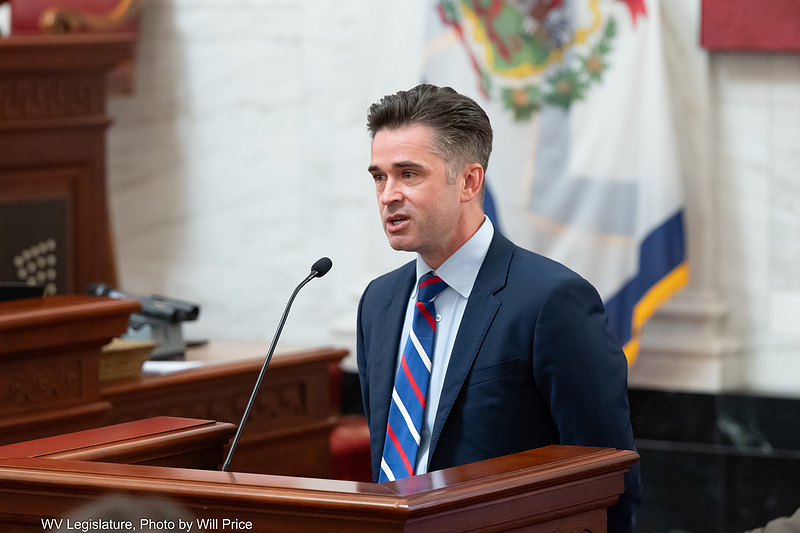
Ed Ryan, founder of Reshore WV, speaks to lawmakers at the West Virginia State Capitol in Charleston, West Virginia on Sept. 14, 2026, about his college course on import substitution and manufacturing. (Photo by Will Price/West Virginia Legislative Photography)
A West Virginia native with expertise in trade operations is taking his passion to state college campuses, hoping to connect the upcoming workforce with skills to bring supply chains back home.
There’s a goal, too, of keeping more students in state to curb the population decline, particularly among young adults.
The initiative has earned the support of many in the Statehouse, including House Speaker Roger Hanshaw.
There’s nothing but an upside to it, he said.
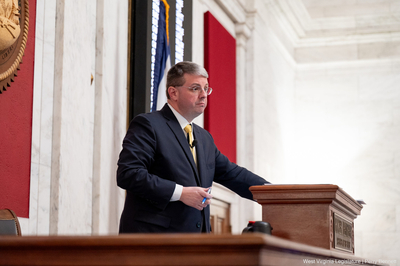
“We need to do everything that we possibly can to help students, young people, aspiring entrepreneurs and potential founders of companies here in West Virginia see what the scope of the possible is,” said Hanshaw, R-Clay.
Ed Ryan, who grew up in Nitro, is the brainchild behind the economic and education initiative, Reshore WV, and his company, Reshore Technologies.
He has a background in U.S. customs and international logistics and worked outside of the state before returning home.
Ryan said that initially, he wasn’t “a great student.” Professors at Marshall University introduced him to international relations, Chinese world history and economics.
“I learned to love learning, and fell in love with international trade and economics and world affairs and how trade is this unifying force that can end wars. It has such a power on people,” Ryan said. “I thought, ‘I’m not gonna let any of that go to waste’ and try and do as much as I can here to help companies and communities.”
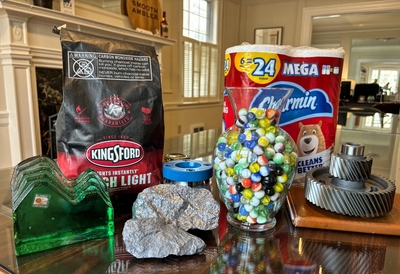
West Virginia has a wealth of products made in the state, including well-known exports like coal, engines and car parts made at the Buffalo Toyota plant, glass, HVAC filters, aircraft parts, wood products and more.
Aluminum plates from the Artemis II spacecraft were made by Constellium in Jackson County, and recently earned the honor of “Coolest Thing Made in West Virginia” by the West Virginia Manufacturers Association.
West Virginia companies don’t always know of the resources made in their backyard, opting to import needed products from overseas. Ryan’s work focuses on identifying products West Virginia companies currently purchase overseas and connecting those buyers with manufacturers making those products in state or that have the capability to.
Next, he took that passion to the classroom, first teaching a class at the University of Charleston in spring of last year to MBA students. The course focused on import substitution and manufacturing.
“I think with this curriculum, we’re going to build just so many knowledgeable students who think about maybe not a career in manufacturing, but understanding how manufacturing can then connect to what they do,” Ryan said. “Whether they’re a finance major, a supply chain major, an education major, a marketing major, it just opens up manufacturing … We have thousands of students here in West Virginia that I think this education could benefit.”
Students prepared an import substitution proposal connecting a West Virginia manufacturer product to a real import demand of an in-state company. Students compared costs of importing the product versus purchasing it in-state.
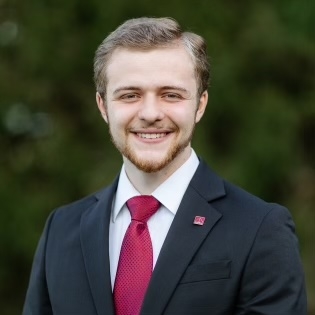
Kelton Boblits, a Fayetteville, West Virginia native and MBA student at U.C., wants a future career in West Virginia after interning at the state Department of Economic Development. Ryan’s course opened Boblit’s eyes to in-state manufacturing possibilities.
“I had studied supply chains and international commerce in different classes, but this was a seven-week deep dive, and so to get that understanding was valuable,” he said. “Not only that, to find out that the manufacturing base that we have here in West Virginia, I think that that’s something that’s very meaningful … I think if people were to take a look at what is here, they would be very impressed, and I think it would break a lot of stereotypes.”
Ryan has now taken the course to West Virginia University and will soon expand it statewide through a partnership with the West Virginia Higher Education Policy Commission.
Ryan also shared his idea with state lawmakers at the Capitol, explaining how this education is valuable to students statewide.
“Our customer base does not have to be limited to just the 1.8 million West Virginians,” Hanshaw said. “We have to think at least regionally, if not nationally and globally. What Ed and his team are doing in helping to expose young people to those kinds of opportunities is really awesome.”
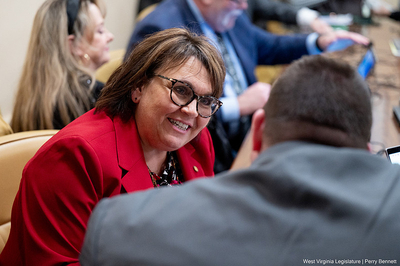
Del. Lori Dittman, R-Braxton, is chair of the House of Delegates’ Higher Education Subcommittee. Dittman, who works at a middle school, praised Ryan for returning to West Virginia and investing in the state.
“I just think anytime you have students that can get their experience outside of just the text, or just outside of this theoretical learning, and they are actually doing it, that is an incredible experience for them,” she said. “It will help them build a life and a career and be able to stay in West Virginia, and then it’s going to help our West Virginia manufacturers either expand or they’re going to see new ones created because of the demand for the products that are needed.”
Boblits said hundreds of students across West Virginia participating in the course and drafting usable proposals is likely to produce a real impact on the state’s economy.
“They will hit a home run and change their communities for the better, and that’s the impact that I see that’s having on the state long term … It’s going to create opportunity,” he said.
Reshoring tax credit bill expected in 2027
Tariff policies from the Trump administration and escalation in supply chain vulnerability played a role in Ryan creating his company in West Virginia, along with his desire to raise his family in the Mountain State.
Businesses operating in West Virginia imported approximately $4.8 billion in foreign manufactured goods during the calendar year 2024.
Ryan estimated that 15% of West Virginia imports could be substituted for in-state products.
In the 2027 legislative session, Ryan will be advocating for the “West Virginia Reshore Manufacturing Act,” which creates a tax credit to incentivize the replacement of imported goods with goods manufactured in West Virginia.
“We want to create an economic incentive for a West Virginia company to make that change when it makes sense,” Ryan explained.
I think if people were to take a look at what is here, they would be very impressed, and I think it would break a lot of stereotypes.
The bill was introduced by two Republican senators in the last legislative session, but didn’t make it to the governor’s desk.
Lawmakers have been working on it since then, according to Hanshaw. Economic development will again be a focus in the House of Delegates next year.
“If we have the capacity to make it here, and you bring that demand back here, we’ll provide you with a credit of some sort against one or more of the taxes that you pay just for the just for the the benefit of having brought that manufacturing demand back here to West Virginia,” Hanshaw said.
The speaker said he’s an “enthusiastic supporter” of Ryan’s work with Reshore WV.
“Hats off to Ed and his team for launching it, and I’m really proud of the companies that are taking advantage of it too,” Hanshaw said. “I love everything about this. It’s the kind of thing we got to really be leaning into.”
Kentucky recently launched its own reshoring initiative, drawing on the experiences of Ryan and Reshore WV. Manufacturing leaders in Kentucky credited Ryan for his expertise and work in West Virginia as they launched their initiative on Oct. 14.
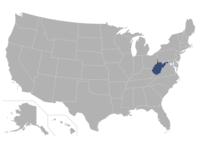
Charleston, WV