Will California Republicans block Democrats from Congress if they win the midterms?
Oct 27, 2026 | 8:00 am ET
Description
In summary
California’s congressional Republicans haven’t signed a pledge agreeing to abide by the midterm elections results.
Will President Donald Trump’s MAGA Republican allies in Congress try to block newly elected Democrats from taking their seats after the midterms, claiming the election was rigged?
That worry prompted a bipartisan pair of lawmakers to urge their fellow members of Congress to sign a pledge promising to accept the results of the midterms.
As Trump and his allies aggressively push claims of widespread election fraud, its authors are hoping to head off a scenario similar to Trump’s pressure on congressional Republicans to not certify Joe Biden’s 2020 presidential victory. That triggered the deadly U.S. Capitol riots on Jan. 6, 2021.
California’s current congressional delegation has eight Republicans and one independent who caucuses with them.
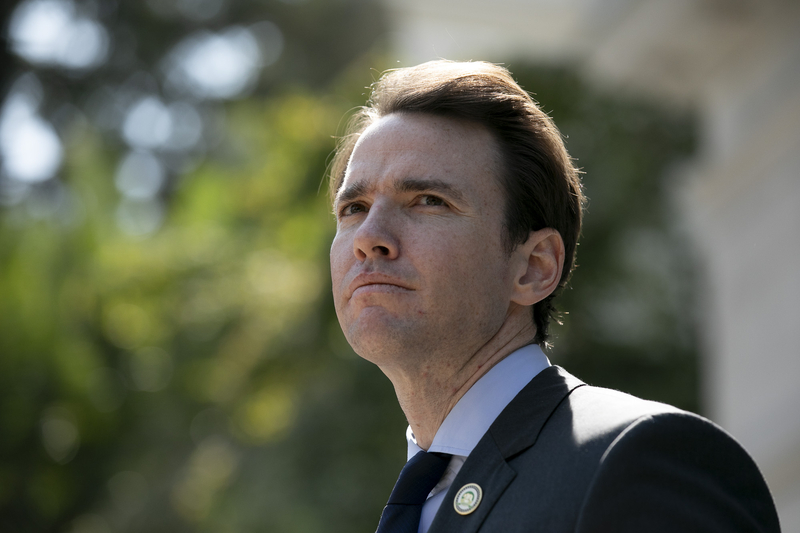
Only one, Rep. Kevin Kiley, the Republican-turned-independent representing the Rocklin area, signed it.
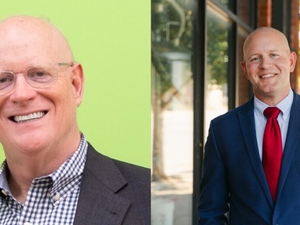
“When the election’s over, we should get things certified and get started on the important work Congress has to do,” Kiley said, adding that he would accept the results should he lose his race to Dr. Richard Pan, a Sacramento Democrat running against Kiley in a newly drawn Democratic-leaning district.
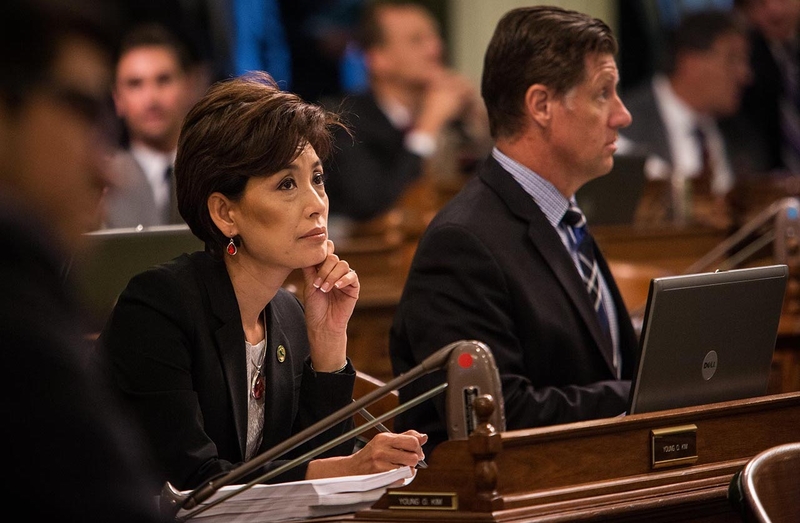
Rep. Young Kim, who represents the Anaheim area, hasn’t seen the pledge, but she “will seat new members,” said her spokesperson, Ellie Gilchrist.
“I can’t answer that,” said Natalia Jovovich, a spokesperson for Rep. Jay Obernolte when asked whether the Republican representing the Hesperia area had signed the pledge.
Bakersfield-area Rep. Vince Fong and his wife had a baby last week, so Fong wasn’t available to comment on whether he would seat new members of Congress, his spokesperson, Ryan Gardiner, said in a text message.
Jonathan Wilcox, a spokesperson for San Diego Rep. Darrell Issa, responded to CalMatters’ inquiry but did not say if Issa had signed the pledge.
Spokespeople for the other Republican California U.S. Reps. — Ken Calvert, James Gallagher, Tom McClintock and David Valadao — didn’t respond to CalMatters.
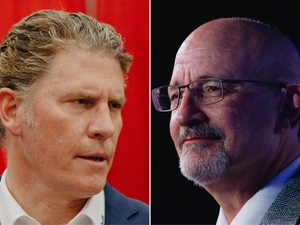
The Wall Street Journal first reported on the pledge authored by Reps. Don Bacon, a Nebraska Republican, and Josh Gottheimer, a New Jersey Democrat.
After this story was published Tuesday, Gottheimer’s office provided CalMatters with the letter and its 17 signers. Two Republicans — Reps. Mike Lawler of New York and Brian Fitzpatrick of Pennsylvania — had signed it.
Five California Democrats — Reps. Jim Costa, Salud Carbajal, Jimmy Panetta, Gil Cisneros, Jr. and Mike Thompson — also signed it.
What does the pledge say?
The signatories pledge to oppose “efforts to undermine free and fair elections or override the will of the voters, including any attempt to refuse or delay the seating of any Member-elect who presents a validly issued election certificate.”
The signatories also agree to recognize “the election winners certified by each state pursuant to that state’s law.”
Republicans have a razor-thin majority in the U.S. House of Representatives going into November, so even a small number of Republicans sticking to the pledge could block a far-right effort to not seat new Democrats after the midterms.
The letter comes as federal investigators have been aggressively attempting to validate Trump’s claims of widespread election fraud in Democratic-controlled states, including in California.
Federal agents have arrested a few dozen people across the country in recent weeks for allegedly voting illegally, but so far, they haven’t turned up proof of a widespread conspiracy that Trump has claimed for years is rigging elections in favor of Democrats.
Heritage Foundation pushes Congress
The Heritage Foundation, a think tank that’s influential in Trump’s Make America Great Again movement, in April argued that Congress has the power to investigate elections that members believe to be fraudulent.
“Congress can ferret out fraudulent votes of all sorts — not just voting by noncitizens,” wrote Scott Yenor, a senior research fellow at the foundation. “Congress can then declare elections invalid and order a new election when it judges elections to be fraudulent.”
Earlier this month, WNYC, a New York public radio station, asked Rick Hasen, a UCLA law professor, about a scenario in which Republican leaders could attempt to block new members on Jan. 3, when they’re supposed to be sworn in.
“It would be profoundly anti-democratic if it happened,” Hasen told the station, but he said it was unlikely.
“If Democrats have won control of the House of Representatives, and somehow on Jan. 3, somebody tries this kind of maneuver, it’s going to provoke such a massive public reaction,” he said. “This just seems very far-fetched.”
Given what happened on Jan. 6, 2021, the authors of the pledge think it’s better to be safe than sorry, Gottheimer told NPR in an interview earlier this month.
“Because we’ve lived through that,” Gottheimer said, “I think it’s really important that we, again, shut down any opportunity for those who want to stop the will of the people.”
Sacramento