Will AI make work easier or workers obsolete? A new NC survey looks at what workers think
Oct 12, 2026 | 6:00 pm ET
Description
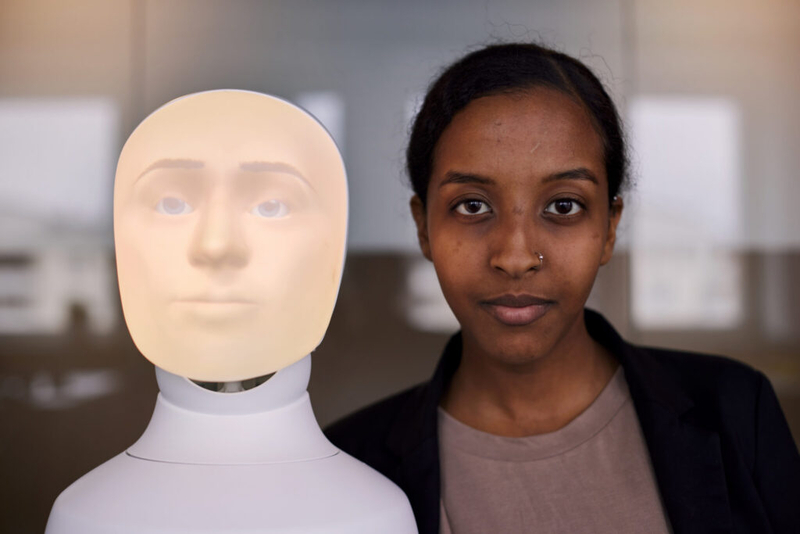
As AI is deployed in more professions, workers are finding the need to adapt. (Photo: Getty Images/Johner Images/Royalty Free)
[email protected]
[email protected]
There have been many predictions about how artificial intelligence will impact the way in which people work, and a new report by Elon University’s Imagining the Digital Future Center takes a deeper dive into how workers are adapting.
The national survey of 775 adults employed full- or part-time found that large majorities anticipate a future in which there are fewer jobs, inadequate wages and work becomes less satisfying.
Of those surveyed, 83% of adults expect AI to eliminate more jobs than it creates, and more than two-thirds (68%) believe most jobs will pay too little to afford a decent lifestyle.
Lee Rainie, director of Imagining the Digital Future Center, says while half of workers are highly confident that they can adapt their own skills to changing demands, they are concerned AI will “hollow out” the meaning of work and threaten people’s sense of purpose.

“If you ask an American who they are, in many cases, they’ll tell you what they do,” said Rainie. “And there’s a very interesting dynamic emerging now as people worry about becoming lazy. They worry about deferring too much to AI tools.”
Eighty-one percent of those surveyed said paid work is extremely important to their role in their family, while 70% of workers said paid work is very important to their personal sense of meaning and purpose.
And 65% of adults polled agree that if AI makes work less meaningful, people will lose their sense of dignity.
A majority of those currently using large language models like ChatGPT said these models and chatbots are already smarter than they are.
“We’ve never faced an entity that’s smarter than we are,” Rainie told NC Newsline. “There’s a sense that as we have to share this essential part of human nature, our intelligence, our social wits and wisdom, what are we going to be good for as we see these things march through our workplaces and even our personal lives?”
Rainie said the survey found having familiarity with AI somewhat softens that pessimistic outlook. Still, jobholders want more guardrails as employers are accelerating AI adoption. Fifty-two percent of respondents said training about AI’s limits would be beneficial, and knowing when human judgment should take priority.
“People have little faith that businesses, schools and communities will step up to effectively assist them in the AI transition, “said Janna Anderson, senior researcher at the ITDF Center.
Among workers surveyed, only 11% said they felt government agencies would provide support if AI significantly affects their jobs in the next few years.
North Carolina lawmakers dipped a toe into the debate in May as they questioned whether restrictions should be placed on AI’s use in insurance and medical billing.
A controversial bill to rein in AI use in medical billing advances in NC Senate
Among those entering the working world, there’s a hunger for professional advice. Nearly half of those surveyed said they would appreciate advice about which professions will decline and which human skills will complement AI.
“One of the most interesting things about being a pollster in this area is that for years and years, young people have been the most enthusiastic about technology compared with others. That’s not the case with AI,” said Rainie. “Younger people, even if they’re using these systems, are very anxious about their futures, in part because of the implication for jobs.”
The findings will be presented Tuesday at the Tech Rising Summit in Charlotte.
Raleigh, NC