We’ve made progress against Big Tobacco, and we can do the same with the latest batch of bad air
Jul 28, 2026 | 7:00 am ET
Description
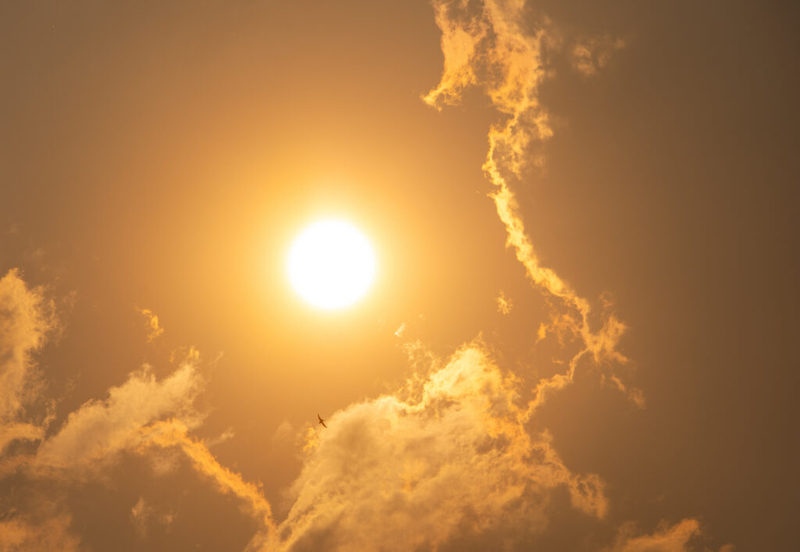
A hot hazy day in Minneapolis, July 15, 2026. Wildfire smoke has moved south from fires in northeastern Minnesota. (Photo by Nicole Neri/Minnesota Reformer)
My grandfather always told me, “I don’t want to go by the lungs.” Those were his words for telling me he feared dying due to lung failure.
I spent so much time at the hospital during his treatment and recovery from a near fatal aortic aneurysm that my parents say I learned to walk there.
His aneurysm was not a fluke. My grandfather, the oldest of 11 in a poor Irish family, started smoking at the age of 7 to take the edge off his hunger. He smoked for decades.
He eventually did go by the lungs, 16 years after his aneurysm.
The year he died, 2008, was also the year the Minnesota Pollution Control Agency began issuing air quality alerts.
Twelve years later, I had a baby. In December 2024, I knelt at my child’s bedside as air whistled through his throat, watching the skin tighten around his ribs. I held him as he coughed, barking, unable to stop.
It took two visits to Children’s Hospital before his breathing issues became manageable, and I still carefully monitor triggers that could induce wheezing, like wildfire smoke. I don’t want my child to go by the lungs.
Many Minnesotans have recently experienced the worst air quality on record, and Minnesota held the status of having the worst air quality in the world. Without change, we will continue to experience poor air quality due to wildfire smoke that’s linked to the hotter, drier summers that turn forests into kindling.
Cleaner energy mandates, lawsuits against the oil companies and financial investments in new technologies are critical tools for mitigating climate change. Those stopping progress — like refusing to provide federal permits for wind farm projects — are delaying this shift, driving up hospital admission rates and costing lives.
We can’t let frustration mutate into despair that prevents us from taking the actions we can. We can still use a hammer when our nail gun is missing and continue building structures while we save up for a new nail gun.
Tobacco companies were once seen as invincible, too: Cigarette smoking rates among American adults dropped from 43% to 12% between 1965 and 2022. That change didn’t happen all at once. Public policy shifted gradually with lawsuits, higher taxes and restrictions on smoking in public buildings, while the culture also changed — one conversation, one business decision, one peer interaction at a time.
We face the same daunting policy and cultural challenge when it comes to climate change.
Here’s another lesson from the tobacco wars as we assemble the coalition needed to make progress on climate change: Hope and kindness and empathy are harder emotions to wield than shame and despair, but they are far more effective. The American Lung Association reflects this in their advice for helping someone quit smoking. In their words: “No nagging, scolding or preaching — that just doesn’t work.”
With this approach, the smoker can admit that they have a harmful, addictive habit they want to change and find self-respect in each hour they live without the habit. These actions compound, and eventually someone discovers that they haven’t smoked in a year, and one of their friends is quitting too.
Similarly, we must accept the grim reality of climate change and choose to honor each small action we take to address it.
We did something about the scourge of tobacco, and we can do something about the once-inconceivable event of wildfire smoke rolling in every summer.
Quitting smoking doesn’t undo lung damage. But it might mean that your grandchild grows up in a household free of secondhand smoke.

Saint Paul, MN