Westinghouse investing $1B to make a new kind of uranium at SC nuclear fuel factory
Oct 21, 2026 | 12:31 pm ET

Description
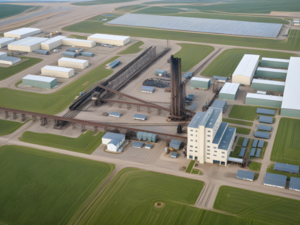
A rendering of Westinghouse's proposed new $1 billion nuclear fuel factory in Lower Richland. (Photo courtesy of Westinghouse)
COLUMBIA — Westinghouse Electric Company plans to expand its nuclear fuel campus south of Columbia to make a new type of uranium for power plants.
The nuclear power giant announced Wednesday it would invest $1 billion in a new factory, alongside its existing plant in southern Richland County, to make what it calls low enriched uranium plus.
USC, Westinghouse sign agreement for nuclear workforce training center
Westinghouse said the investment marks the first fleet-scale nuclear fuel factory built in the United States in more than 50 years. Construction is underway and operations are expected to begin in 2030.
It’s unclear whether the investment involves new jobs. Officials did not immediately provide answers to questions about the workforce.
“South Carolina is already leading America’s nuclear renaissance, and our state has been producing the nuclear fuel that powers approximately 10% of the United States from Westinghouse’s fuel operations in Richland County,” Gov. Henry McMaster said in a statement.
This expansion has been in the works since at least 2024, when Westinghouse began meeting with federal nuclear regulators about the plant’s design.
Low enriched uranium plus, or LEU+, has a higher level of uranium enrichment — 5% to 8% compared to the usual 3% to 5% — and allows nuclear power plants to run longer before needing to refuel, according to Westinghouse.
The fuel was used for the first time in the United States last year.
“By expanding our domestic nuclear fuel production capabilities, we are creating economic opportunities, supporting good-paying jobs and positioning South Carolina as a leader in the nation’s energy sector,” U.S. Rep. Jim Clyburn said in a statement. The plant is located in the 6th Congressional District he represents.
Westinghouse also said the production process for the new fuel “reduces chemical use and lowers the potential for environmental impacts.”
The existing fuel plant has long struggled with environmental issues, including groundwater contamination that dates back decades, uranium buildup in air pollution controls in 2016 and a uranium leak in the plant’s floor 2018, according to reports by The State newspaper.
Built in 1968, the existing Columbia Fuel Fabrication Facility is one of the largest nuclear fuel plants in the world, producing fuel pellets, fuel rods, fuel assemblies and fuel components. More than 1,200 people work there, according to Westinghouse.
“Our workforce has supported this facility for generations, and this expansion ensures that we’ll continue to see high-paying jobs and economic stability for years to come,” Richland County Council Chairwoman Jesica Mackey said in a statement.

In exchange for its investment, Richland County approved Westinghouse for ongoing property tax breaks.
Laws passed in 2017 and 2021 effectively lowered the property tax rate on manufacturers from 10.5% to 6%. This proposed deal takes the rate even lower — to 4% — over 40 years.
Westinghouse CEO Dan Sumner also said the company is “grateful for (U.S. Department of Energy’s) tax credit program,” but did not go into detail about how it would apply to this project.
The announcement of the new factory plays into federal efforts to increase nuclear power production nationwide.
In June, the U.S. Energy Department also announced $17.5 billion in loans to speed the construction of 10 other Westinghouse nuclear reactors, to be built in pairs at five undisclosed sites across the U.S. by 2030.
Columbia