West Virginia has an urgent educational problem that must be addressed
Jul 06, 2026 | 5:55 am ET

Description
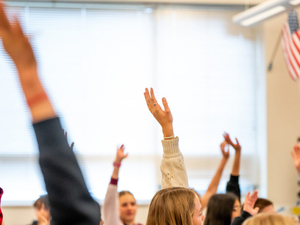
A new report founds that only 18% of West Virginia's 8th graders are proficient in math, while 31% of 4th graders are proficient. (Photo by kali9/Getty Images)
“A substantial body of research has established that there is a clear causal relationship between school spending levels and student outcomes.” — Rand report
Using National Center for Education Statistics, a new report has been issued comparing K-12 educational achievement by state. The results for West Virginia are devastating.
Only 18% of 8th graders are proficient in math, while 31% of 4th graders are proficient. For the 8th grade, only New Mexico and Oklahoma are worse. Only New Mexico and Alaska are worse regarding 4th grade performance scores.
West Virginia’s underperformance educational issue is nothing new; K-12 learning deficiencies have been covered in the past by West Virginia Watch. Specifically, West Virginia politicians have not followed through on implementing the recommendations of the independent Rand report that they themselves (the House of Delegates) paid to have done regarding funding to improve performance scores.
Rand objectively analyzed performance and spending data from all 50 states, scientifically comparing West Virginia to them to determine needed modifications to the state’s funding for K-12 schools. The resulting Rand report is quite specific, recommending:
- Significantly increasing public education efficiency and funding
- Increasing proportional funding for the 28 districts with greater numbers of special education and low-income students
- Using performance versus seniority as the basis for employee retention, saving money and increasing effectiveness
- Basing transportation funding on objective measures (such as miles driven, condition of buses, number of riders, and time spent in transit) rather than prior year spending
- Modifying the inefficient, ineffective $300 million Hope Scholarship program to target low-income children
There is a lot to ponder given these reports. Let’s just zero in on one item — the Hope Scholarship program which gives $5,267 per student per year to families putting their children in private schools. That is not nearly enough to cover the cost of tuition. The average cost of a private high school in West Virginia is $10,425 annually. The cost is even more for an elementary school — $10,807. The Hope Scholarship only provides half of the cost of a private school; therefore, only upper income families can afford private schools. Thus, the needs of lower income families are ignored while state government helps those with sufficient resources.
Further, a compelling case can be made that private school vouchers will destroy public school financing, especially in rural areas. Dr. Josh Cowen of Michigan State University’s education department said, “It (private school vouchers) busts the budget because it’s taking on as a public expense what’s previously been a private cost.”
According to another source, West Virginia is the least educated state. That study used criteria such as “educational attainment, school quality and disparities in achievement across gender and race.” According to this analysis, one reason that West Virginia’s “Educational Attainment score” is low is due to few residents with college experience and degrees (20%). This source also indicates West Virginia’s university quality as fourth lowest in the nation.
These reports must not be ignored by the state’s politicians. Based on the facts, West Virginia’s governor and Legislature must be asked why they are destroying our public education system rather than improving it?
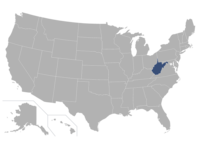
Charleston, WV