Voter Voices: Granddaughter of slain civil rights activist vows to fight redistricting efforts
Jun 10, 2026 | 6:30 am ET
Description
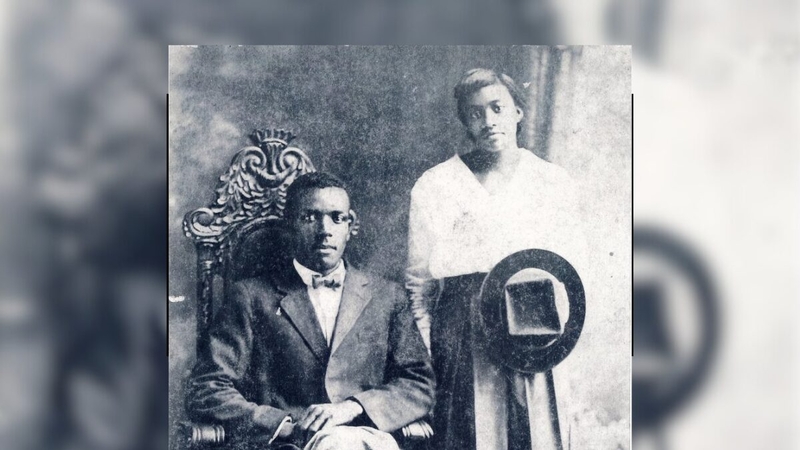
Photo courtesy of Mississippi Today
Audio recording is automated for accessibility. Humans wrote and edited the story.
“Voter Voices” is a series of Mississippians sharing their thoughts on voting rights, the state’s history of voter suppression and the new gerrymandering push embroiling Mississippi, the South and the nation.
It was as if they killed Deborah Griffin’s grandfather again.
That’s how Griffin said she felt when she heard that the U.S. Supreme Court had struck down part of the Voting Rights Act and cleared the way for the widespread elimination of majority Black electoral districts.
Her grandfather, Lamar “Ditney” Smith, a World War I veteran who organized Black Americans to vote, was shot dead in broad daylight on the courthouse lawn in Brookhaven, Mississippi. He had been helping other Black voters get to the polls to vote absentee, so they could vote without becoming victims of violence.
Instead, he became the victim.
So when Griffin, 69, learned about the Supreme Court’s decision in Louisiana v. Callais, she called her sister.

“I said they killed Ditney again. The Supreme Court killed Ditney again,” Griffin told her sister. “I said, ‘Call everybody, because we’ve got to have another funeral for him.’ Those are the words I told her. I couldn’t believe it.”
Griffin never had a chance to meet her grandfather. He was murdered on Aug. 13, 1955, and she was born in 1956. But the mission to which he dedicated his life, and the way his life was cut short, have loomed large in her mind.
Growing up near Petal, she remembers standing up to store clerks who refused to cash her mother’s checks. Civil rights icons such as Vernon Dahmer, whose daughter Bettie was friends with her sister, feature prominently in her childhood memories. Griffin would go on to earn her doctorate and two master’s degrees, which led to a long career at Jackson State University.
Dozens of people saw the shooting but denied being able to identify Smith’s killer. Two weeks after his killing, a 14-year-old named Emmett Till would be abducted and lynched about 170 miles north of where Smith perished, a case that would go on to epitomize the brutality of Jim Crow-era Mississippi.
NAACP leader Medgar Evers investigated Smith’s assassination, and authorities arrested three white men in connection with Smith’s killing. But an all-white grand jury refused to indict, despite the fact the sheriff saw one of the men covered in blood at the scene. Those men arrested have since died.
The 63-year-old Smith was a member of the Regional Council of Negro Leadership, a civil rights organization that pledged an “all-out fight for unrestricted voting rights.”
Griffin plans to continue that fight, regardless of whether the state Legislature ends up redrawing Mississippi’s electoral maps.
“If they want to draw a map and it’s not equal, it’s just not right,” Griffin said. “But as long as I have breath in my body, I’m going to be at these high schools, and when they turn 18, I’m going to get people to register to vote.”
Jackson, MS