Utah boaters and paddleboarders have homework to finish before they go out to play
May 23, 2026 | 7:02 am ET
Description
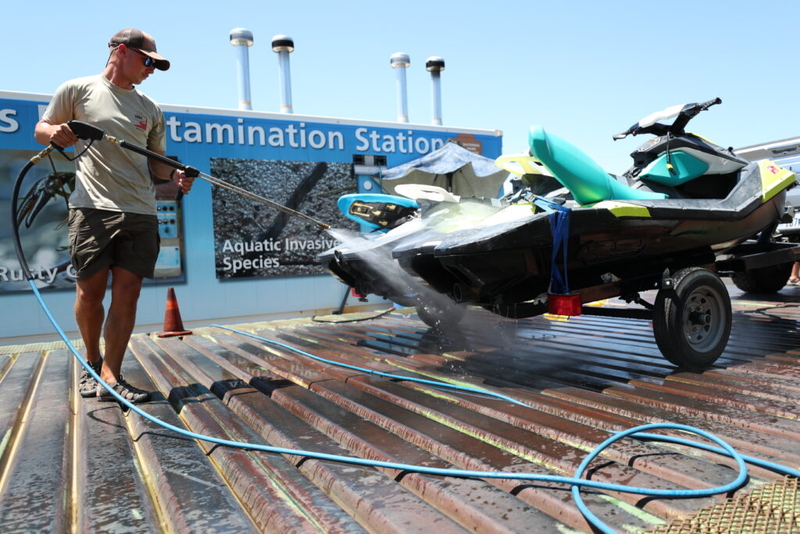
Boats leaving Lake Powell are required to undergo an exit inspection and a separate decontamination or cleaning process this summer after quagga mussels were detected. (Utah Division of Wildlife Resources)
Before they head out for a day on Utah reservoirs this summer, boaters, paddleboarders and kayakers alike have an assignment to complete.
The Utah Department of Natural Resources is reminding anyone planning to launch watercraft in the state this summer that they must first take a free course on how to stop the spread of invasive species like quagga mussels, sometimes referred to as the “STD of the sea.” Then they need to keep the certificate with them as proof when they head to the lake.
The requirement came about under a 2023 state law. Previously, only boaters from outside the state had to take the class.
Those with motorized boats also have to pay an additional fee under the aquatic invasive species program, at a cost of $20 for Utah residents and $25 for visitors from out of state. The money helps the state pay for new tanks used to decontaminate boats and staff hours to do inspections in places without tanks, according to the department.
There are still more factors to consider while making summer plans. Lake Powell on the Arizona border is forecast to hit historic lows this summer after decades of drought and rerouting of the river’s water — mostly for agriculture but also for cities and other uses.
As a result, owners of Bullfrog Marina are moving it to deeper water across the lake. They expect the relocation to happen by mid-June and plan to shuttle customers to the new location in a small boat. By car, the site is more than a two-hour drive away.
Additionally, Lake Powell is already confirmed to have quagga mussels, so all boats, kayaks, canoes and paddleboards are required to undergo an exit inspection and a separate decontamination or cleaning process.
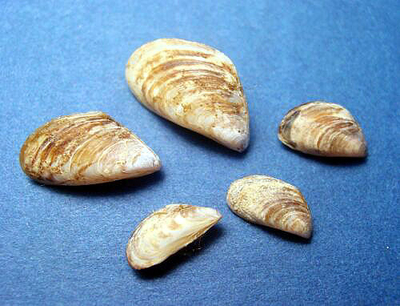
The mussels are more than just an eyesore. They can clog water delivery pipes at reservoirs, harm fish by reducing plankton in the water and cause engine damage to boats by getting into the engine cooling system. But they’re not the only invasive species to worry about.
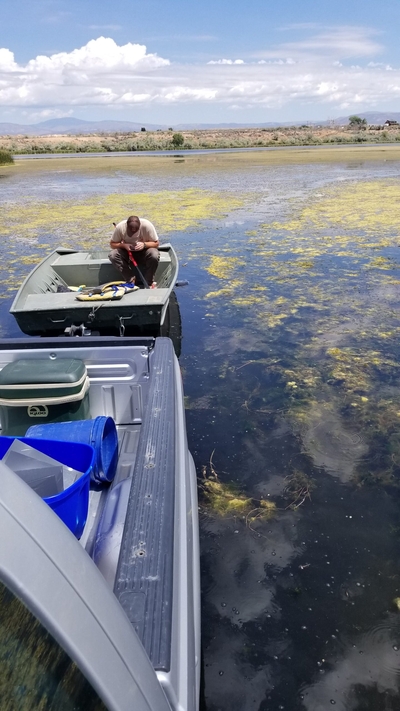
A nonnative plant, Eurasian watermilfoil, spreads easily and can entangle boat propellers and crowd out other plants, wreaking havoc on the ecosystem. It has cropped up this year in more than a dozen bodies of water, including Bear Lake, Panguitch Lake and Strawberry Reservoir.
Boaters heading to northern Utah’s Pineview Reservoir should also take note of changes there due to construction. Road and ramp projects are canceling boat decontaminations there this summer and closing off access to its Port Ramp Marina and Windsurfer Beach.
For more information about quagga mussels, visit stdofthesea.utah.gov or call the Division of Wildlife Resources at (801) 538-4700.
Salt Lake City, UT