US Supreme Court won’t hear company’s appeal over migrant’s wage claim
Oct 06, 2026 | 1:32 pm ET
Description
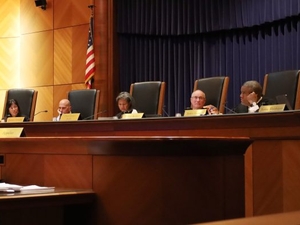
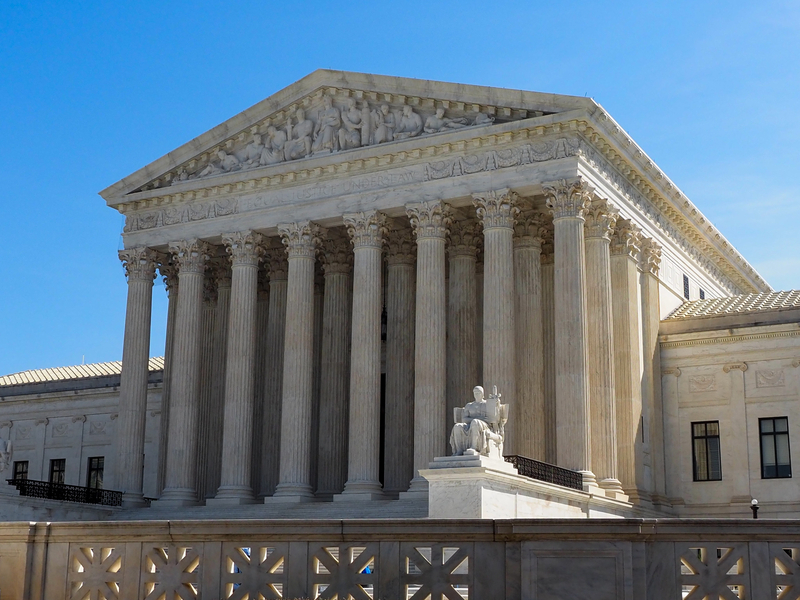
New Jersey’s high court said companies have to adhere to wage laws regardless of an employee’s immigrant status. The U.S. Supreme Court won’t hear the case. (Photo by Ashley Murray/States Newsroom)
The U.S. Supreme Court declined to take up a real estate management company’s appeal of a state Supreme Court decision that found state laws governing wages and work hours apply to immigrants who are in the country illegally.
The high court declined to give certiorari to Marmic LLC’s appeal of the state court’s March decision, which found that federal law that bars employing individuals without legal permission to enter or work in the United States does not conflict with New Jersey’s Wage and Hour and Wage Payment laws.
As is its practice, the U.S. Supreme Court did not provide a reason for rejecting the appeal.
Marmic’s appeal came months after the state’s high court ruled the firm’s provision of a free apartment does not satisfy its wage obligations to Sergio Lopez, who Marmic employed as a super.
Joseph Deer, an attorney representing Marmic, did not return a call and email seeking comment.
New Jersey’s Wage and Hour law sets the state’s minimum wage and requires overtime pay for work time beyond the first 40 hours each week. The state’s Wage Payment law generally requires workers to be paid at least twice a month on a set schedule.
The state Supreme Court found neither law has broad exceptions for barter arrangements like the one for a free apartment between Lopez and Marmic, and the apartment was not proof the firm properly paid Lopez.
All a worker — even one without legal permission to be or work in the United States — has to do to establish a wage claim is show that they are an employee who performs work and does not receive proper compensation, New Jersey’s court ruled.
“A person’s immigration status is not relevant to determine those issues,” New Jersey Chief Justice Stuart Rabner wrote for a unanimous court in March.
Trenton, NJ