Trump ordered limits on voting by mail. The Postal Service is moving to make states comply.
May 29, 2026 | 2:31 pm ET
Description
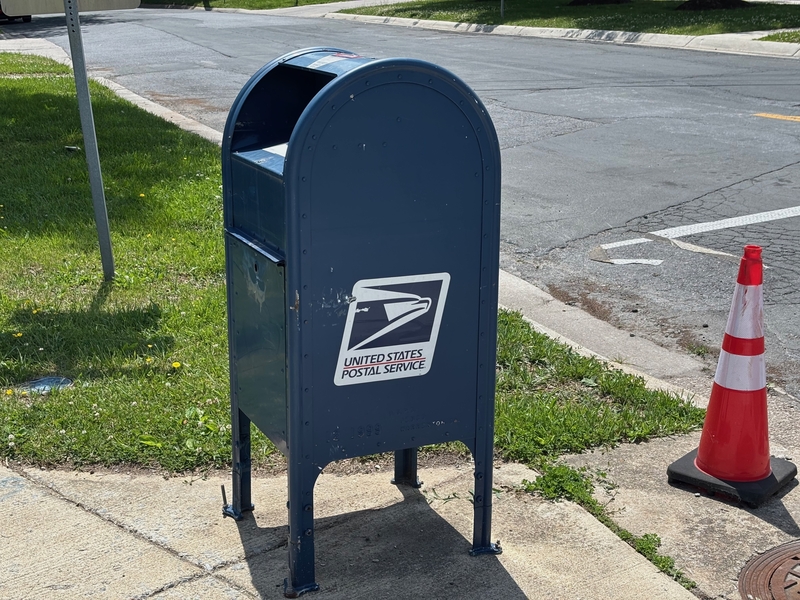
The U.S. Postal Service on May 29, 2026 proposed a rule to carry out President Donald Trump’s executive order restricting voting by mail. (Photo by Jane Norman/States Newsroom)
The U.S. Postal Service on Friday took its first major step to carry out President Donald Trump’s executive order restricting voting by mail, proposing a rule that would require states to submit lists of voters before mailing ballots.
But the proposed rule appears to smooth over some of the rougher edges of the executive order, which has been condemned by Democratic state officials as an intrusion on their constitutional authority to administer elections.
“The proposed rule would apply uniform standards for the mailing of absentee ballots to and from voters, which the Postal Service understands will facilitate the faithful execution of federal law,” the Postal Service said in a document posted on the Federal Register website.
The executive order faces at least five lawsuits. Experts on the Postal Service have also warned that Trump’s attempt to assert authority over the agency threatens its decades-long record of independence.
The order remains in effect for now ahead of the November midterm elections. A federal judge on Thursday declined to block it after finding the federal government had taken few steps to implement it. However, with Friday’s proposed rule, that’s beginning to change.
Some exemptions
Trump’s March 31 order directed the postmaster general, who leads the Postal Service, to propose a rule that would block states from sending ballots through the mail except to voters on lists provided by the state to the Postal Service. In effect, states would be blocked from allowing residents to vote by mail unless they provide their names to the federal government.
The proposed rule fulfills that directive, but it exempts overseas and military voters — a concession that wasn’t included in the executive order. Voting by citizens who are abroad and in the military is regulated by the federal Uniformed and Overseas Citizens Absentee Voting Act. The law sets strict deadlines for states to send ballots.
The rule also doesn’t require states to submit voter lists for primary elections.
“Primary elections largely involve political parties selecting nominees through their chosen procedures, rather than direct election of federal officials, and thus implicate different considerations that bear on the necessity for these provisions,” the Postal Service said in a document outlining the proposed rule.
The Postal Service document emphasizes that states retain full control of who gets to vote by mail or alter the information.
The proposed rule creates data reporting standards that “can provide information regarding the sending of ballots through the mails that would be available for use by law enforcement,” the document says.
The Postal Service plans to formally publish the rule on June 2.
Noncitizen voting
Trump and administration officials have framed the executive order as a way to combat noncitizen voting, which occurs very rarely. Trump has long attacked mail voting, though he has voted by mail multiple times.
“I think this will help a lot with elections,” Trump said when he signed the order.
But opponents of the executive order say it violates the U.S. Constitution, which gives states the responsibility of running elections and allows Congress to pass regulations. The order represents an attempt by Trump to unilaterally control elections, they say.
After a federal judge in Washington, D.C., declined to block the order, another federal judge in Massachusetts will hold a hearing on June 2 in a separate lawsuit challenging the directive brought by Democratic attorneys general.
“Widespread chaos and confusion is the goal of this executive order,” Cliff Albright, co-founder of Black Voters Matter, said in a statement.
All States Newsroom content is free to republish. Read our republishing policy for more information.