Gangs are on the minds of politicians in North Carolina these days. No less than the New York Times has noticed, publishing a story last week about calls by state and local officials for aggressive anti-gang tactics patterned after tough laws passed in Los Angeles in the 1990s.
The story quotes law enforcement officials and prosecutors in Los Angeles and other urban areas who are now having second thoughts about their get-tough-at-all- cost approach. The District Attorney in Dallas says it resulted in “overflowing prisons, high crime rates, and increasing numbers of gang members” and the city is now trying to be smarter about crime.
Let’s hope state and local officials are paying attention to the lessons from other states and resist implementing one-sided policies that actually make things worse, but don’t count on it.
Tough anti-gang legislation was debated this past legislative session and is sure to surface again when lawmakers convene in May, just sixth months before a general election.
Gangs are a problem in the state. No one disputes that. The battle is over how to deal with them. Many politicians are unfortunately choosing the easy route of demagoguery and fear, ignoring the advice of law enforcement officials in other states and studies that show focusing only on suppressing gang activity through tougher laws and longer sentences does not work.
The Justice Policy Institute in Washington released a report in July that found that the traditional approach of stiffer penalties is ineffective and is wasting millions of dollars across the country. It also pointed out that violent juvenile crime was down in North Carolina at the same time law enforcement agencies were issuing reports about new and urgent threats from gangs.
A recent report presented to local officials in Durham finds that gangs are on the rise in the area and says that ignoring at risk kids is one reason why. An overcrowded and under funded court system doesn’t help and neither does the lack of prosecution of gun crimes under federal law.
Efforts to get illegal guns off the streets are always opposed by the NRA and other gun groups. Lawmakers balked a few years ago at even studying why North Carolina is a center of illegal gun trafficking.
The report by the Justice Policy Institute includes recommendations that sound a lot like what law enforcement officials told the New York Times, spending more resources on prevention efforts to reduce gang activity, more emphasis on intervention and community support services. That doesn’t mean soft on crime. There are already tough laws on the books to prosecute gang-related crimes and they ought to be vigorously enforced. But even tougher laws and sending more teenagers to prison is not the answer.
The problem is that prevention and support services don’t make good soundbites, especially not in an election year. But soundbites and political rhetoric is not usually a recipe for thoughtful public policy.
The anti-gang bill in the General Assembly would increase prison costs by $50 million a year, according to the legislative staff. One of the get tough bills would target children as young as 12 years old.
Most politicians know that doesn’t make sense, no matter how well they think it plays in the media in their district. There is still time to reject the lock ‘em up and throw away the key approach to addressing the gang problem in North Carolina and have a more honest debate about what works, using the lessons from other states.
But there’s not much time. The only issue politicians love to scare us with more than gangs is immigration and disturbingly, the two are starting to merge. A handful of zealous law enforcement agencies, cheered on by pandering politicians, are now rounding up people without documentation and accusing them of suspicious gang activity.
The 2008 election is more than a year away and it’s going to be a long one with disastrous consequences for thousands of at-risk children and families unless some saner, courageous voices speak up soon.
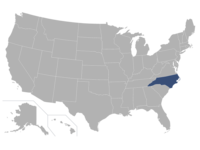
Raleigh, NC