Chevron to restart biodiesel plant in Ralston
Nov 12, 2026 | 5:07 pm ET
Description
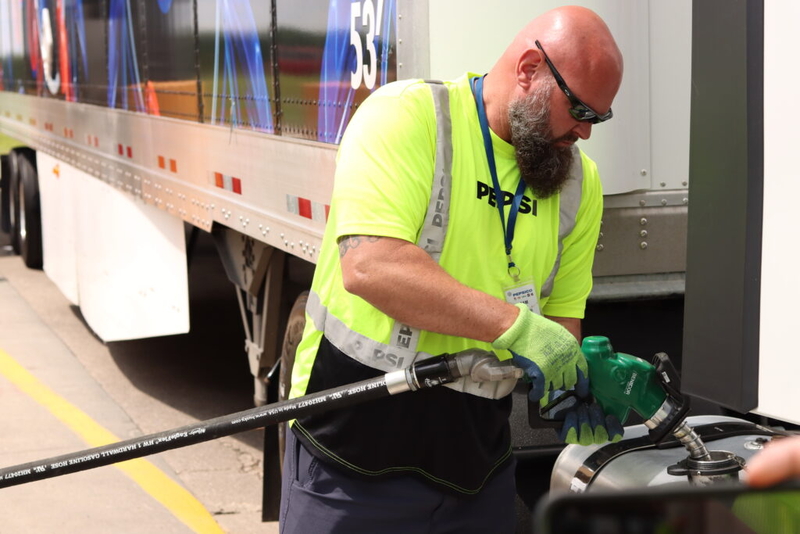
An Iowa biodiesel facility is set to restart. Pictured is a truck driver in Urbandale filling up a truck with biodiesel. (Photo by Cami Koons/Iowa Capital Dispatch)
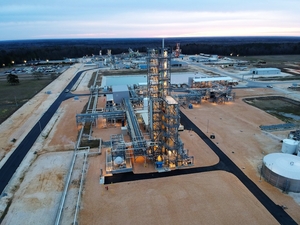
An Iowa biodiesel plant operated by Chevron U.S.A. Inc. that shuttered in 2024 is set to restart according to a news release from the company Thursday.
Operations at the Ralston facility will be supported by a feedstock agreement with Landus Cooperative, according to the release.
The northern Iowa facility, which was closed in 2024 due to a “market downturn” in biodiesel, has a production capacity of 42 million gallons per year, or enough to fuel more than 275,000 18-wheelers, according to the release.
The “timing and scope” of workforce additions are “still being assessed,” according to the release, and the company plans to follow a “staged process” for the restart with activities around staffing, maintenance, safety and operational-readiness initiating before production resumes.
Andy Walz, the Chevron president of downstream, midstream & chemicals, said the restart “reflects improved market conditions” and the company’s “commitment” to meeting customer energy demands. The news release said the restart will help to increase regional biodiesel availability, support the broader diesel fuel market and “provide increased opportunities for soybeans raised by Iowa farmers.”
“Bringing Ralston back online will enable additional biodiesel production capacity while supporting the communities and customers we serve,” Walz said in the statement.
Iowa Renewable Fuels Association celebrated the news Thursday, with its Executive Director Monte Shaw saying the restart was the “biggest sign yet of the powerful impact of the robust” renewable fuel standard blending levels finalized by the U.S. Environmental Protection Agency.
“A major facility is coming back online, creating new demand for Iowa-grown soybeans and creating good-paying jobs in rural Iowa,” Shaw said in a news release. “IRFA strongly urges the Trump Administration to maintain the RFS and to reject any actions that would reverse course. As the saying goes – if it ain’t broke, don’t fix it.”
The EPA finalized in March what the industry referred to as “historic” RFS targets, which stipulate how much biofuel must be blended into U.S. transportation fuels.
On Monday, governors from Louisiana and Alabama wrote to Trump administration leadership asking for a partial waiver of RFS obligations for the 2027 compliance year in their states. The governors alleged the requirements to blend biofuels “imposes” additional cost at the pump when gas and diesel prices are already high.
Shaw opposed the move from the governors on Monday and argued that reducing supply would not help to lower fuel prices and that instead, Congress should “unleash” ethanol and U.S. supply by approving the year-round, nationwide sale of E15 fuels.
On Thursday Shaw said the Chevron restart shows that the RFS numbers “translate into real investments, real markets for farmers, and real jobs in rural communities.”
Chevron decided to close the Ralston facility, and another biodiesel production site in Wisconsin in March 2024 due to poor market conditions. Stakeholders blamed the market downturn on low blending standards from the EPA that year.
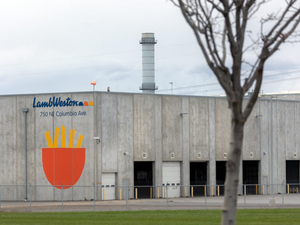
Eric Heismeyer, the president and CEO of Landus, said the coop was “proud to collaborate” with Chevron to restart the plant. Landus’ Ralston facility processes more than 28 million bushels of soybeans a year, according to the news release from Chevron. Soybeans are a primary feedstock for biodiesel fuel.
“The combination of soy processing and biodiesel production at the Ralston site has long represented a powerful partnership among our companies, communities and stakeholders,” Heismeyer said in the release.
Des Moines, IA