Three North Carolina schools made big gains on chronic absenteeism. Here’s what they’re doing.
Description
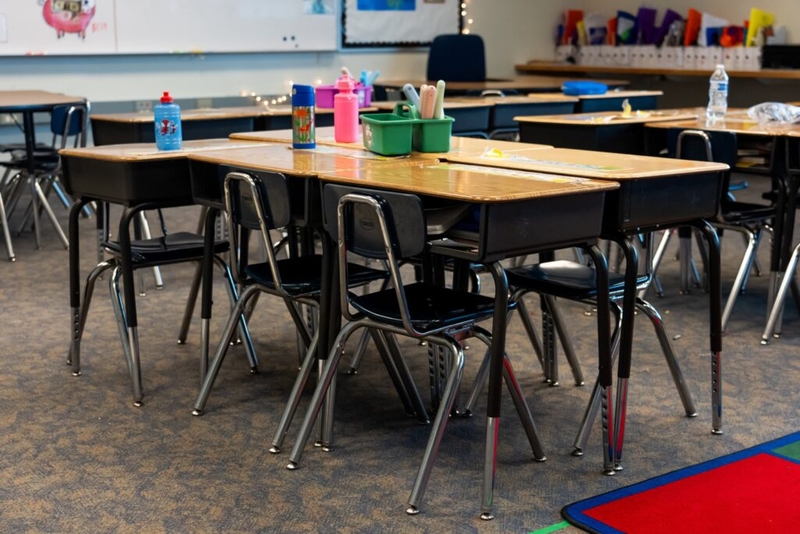
A classroom at Woodrow Wilson Elementary School in South Salt Lake City, Utah, on March 12, 2024. (Photo by Spenser Heaps/Utah News Dispatch)
At Washington County High School, Principal Torrey Hines learned that some students were spending part of the school day at a barbershop instead of attending an intervention period, a designated time for additional academic support.
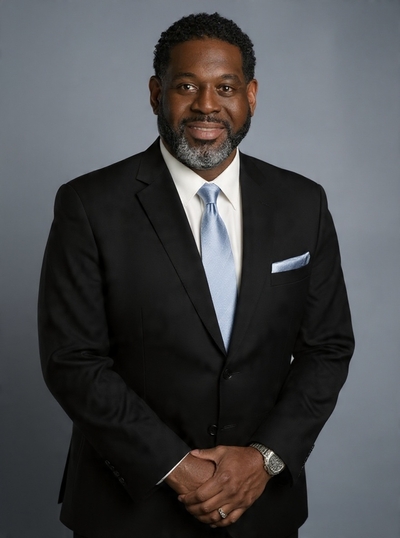
So Hines went to the barbershop one morning to find out why. A student told him they skipped because intervention was scheduled first thing in the morning. Hines said the school responded by moving that intervention block to “smack dab in the middle of the day.”
The story was one of several examples shared by three principals at a recent State Board of Education meeting about how their schools have improved attendance.
North Carolina’s chronic absenteeism rate remains well above pre-pandemic levels.
About 400,000 students were chronically absent during the 2024-25 school year, meaning they missed at least 10% of school days. That was about one in four students.
The statewide chronic absenteesim rate has fallen from a peak of 31.2% in 2021-22 to 24.3% in 2024-25. Still, students who are chronically absent miss about 30 days of school on average, according to the state Department of Public Instruction.
DPI has identified more than 300 schools statewide as “Bright Spots” based on improvements in chronic absenteeism. The schools range from elementary to high school, and their approaches vary.
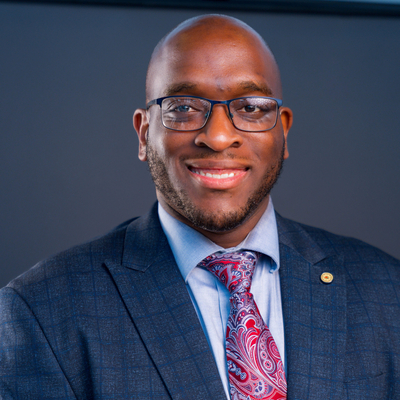
At Northwest Elementary in Pitt County, Principal Taimak Willis said staff focus on understanding what is keeping students out of school.
“We believe that people matter. So yes, we’re talking about students, but what about the parents? Once we find out that there are attendance issues, we deal with the students, but we go and make sure that the parents have all of the resources and things that they need,” Willis said.
Teachers are asked to alert school staff when a student misses two or three consecutive days. A social worker then contacts the family, and the school’s attendance team discusses next steps.
In one case, the school connected a mother who was struggling with her mental health to resources and helped connect the family with transportation and other resources so the students could get to school.
Northwest also has a family resource center that has basic supplies such as toiletries and is equipped with a washer and dryer. Willis said the center can help students whose circumstances outside school are affecting their attendance.
The school also has an interpreter that works closely with families, including by making home visits. Willis said some students who had struggled with attendance now come to the front office to eat with the interpreter because of the relationship she has built with them.
Hertford County Middle School divides students into three groups based on attendance, said Principal Elenia Riddick. Those attending regularly, those trending toward chronic absenteeism, and those who are already chronically absent.
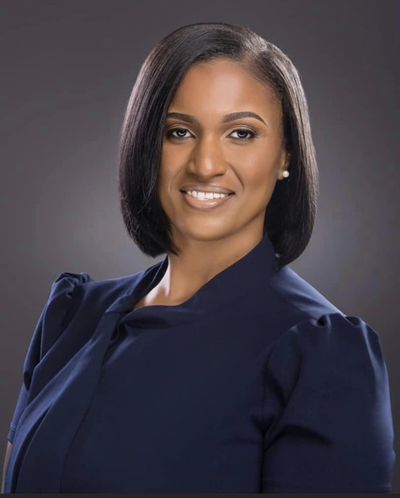
The school assigns an adult to check in with students in the two higher-risk groups each morning. If a student is absent, that adult calls the family to find out what happened and whether the school can help.
Building relationships with students and their families has been key to the school’s strategy, she told the board.
“What we really focused on at Hertford County Middle School was those personal check-ins, making those connections with students,” said Principal Elenia Riddick, “and they’re excited about coming to school when they know somebody is there looking for them.”
Riddick said the school also tries to recognize students whose attendance improves by at least 5% after the first nine weeks. For some students who do not typically receive awards at school, it’s a big deal.
Principal Hines also talked about efforts to make school more engaging. The school uses a house system modeled after the Ron Clark Academy, with students divided into teams that compete for points and recognition. The school plans to use attendance in the competition, with incentives for the house with the best attendance.
Hines says his students have quickly embraced the house system.
“We’re noticing just within the first three weeks of school that kids are all in,” Hines said. “They want to come to school. They want to do well for their house.”
The school has also tried to make activities more relevant to students. During a week focused on hip-hop, students learned about the music, attended pep rallies and dressed as their favorite artists.
Parents are being held responsible for their kids’ crimes under new laws
Parents get daily calls showing whether their children attended school or arrived late. Social workers also make home visits. The school has partnered with outside providers to offer health and mental health services on campus.
Hines said some students miss school because they have responsibilities outside of it. Some care for younger siblings while their parents work. Others work to help support their families. Many parents work second- or third-shift jobs, making it harder for them to be involved with the school.
Shaun Kellogg, who leads DPI’s Office of Research and Promising Practices and the state’s AttendNC Counts initiative, said there was no single attendance program shared by the schools identified as “bright spots.”
The state has been studying those schools to understand what is behind their improvements. This summer, Kellogg and a colleague interviewed principals, counselors, social workers, data managers and other staff at seven bright spot schools.
“The numbers indicated that something special was happening,” Kellogg told the board, “but the numbers don’t tell us why.”
Raleigh, NC