Sparks fly during town hall debate over property tax-cutting Amendment 3
Sep 10, 2026 | 4:16 pm ET
Description
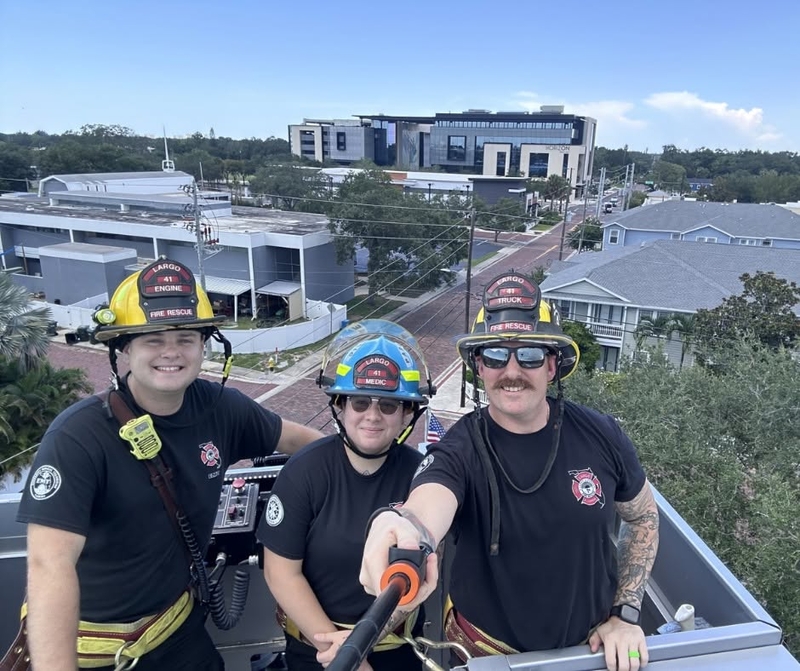
Largo Fire Rescue members. (Photo via City of Largo's Facebook page)
A town hall discussion Wednesday night of the proposed constitutional amendment to reduce homestead property taxes sparked sharp exchanges between two Pinellas County Republicans.
The conversation took place in Largo, the third largest city in Pinellas and fourth biggest in the Tampa Bay area with a population of more than 84,000. City officials caution that if Amendment 3 passes in November, it would reduce the city’s budget by $10 million in its first year and more than $15 million by its second.
Local governments throughout Florida are conducting similar “community conversations” with the public ahead of the Nov. 3 general election. In other cases, county commissions are holding budget workshops on the potential financial effects if the proposal is approved. In all cases, those officials have to ensure that they are not advocating a policy position.
If Amendment 3 receives the 60% approval required for passage, the proposal would increase the homestead exemption to $150,000 in 2027 and to $250,000 in 2028, but the portion of property tax bills that pay for schools would be excluded from the increased exemption. The research arm of the Florida Legislature estimates it would reduce revenue by as much as $12 billion annually.
Participating Wednesday were former Pinellas Republican state Sen. Jeff Brandes, a noted critic of the proposal, and sitting Pinellas House Rep. Berny Jacques, a strong supporter.
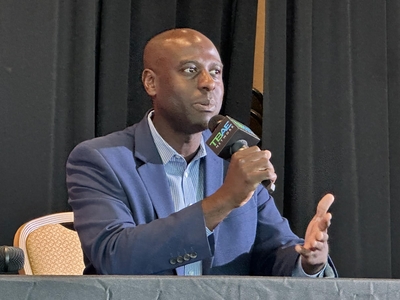
Jacques was not originally slated to be there but was included after he wrote a letter to Largo Mayor Woody Brown complaining that including a prominent opponent like Brandes exclusively in a government meeting would give the appearance the city was electioneering on the taxpayer’s dime.
The meeting began with a detailed explanation by Largo officials — including Police Chief Mike Loux and Fire Chief Matt Carpenter — about how the amendment could harm city services. Then Jacques got his first crack at the mic, and he wasn’t forgiving, accusing city leaders of “using public safety as a scare tactic.”
“The evidence is clear that the city was prepared to use taxpayers to tell you, the taxpayer, that a tax cut is bad. And they would have gotten away with it if it wasn’t for a meddling state representative,” Jacques said, generating light applause from the audience.
“And something tells me that they’re still trying to do it, and this is evidenced by the fact that the leaders of City Hall brought forth the chiefs of the two most popular departments of the city to tell you that property taxes, if it’s cut, will somehow harm the things that we care about the most, which is public safety. As if there aren’t any other places where cuts can be had.”
Essential services
Florida House Republicans approved language during the legislative session that would have banned local governments from reducing funding for law enforcement, firefighters, and first responders below the level in either fiscal year 2025-26 or 2026-27, whichever was higher. However, the Senate never approved that proposal and it died during the session.
That’s in part why organizations representing law enforcement have come out in opposition to the measure. In July, the Fraternal Order of Police said Amendment 3 “creates far too much uncertainty about how local governments would continue to fund law enforcement, fire rescue, emergency medical services, and other critical public safety functions. Public safety should never become collateral damage with uncertain fiscal consequences.”
Brandes said the state needs property tax reform, but argued that Amendment 3 is not the vehicle to get there. He maintains that if the measure becomes law, Florida homeowners will not get the tax cut they are being promised but will have to adapt to a tax shift.
“We’re already seeing this,” he said, noting that the City of St. Petersburg is already considering a special assessment to help pay for fire services that could offset property tax cuts. There is a strong possibility, he said, of new fees on stormwater management, utility charges, and other essential services.
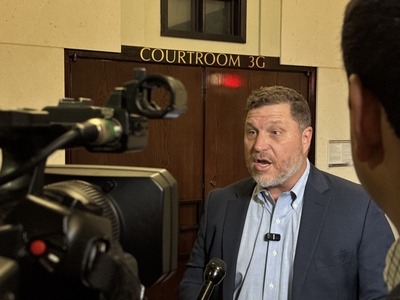
Florida’s Republican leadership in Tallahassee strongly supports the proposal. Chief Financial Officer Blaise Ingoglia has gone around the state over the past year calling out local governments for what he sees as “wasteful and excessive spending,” alleging their budgets have exceeded population growth and inflation.
Local officials like Largo City Manager John Curp insist inflation isn’t the best way to gauge the cost of providing certain basic services, citing a 25% increase in fuel prices and the cost of gear for firefighters going up by more than 50%.
Jacques emphasized that local government officials are overplaying how drastic the reductions to their budgets would be. He brought props, displaying a pie chart showing that of all the property taxes Largo takes in, 19% come from homestead taxes, and less than 4% of total revenues.
“They want to use our great men and women in public safety as the chief example, make an example of them, and unnecessarily cut them,“ he said. “That is a choice that they chose to make because they do not have to make it when 80% of funds left to fund critical government functions, public safety being at the top of it.”
‘That’s what makes us a great city’
Brandes interjected.
“So, in your mind, if we say police and fire is totally protected, and EMS is totally protected — all of that is totally protected — all of the cuts from somewhere else? Right? Is that what we’re saying?”
He went on to say that if public safety is taken off the table, then cuts must come from services that people enjoy about living in Largo.
“You love Largo because of the parks and the library and the recreation centers, right? That’s what makes us a great city,” he said, generating applause.
Largo Mayor Woody Brown argued the definition of “public safety” goes beyond police and fire to include the city’s wastewater treatment plant, street and stormwater crews, and building inspectors. The stuff that would be “easiest” to cut are the most popular, he added.
“These aren’t scare tactics — these are reality cuts,” he said.
“As Sen. Brandes said, we will survive, but we will not be the same city. Our residents appreciate our superior services. I mean, it’s in our motto, right? So, we provide superior services that instil community pride. We’d love to keep doing that. If this passes, it would be very difficult if not impossible to continue to service that motto.”
Tallahassee, FL