S&P upgrades West Virginia bond rating
Nov 26, 2026 | 6:00 am ET
Description
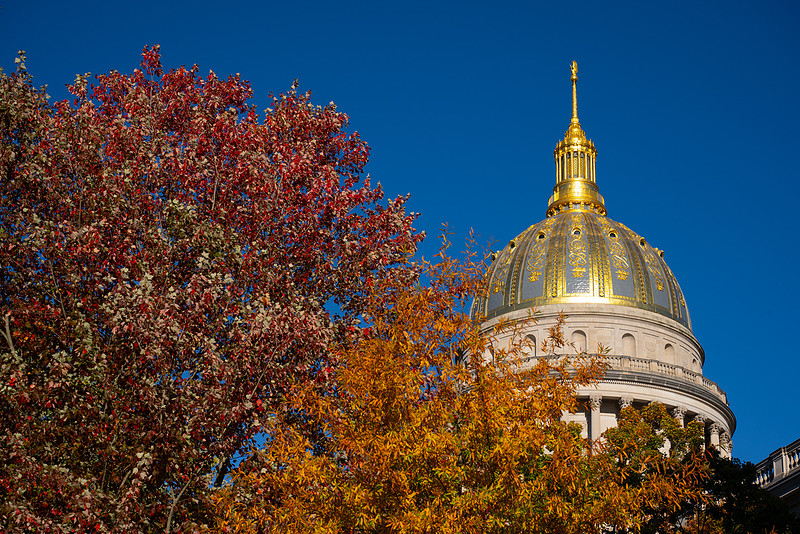
The West Virginia State Capitol in Charleston, West Virginia. (West Virginia Legislative Photography)
Standard and Poor’s has upgraded West Virginia’s bond rating for the first time in 15 years.
Gov. Patrick Morrisey announced the upgrade from AA- to AA, crediting the state’s tax cuts, fiscal discipline and $2 billion Rainy Day Fund for the move.
“We’re cutting taxes, living within our means, and laying the foundation for long-term economic growth, and Wall Street is taking notice,” said Morrissey. “By maintaining fiscal discipline, protecting our reserves, and making smart investments that will grow our economy, we’re putting West Virginia on stronger financial footing. A higher credit rating means the potential for lower borrowing costs and more taxpayer dollars staying in West Virginia communities.”
Bond ratings affect the state by making it cheaper for the government to borrow money for infrastructure projects like roads.
It’s like a credit rating a person might have when they go look for a car. Typically, people don’t have $30,000 on hand to buy the newest Toyota Camry, so they have to take out a loan and make payments.
The state has to do the same for its roads and bridges. And like a car loan, the state has to also pay on interest for those projects.
A higher bond rating means lower interest rates.
But part of achieving that bond rating involves having reserves on hand in the form of the Rainy Day Fund, which hasn’t been tapped since 2017. That fund is a proverbial piggy bank that’s only to be cracked in case of emergencies.
But what constitutes an emergency appears to be up to interpretation by state leaders.
In 2025, Democratic lawmakers had proposed dipping into it to address flood preparation and recovery, but it was shot down. Floods killed 12 people in the state that year.
This year, Democratic and Republican lawmakers proposed taking $250 million from the Rainy Day fund to address the water sanitation crisis in the southern part of the state. That proposal ultimately went nowhere.
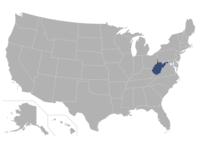
Charleston, WV