Smart policy, not online storefronts, is the cure for Ohio’s obesity crisis
Jul 30, 2026 | 3:30 am ET
Description
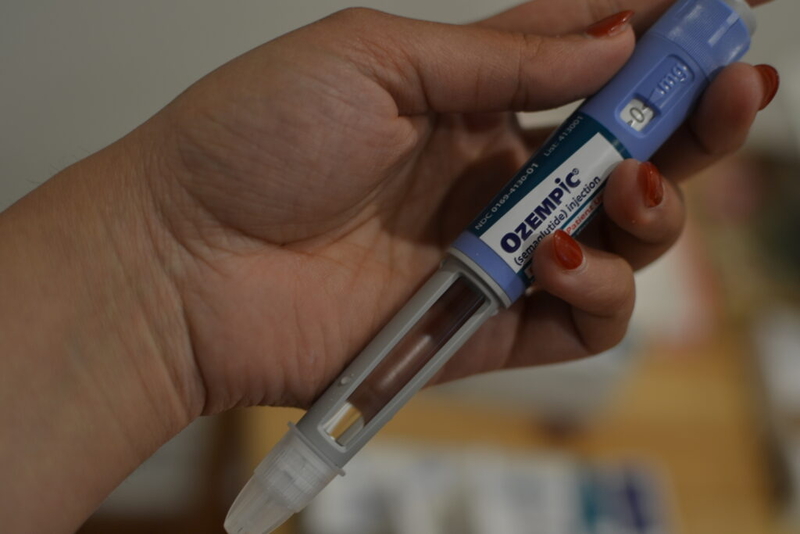
A woman takes out an Ozempic pen. (Photo by Shalina Chatlani/Stateline.)
More than 3 million adults in Ohio (nearly 37% of our population!) live with obesity. This is not a personal failing; it is a complex, chronic disease crisis that is worsening each year and demands a focused, statewide intervention.
Fortunately, we are entering an era of unprecedented medical advancement. The advent of GLP-1 receptor agonists is a game-changer. As an obesity care physician, I see firsthand how these innovative medications transform lives by reducing the risk of diabetes, heart disease, and stroke while supporting weight management.
Ohio is uniquely positioned to leverage these FDA-approved treatments to improve population health, provided we lead the way in ensuring their safe and appropriate use to improve metabolic health of those affected.
In Ohio, pediatric obesity care is anchored by our world-class children’s hospitals, as it should be. Our state’s pediatric health centers carefully evaluate patients, recognizing that mental health and disordered eating behaviors must be considered before prescribing GLP-1s to anyone under 18.
For adults, however, a critical barrier remains: when insurance coverage is denied or unavailable, patients are often driven to seek alternative, unverified options.
This lack of legitimate, affordable access to GLP-1 medications has turned the online landscape into a digital Wild West. This will lead to highly variable care, that could have more risk and is not connected to a patient’s primary provider.
At the same time, Ohio has a golden opportunity to expand access to safe, equitable GLP-1 coverage through Medicaid for our most vulnerable citizens.
The Centers for Medicare & Medicaid Services (CMS) Innovation Center recently established the BALANCE (Better Approaches to Lifestyle and Nutrition for Comprehensive hEalth) Model.
Under this five-year demonstration project, participating states directly receive significant, federally negotiated manufacturer rebates without any effort.
BALANCE will also provide patients with no-cost lifestyle and nutrition support programs to maximize the drug’s effectiveness.
The registration deadline for the BALANCE model is Jan. 1, 2027.
Integrating coverage of FDA-approved obesity medications into Medicaid is a critical step toward ensuring that lower-income Ohioans have access to affordable, science-based obesity treatments — in the same way that Medicaid beneficiaries have access to proven therapies to manage other chronic diseases, such as hypertension or asthma.
While some policymakers hesitate over the upfront cost of these medications, the fiscal and human toll of inaction is far higher.
However, other states such as Missouri and Louisiana recognize obesity as a chronic disease that demands a comprehensive battle plan, and both have taken steps to provide Medicaid coverage for these critical treatment tools.
Obesity is a medical condition that increases the risk of costly chronic conditions, including diabetes, heart disease, and stroke. It requires evidence-based treatment, and Ohio’s health systems are prepared to deliver it.
By joining the BALANCE program and tightening regulations on reckless online providers, we can reverse the rise in obesity rates and chart a healthier future for all Ohioans.
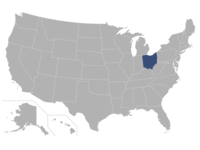
Columbus, OH