See The Portable Pool That Could Help Prevent Hawaiʻi Youth Drownings
Sep 29, 2026 | 6:01 am ET
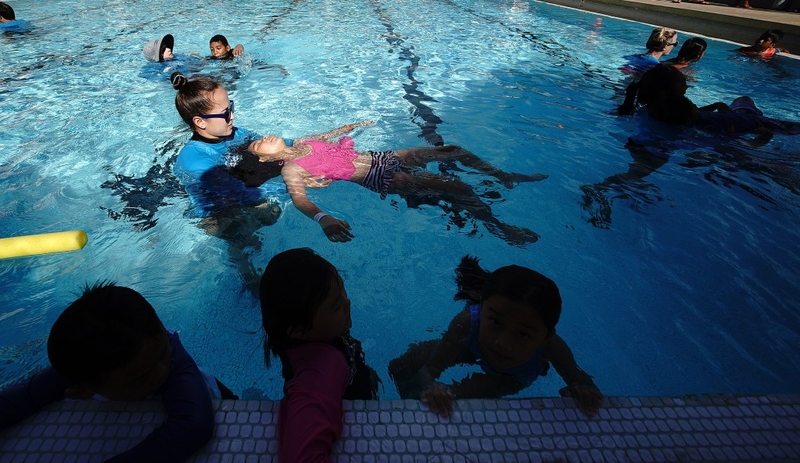
Description
Photo courtesy of Honolulu Civil Beat
With no public pools on the Westside of Oʻahu, one nonprofit has found a creative way to bring swimming lessons to young students who need them the most.
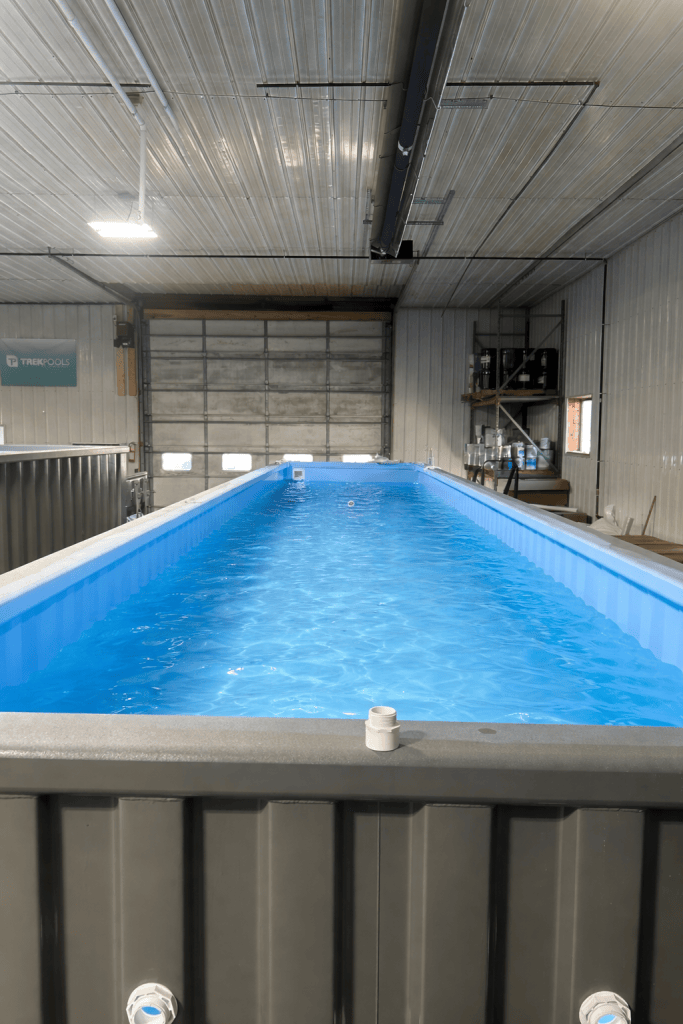
Nā Kama Kai, a nonprofit focused on ocean-based education, plans on using a first-of-its-kind mobile pool to bring swimming lessons to elementary school students to the Leeward Coast. The portable pool, which looks like a gray, 40-foot storage unit, will allow the organization to teach students basic swimming skills before transitioning to outdoor lessons at Pōkaʻī Bay.
The nonprofit can now build on the free water safety lessons it has offered to students at six Nānākuli and Waiʻanae schools since last year, chief operations officer Matthew Kauwe said. The nonprofit received funding from the Abigail Kawānanakoa Foundation and the Matson Giving Program to purchase the pool, transport it from the mainland and install it on Oʻahu — which Kauwe said cost about $90,000.
"We're targeting elementary because the younger we go, the better," Kauwe said. "That stuff, it can help save lives."
He added the nonprofit is working with the education department to bring the pool to more schools in the future. Last year, its program served more than 400 fourth graders.
The initiative is part of community efforts to address drowning, which is the leading cause of death for Hawaiʻi children ages 1 to 15, a crisis Civil Beat examined in an award-winning 2025 series. Roughly half of the state's children don't know how to swim, with some families having limited access to affordable lessons or public pools in their communities.
A 2019 assessment of second graders on Oʻahu, Kauaʻi and Maui found that only 2% of surveyed students had basic water safety skills like treading water, swimming and floating.
The state also has the second-highest rate of resident drownings in the nation, disproportionately among Native Hawaiians and Pacific Islanders.
Some advocates have called for the state education department to teach young children to swim. In 2025, a bill would have required the department to work with community partners to provide water safety lessons to schools with local pools nearby. The bill died when it failed to receive a hearing in the Senate Education Committee, chaired at the time by former Sen. Michelle Kidani.
This year, lawmakers introduced resolutions asking the education department to offer basic swimming lessons to students. But those proposals also died when they failed to receive a hearing in the House and Senate Education Committees, chaired by Rep. Justin Woodson and Sen. Donna Kim.
The department has pushed back on some legislative proposals in the past, arguing it has limited funds to offer lessons to all students or transport them to pools or beaches. As of 2025, only eight Hawaiʻi public schools had pools on campus. All elementary schools are required to review water safety materials with their students, although advocates say it's a poor substitute for getting kids in the water and teaching them how to swim.
But some community organizations are making progress in partnering with the education department and expanding their offerings. For example, the nonprofit Palekana Aquatics Academy is building on a previous pilot program offering water safety lessons at Pālama Settlement's pool and plans on serving five schools this year.
"We know there's a lot of challenges," Palekana Aquatics Academy executive director Dan Worden said about families' access to lessons. "We definitely view water safety as a lifelong skill."
Families do have access to free swimming lessons through the City and County of Honolulu, but programs are in high demand and tend to fill up quickly. As of Monday, an introductory swim class for children at Mānoa Valley District Park had more than 20 kids on its waitlist.
Although Oʻahu has no public pools on the Westside, the city held a community meeting on the development of a pool at Kahuku District Park earlier this year.
Honolulu, HI