Scholar seeks to correct the record on death of Rutgers student Tyler Clementi
Sep 22, 2026 | 2:15 pm ET
Description
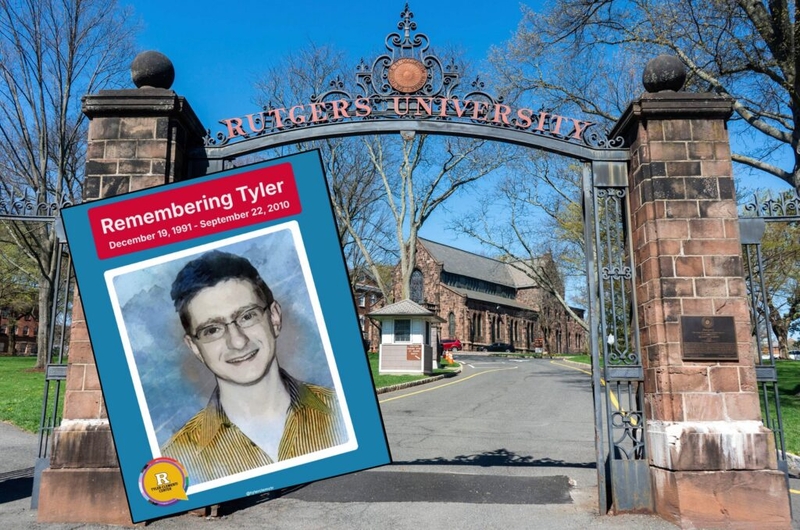
Rutgers University freshman Tyler Clementi died by suicide 16 years ago. A new book out next year explores the aftermath of his death. (Rutgers photo by Daniella Heminghaus)
When Rutgers University freshman Tyler Clementi died by suicide 16 years ago, reporters from around the world rushed to tell the story, a narrative that often suggested the university was negligent or uncaring and that his roommate’s actions caused his death.
But independent LGBTQ+ scholar Judy Farmer Jarvis, a Lawrenceville resident, said the media coverage of Clementi’s death was incomplete, oversimplified, and polarizing. She hopes to correct the record with her book, “Untold Stories: Tyler Clementi’s Death and Crisis Leadership in Higher Education,” scheduled to be published by Rutgers University Press in May 2027.

“Tyler’s death and all the crisis response work that followed was well known but poorly understood,” Jarvis told the New Jersey Monitor.
Jarvis, a student affairs leader at the University of Pennsylvania, said she will donate all book proceeds to organizations that support LGBTQ+ youth.
She interviewed 16 people for the book, including members of Clementi’s family and Rutgers staff who had never spoken publicly about the incident, and explores themes that didn’t get press coverage at the time.
Clementi died Sept. 22, 2010, when he jumped from the George Washington Bridge several days after his dormmate livestreamed and viewed an intimate encounter Clementi shared with another man. The dormmate and others then ridiculed Clementi about his sexuality on social media, conversations they later tried to distort or cover up. The dormmate pleaded guilty in 2016 to a single privacy invasion charge, paid a fine, and spent 20 days in jail.
Jarvis said one of the biggest misconceptions about the incident was that Rutgers was a homophobic institution that failed to support Clementi or his family following his death. While her book is focused on the aftermath of his suicide, Jarvis said the college had quickly responded to concerns Clementi raised about his dormmate, and it has long supported gay students.
The work done in the aftermath of Clementi’s death by crisis response teams and advocates led by the Rutgers LGBTQ+ student resource center, founded in 1992, is part of the reason there were no copycat suicides, Jarvis said, something she called “just remarkable.” The university also held multiple vigils and forums on antibullying and inclusion.
“On the ground, Rutgers was doing some really important and best-practice supported work. However, one of their greatest failures is they were not able to well express that to the media,” she said.
Jarvis said her research, personal experiences, and past work at an LGBTQ+ student center have shown her the critical role on-campus support services can play in the lives of gay and transgender students, including helping to reduce suicidality and other self-harm.
“To have hubs where people can go for education, support, empowerment, those are really essential, and having visibility and clear names is very essential. I think we just still have a lot of work to do as a nation around empathy for identities that we don’t have,” she said.
While some media coverage portrayed Clementi’s family as at odds with Rutgers, Jarvis said that wasn’t the case. Although they filed a legal notice allowing them to sue the school, they never did, and Tyler’s mother, Jane Clementi, told Jarvis the family felt well supported by the university. While the Clementi family wanted his dormmate and others held accountable for bias intimidation and bullying, Jarvis said Jane Clementi also understands many factors contribute to a suicide.
“In her mind, and in the mental health professionals’ minds, suicide is so complicated. There can be things that bubble up, like depression and anxiety, but it’s usually never a single cause,” Jarvis said.
Clementi’s death prompted New Jersey to strengthen its antibullying laws, already considered some of the toughest in the country. In 2011, then-Gov. Chris Christie expanded the existing statute to require colleges and universities have clear policies on harassment, intimidation, and bullying, protections that had previously existed in K-12 schools.
Clementi’s family also founded the Tyler Clementi Foundation, which works with schools, sports teams, workplaces, and churches to reduce and respond to harassment. The foundation is also advocating for national antibullying legislation in Clementi’s name that would require higher education programs to have clear policies on harassment, like under New Jersey’s law.
Rutgers created the Tyler Clementi Center, which highlights his story, describing him as a gifted musician excited for his freshman year, and hosts programs to diminish harassment, reduce bias, and help people from different backgrounds better connect.
Jane Clementi, the foundation’s president and CEO, was not available to comment. At a media event in November with the Rutgers center named for her son, she said the work to reduce bullying remains critical.
“I am still hopeful that we will see and create a possible shift where kindness, respect, and compassion prevail, and where it’s not just the cultural exception but rather where kindness becomes the cultural norm,” she said.

Trenton, NJ