SC senators vote to suspend law requiring alcohol insurance for bars, restaurants
Apr 23, 2026 | 5:00 am ET
Description
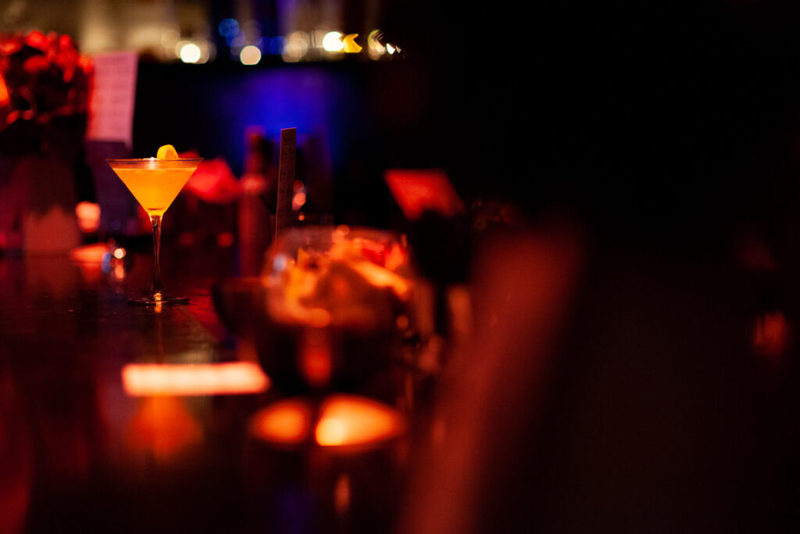
Senators voted Wednesday, April 22, 2026, to suspend for one year a state law requiring bars and restaurants to have a $1 million minimum insurance policy for serving alcohol. (Stock photo by Kevin Trimmer/Getty Images)
COLUMBIA — Senators voted Wednesday to suspend state law requiring minimum insurance coverage for bars and restaurants, claiming a law they passed last year intended to lower rates and keep businesses open only worsened the problem.
Senators added the clause to their draft of the $15.3 billion spending plan in a voice vote. It would mean a one-year suspension of any insurance requirements for serving alcohol, called liquor liability. Whether the clause survives to the final spending plan remains to be seen. The House must still agree.
SC governor celebrates new law aimed at reducing insurance costs for restaurants, businesses
Senate Majority Leader Massey, who proposed the pause, stressed that it’s not intended to fix the problem.
The hope is that it will force legislators to come up with a solution before the suspension ends with the June 30, 2027, close of the fiscal year. The Edgefield Republican said he doesn’t want to extend it.
Legislators decided last year they had to do something to lower insurance costs for bars and restaurants, pointing to a 2017 law that required all bars and restaurants that served alcohol past 5 p.m. to get a liquor liability insurance policy that covered at least $1 million in damages in case a customer left drunk, crashed and injured or killed someone.
The minimum caused premiums to rise and insurers to leave the state, increasing the cost of policies and driving bars and restaurants out of business or keeping them from opening altogether, business owners said.
In the compromise reached last year between the House and Senate, legislators left the $1 million minimum in place but created tiers that bars and restaurants could meet to lower their coverage and, legislators hoped, their premiums.
For instance, a restaurant where alcohol accounted for less than 40% of total sales could knock off $100,000 from the minimum. Closing before midnight was an option for reducing coverage by $250,000. At least, that was how it was supposed to work.
The problem is that no insurer actually offers such policies, Massey said. That forces bars that might otherwise qualify for the lower costs to continue paying top dollar, while premiums keep rising, he said.
And the law’s training program for employees who serve alcohol, which was supposed to reduce costs, only complicated what insurers were already requiring, he said.
Insurance crisis is stopping new restaurants from opening, restaurateurs say
The House wanted “a mitigation plan,” Massey said.
“That has been an unmitigated disaster,” he said.
Sen. Brian Adams has experienced that firsthand, he said. He is in the process of opening a bourbon bar in Summerville, but he couldn’t find an insurance company willing to cover the bar for less than the $1 million minimum, despite the bar meeting qualifications for a reduction.
“They said either they’re going to cover us for $1 million, or they will not cover us,” the Goose Creek Republican said.
Lifting the law entirely isn’t ideal, Massey said, acknowledging a better option could be to cut the minimum to $500,000.
But a budget directive can’t change permanent state law. It can only suspend law for the fiscal year.
With just three full weeks remaining in this year’s session and no bills on the issue actively in the works, it’s too late to introduce a new bill and get it through the entire legislative process. And the law that passed last year was already a compromise that did more than the House wanted and less than the Senate wanted.
Massey said at the time that legislators would need to revisit the law at some point. He just didn’t realize how soon that would be, he said Wednesday.
Last year’s law just took effect Jan. 1.
But waiting on it to work will backfire, Massey argued.
“It’s a fight we’re going to have to have, or we’re going to lose more and more businesses,” he said.
Removing the requirement that bars and restaurants maintain a certain level of insurance for serving alcohol could mean if an accident did happen and the business couldn’t afford to pay for it, anyone harmed wouldn’t be able to collect what they were owed, several senators said.
“If something were to happen and it was on that business, we would be saying essentially to those victims of that, ‘Oh well, we’re trying to fix an issue. Sorry, you don’t get to recover anything for your damages,’” said Sen. Ronnie Sabb, a Greeleyville Democrat and personal injury lawyer.
But the law is punishing bars doing nothing wrong along with those that are likely to overserve a customer and lead to an accident, Massey replied.
“The effect of the General Assembly’s actions has been to punish all the good guys,” Massey said. “In an attempt to get the bad ones, we have more severely punished the good ones.”
Columbia