SC legislators’ effort to restrict THC hemp products depends on Congress
Jun 01, 2026 | 7:00 am ET
Description
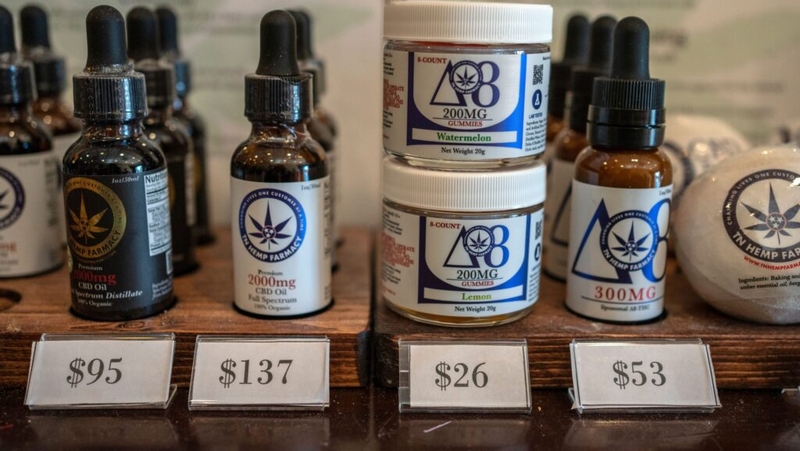
Hemp-derived THC products, including those with the THC compound delta-8, will be illegal in Tennessee as of July 1, 2026. Like South Carolina, Tennessee has not legalized marijuana. (Photo by John Partipilo/Tennessee Lookout)
Palmetto Family Alliance is proud to defend and strengthen families across South Carolina. Through research, advocacy, and community engagement, we work to make South Carolina a better place to live, work, and raise a family.
The 2018 farm bill carried real promise for the farming families we serve. The legislation aimed to support farming communities by reauthorizing critical agricultural programs and opening a new economic avenue by authorizing hemp. From fiber to grain to oil, it represented a genuine opportunity for South Carolina’s agricultural community to grow and diversify.
But rather than serving farm families, the legislation was abused by bad actors who saw a different kind of opportunity. The authorization of hemp created a pathway for delta-8 THC, a potent intoxicating compound, to enter the market completely unregulated.
With no age restrictions, no labeling or packaging requirements, and no regulatory framework whatsoever, these actors introduced countless intoxicating hemp products to our communities, putting South Carolina families directly in harm’s way.
SC needs hemp regulations that protect businesses and customers
The public health consequences of these products are serious and well-documented.
Delta-8 THC is marketed as just another version of the THC in marijuana (delta-9 THC), but the FDA warned of dangerous side effects, including hallucinations, tremors, and loss of consciousness, and has not approved any hemp-derived THC product for safe use.
On top of that, the loophole created no quality control requirements for hemp products with delta-8 THC.
News outlets have reported that these products are contaminated with mold, pesticides, and fungus, while independent testing has shown up to 95% of intoxicating hemp products contain synthetic THC, which can be up to 30 times more potent than natural THC, and is not even coming from hemp farmers.
Most troubling of all, the children of South Carolina have been made a deliberate target.
These products can be sold at gas stations and convenience stores. Bad actors have purposefully put these intoxicating hemp products within easy reach of minors, selling them in brightly colored packaging that mimics popular snack and candy brands.
We saw the consequences of an open loophole play out here in South Carolina just last year. Under Operation Ganjapreneur, Attorney General Alan Wilson announced the seizure of more than 30,000 pounds of illegal products, including intoxicating THC products deliberately designed to appeal to children and teenagers.
While that operation was a significant law enforcement victory and undoubtedly helped save lives, it also made clear that more had to be done to protect children from these products.
The consequences of exposing children to these products are nothing short of devastating. Research has linked this deceptive packaging practice to a 1,375% increase in accidental edible cannabis exposure among children under the age of 6.
The FDA also found that between Jan. 1, 2021, and May 31, 2022, 83% of national poison control center reports for edible products requiring medical care involved pediatric patients.
Hemp growers, retailers targeted in section of government shutdown legislation
We applaud Congress for recognizing the harm caused by the hemp loophole and for taking swift action to close it in last year’s continuing resolution and minibus appropriations package. These efforts are essential to helping keep families and children safe from falling prey to these alluring products.
We are deeply concerned, however, that industry lobbying may now be pressuring Congress to reverse that decision.
As an organization rooted in faith and committed to protecting the families we serve, our position is clear: keep the loophole closed and ban intoxicating hemp products from our communities.
The evidence of harm is overwhelming, and the industry has forfeited any claim to responsible conduct.
Ensuring the loophole stays closed and removing these products from circulation sends a clear message: our children and families come first.
Keeping the federal loophole closed also gives states like South Carolina the foundation they need to act. Without it, any state-level effort to regulate or restrict intoxicating hemp products is undermined from the start.
The state Legislature is currently debating legislation in conference committee that would sharply restrict where and how THC products can be sold in our state.
While Palmetto Family Alliance supports a total ban on these dangerous products, that effort cannot succeed if Congress reopens the federal loophole allowing these products to flow back into our communities unchecked.
Columbia