Rhode Island health officials report year’s first confirmed measles case
Apr 20, 2026 | 5:52 pm ET
Description
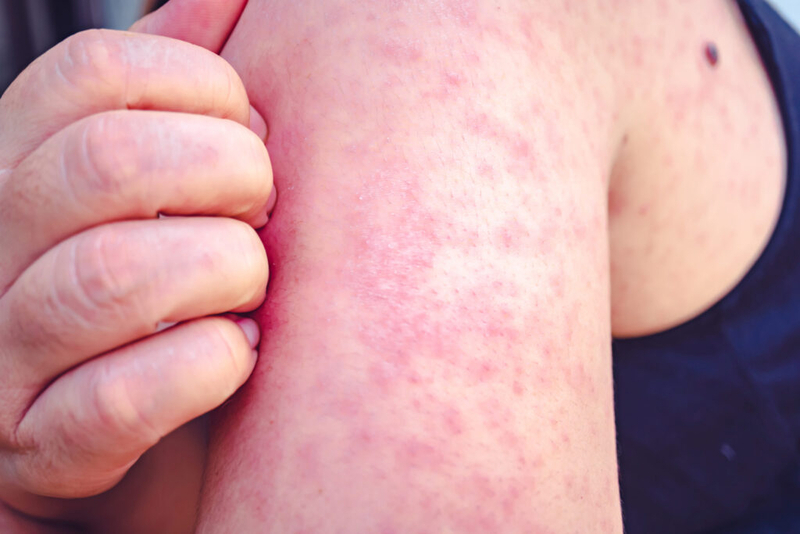
A red, blotchy rash that is the trademark symptom of measles is shown. People are contagious for four days before and after the rash appears. (iStock/Getty Images)
Rhode Island’s first confirmed case of measles in 2026 was identified over the weekend.
The Rhode Island Department of Health announced Saturday that the case involved a man in his 40s from Providence County, who returned to Rhode Island on April 13 after traveling abroad. Two days later, on Wednesday, April 15, the man went to Atmed Treatment Center in Johnston, where he tested positive for measles.
The health department is alerting customers and staff at Panadería El Quetzal — a Guatemalan bakery at 445 Hartford Ave. in Providence — that they may have been exposed to the illness if they were there on April 15 between 4:30 p.m. and 6:30 p.m.
The health department said it is working with the bakery and Atmed to notify people who were potentially exposed. Also notified was the Division of Global Migration Health within the U.S. Centers for Disease Control and Prevention (CDC), to help identify and alert any passengers who may have been exposed during travel.
The man, now recovering at home according to the health department, is the state’s first confirmed case of measles since January 2025.
People who may have been exposed and who have become symptomatic should first call a health care provider before arriving at a doctor’s office, clinic or emergency department, the health department warned, because an in-person visit could expose others.
Measles evolved from a now-eradicated, cattle-only virus called rinderpest. Other viruses in this family, known as Morbilliviruses, affect dogs, cats, seals and cetaceans like dolphins.
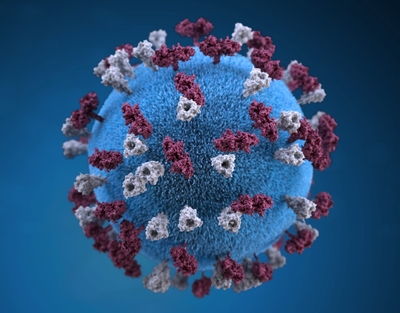
Measles is known for being highly contagious, and spreads through the air easily via an infected person’s breathing, coughing or sneezing. It can linger in the air for up to two hours, and the CDC estimates that up to nine out of 10 nonimmune people can get infected via close contact with a measles-infected person. It does not spread easily via objects.
The symptom timeline for measles can complicate infected people’s awareness of having the illness. Initial symptoms usually include a high fever, cough, runny nose and red, watery eyes, followed by the rash, which tends to start on the face and move downward over the trunk. People are contagious for four days before and after the illness’ trademark rash appears.
Care is mostly supportive, as no antiviral medication exists. Complications can include pneumonia, ear infections and respiratory illness.
The health department noted, however, that people are unlikely to get sick if they have had measles before or have received two doses of the measles, mumps and rubella vaccine. These vaccines are typically administered in infancy and again early childhood.
State health officials noted that Rhode Island’s kindergarten measles, mumps and rubella vaccination rate is about 97%.
“Measles is almost entirely preventable through vaccination,” health department Director Dr. Jerry Larkin said in a news release issued Saturday. “Any parent or guardian who has a child at home who is older than a year old and has not been vaccinated against measles should talk to their child’s healthcare professional. For any family with insurance issues or trouble accessing care, RIDOH can make vaccine available at no cost.”

Providence, RI