Religion, politics and West Virginia
Oct 07, 2025 | 5:55 am ET
Description
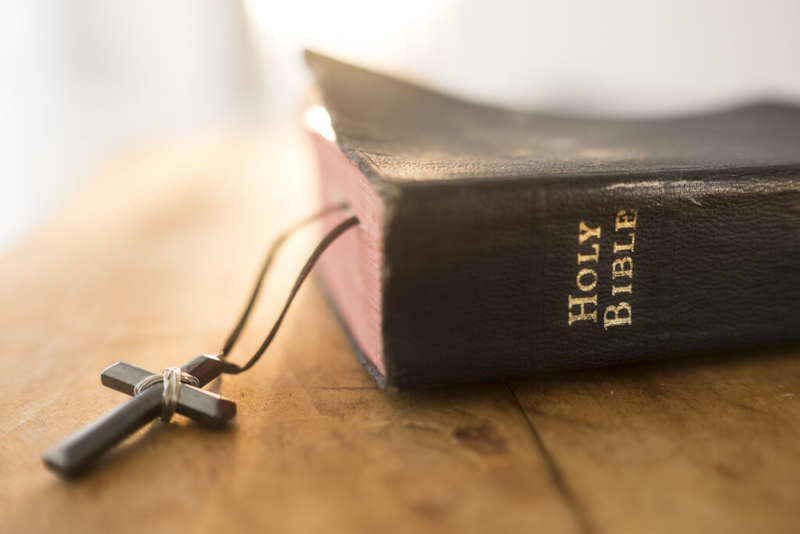
The number of West Virginians who identify as Christian has dropped by 16% since 2007. (Photo by Getty Images)
“Today, many (although not all) religious right Christians believe Jesus dislikes LGBTQ persons, immigrants, liberals, elites, science, welfare, MSNBC, wokeness, critical race theory, Joe Biden, non-Christians, and Democrats.” — Rev. Martin Thielen
Martin Thielen stated the above pre-election, in February of 2024.
As a Methodist pastor in Arkansas and Tennessee, his view is that religion is being waylaid by the right to promote a philosophy which is the opposite of what Jesus preached. He decries religion’s use as a political tool. Thielen details his views in a Methodist publication.
A Pew Research Center study analyzed how religion was changing in West Virginia and the U.S. The findings were somewhat surprising in view of the way that the MAGA movement is marketing itself as bringing religion back, especially in red states like West Virginia.
Religion is generally falling in importance for West Virginians, 70% deeming it important in 2023 versus 89% in 2007. Even more interesting is the data regarding observance — 51% of West Virginia’s adults seldom or never attended services in 2023. That is significantly more than 2007, when only 41% did not attend. The figures for the U.S. overall were telling, with nearly half (49%) stating that they did not go to services in 2023.
In 2007, 78% of adults in West Virginia indicated that they were Christians. But in the short space of 16 years, that figure had fallen to 64%. And only 62% in the U.S. identified as Christian in 2023. In 2007, there were only 2% of West Virginia residents identifying as “other religions;” half of these were Jewish. By 2023, that figure had risen to 3%, with 1% being Buddhist.
In 2023, 86% West Virginians believed in God. But the number was even higher in 2007 — 93%. And the number who were “absolutely certain” in God’s existence dropped tremendously from 76% to only 56% in 2023. The 2023 figure was even lower for all U.S. residents, only 54% were certain.
There was also a major change in the number of residents who classified themselves as “religiously unaffiliated.” The figure for West Virginia was only 19% in 2007, but it grew to 31% by 2023. That figure was slightly lower for the U.S. — 29%.
Views are also changing regarding some items which have religious aspects. For example, in 2007 much less than half (38%) of state residents believed that abortion should be legal in all or most cases. That figure had risen significantly to 54% in 2023 for West Virginians, and 64% nationally, which brings into question the popularity of the extreme MAGA anti-abortion position.
In 2014, more than half of West Virginians (51%) opposed same-sex marriages. That figure fell to 44% for the state and 32% for all Americans.
The bottom line is that both the U.S. and West Virginia are becoming less religiously oriented, despite MAGA politics. Along with that change, our residents’ views on key social issues are becoming more progressive versus past years. It also reinforces my own view that the GOP did not win the presidency based on their opposition to “wokeness.” The 2024 election was won due to inflation and economic issues, as well as former President Joe Biden’s failure to control the southern border. Plus, Biden’s failure to resign back in 2023 and hand the reins of government over to former Vice President KamalaHarris.
Charleston, WV