Public comment period opens as company seeks state permits for uranium mine
Oct 28, 2026 | 6:10 pm ET
Description
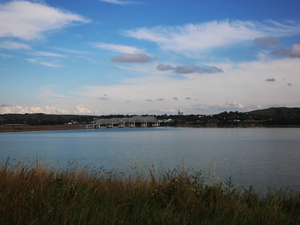
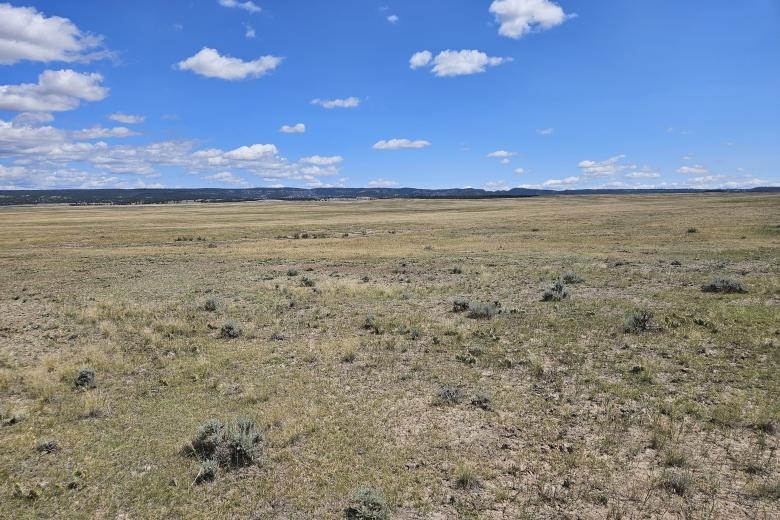
The site of the proposed Dewey-Burdock uranium mine in Fall River County, South Dakota. (Courtesy of U.S. Bureau of Land Management)
Listen to an audio version of this story produced by reporter Meghan O’Brien. Broadcasters: See below for a downloadable version with a host intro script.
A company that wants to mine for uranium in southwestern South Dakota is restarting its state permitting process and preparing for a public hearing after securing federal permits earlier this year.
Uranium is a metallic, radioactive element used as fuel in nuclear weapons and nuclear power plants. Interest in uranium exploration and mining has risen recently. That’s in response to nuclear energy’s potential to supply electricity for data centers.
The Dewey-Burdock project would cover nearly 20 square miles in Custer and Fall River counties along the southern edge of the Black Hills, 13 miles from the city of Edgemont. Legal challenges have kept the project in a 14-year stalemate since its initial application for a state permit.
“We stand by our commitments to work together to see that the local communities and State, and our shareholders, benefit from this project as we continue to uphold our commitment to always operate with best practices to protect the people, land, air, and water,” said the executive chair of Texas-based enCore Energy, William Sheriff, in a June press release after the company received federal permits.
Long-lasting litigation around the various permits has meant the project has “come up in waves” for people in the area, said Lilias Jarding, a project opponent and executive director of the Black Hills Clean Water Alliance.
“So, there are actually quite a few people who didn’t know about it, and we’re working to educate those people,” she said.
Jarding fears the project could pollute underground water deposits known as aquifers.
“I’ve talked to thousands of people about this project over the years,” she said, “and when they understand what it is and what it would do to the aquifers and what it would do to our water, they are universally against it.”
Powertech, a subsidiary of enCore, has applied to the state Department of Agriculture and Natural Resources for permission to draw water from the Inyan Kara and Madison aquifers. The company plans to drill hundreds of wells and use a water-chemical solution to dissolve uranium underground and bring it to the surface. Withdrawals would total billions of gallons per year, but much of the water used for mining would be treated and reinjected later. Some would be used for processing the uranium and supplying local ranchers with water for livestock and domestic use.
The applications will go to the Water Management Board, a seven-member panel appointed by the governor. Adam Mathiowetz, chief engineer of the state’s water rights program, is recommending board approval. His report says the applications meet all of the state’s legal requirements.
The deadline to file a comment, submit a petition or request a delay of the Dec. 2 hearing in Pierre is Nov. 9. The Dec. 2 hearing could be delayed based on that input.
“We’ve been talking to people across the region, and a lot of people are interested in becoming involved in various ways,” Jarding said. “They understand that water rights permits are not just a matter of temporarily using water.”
Lawsuit involving separate uranium drilling project is dismissed
Meanwhile, a lawsuit was dismissed earlier this week that was related to a separate application to conduct exploratory drilling for uranium in the same region of the state.
Clean Nuclear Energy Corp., a subsidiary of Canada-based Nexus Uranium, is seeking a permit to drill dozens of exploratory holes as much as 700 feet deep on state-owned land, while also seeking permitting for an exploratory project on federal land. The proposed sites are near the rim of Craven Canyon in the southern Black Hills.
Tense hearing on uranium drilling tests new language-translation law before its effective date
Dozens of people and some organizations have raised formal complaints about the project to the state Board of Minerals and Environment, which will decide on a permit. Opponents have said the drilling could disturb ancient Native American petroglyphs on the canyon’s walls, disrupt Lakota ceremonies and potentially contaminate groundwater, among other concerns.
A hearing on the permit began earlier this year in Hot Springs. It was cut short after a project opponent filed a federal lawsuit against the company, the board and the state Department of Agriculture and Natural Resources.
Elizabeth Lone Eagle filed the lawsuit on the third day of what was planned to be a five-day permit hearing. She alleged “systematic, ongoing, and deliberate denial of meaningful participation to Lakota first-language speaking” project opponents.
A judge dismissed the lawsuit, and an appeals court upheld the dismissal this week.
The state Department of Agriculture and Natural Resources did not immediately provide an update on the next steps for the permit hearing.

Pierre, SD