Project opponent files federal lawsuit; uranium drilling permit hearing paused
May 20, 2026 | 8:44 pm ET
Description
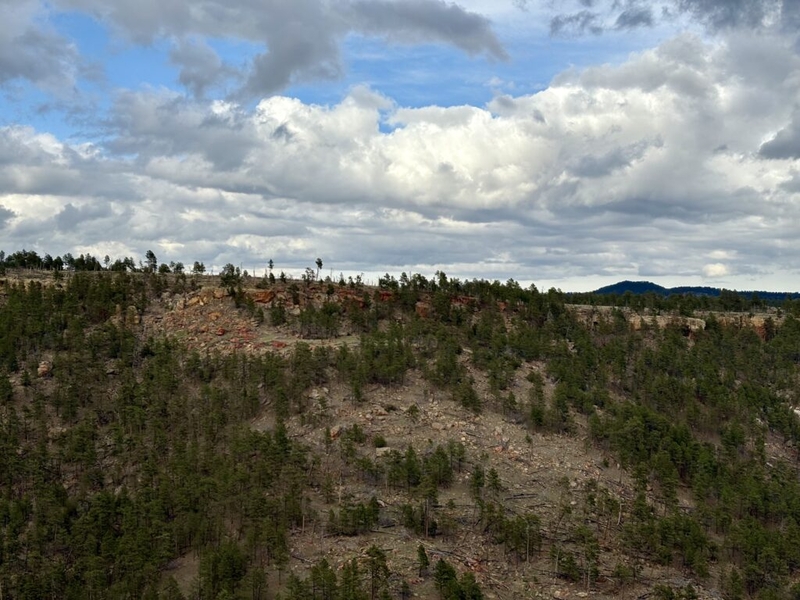
A view of Craven Canyon in South Dakota's southern Black Hills, where a company has proposed an exploratory drilling project. (Photo by Meghan O'Brien/South Dakota Searchlight)
The status of a hearing on an exploratory uranium drilling permit was left uncertain Wednesday after a state board adjourned until further notice, following a private session to discuss legal matters.
The permit application is from Clean Nuclear Energy Corporation, which is seeking to drill dozens of holes up to 700 feet deep on state land. The proposed site is near the rim of Craven Canyon in South Dakota’s southern Black Hills.
Dozens of people and some organizations have raised formal complaints about the project to the Board of Minerals and Environment, which will decide on the permit. Opponents have said the drilling could disturb ancient Native American petroglyphs on the canyon’s walls, disrupt Lakota ceremonies and potentially contaminate groundwater, among other concerns.
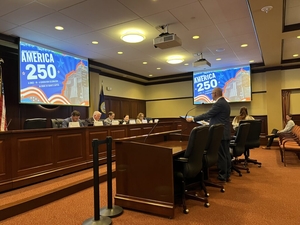
On Monday, the board started a hearing in Hot Springs on the permit application. The hearing was scheduled to continue through Friday.
Tension grows between state board and project opponents at hearing on uranium drilling permit
On Wednesday, the third day of the hearing, project opponent Elizabeth Lone Eagle filed a federal lawsuit against the board, the state’s Department of Agriculture and Natural Resources, Clean Nuclear Energy and state employees involved in evaluating the permit application, alleging violations of due process. Lone Eagle filed the lawsuit herself, without representation by an attorney.
Lone Eagle, along with six other people, including five described as Lakota first-language speakers, are listed as plaintiffs in the suit. The suit alleges “systematic, ongoing, and deliberate denial of meaningful participation to Lakota first-language speaking” project opponents.
Lakota is spoken by western South Dakota tribes, which once controlled the Black Hills as part of the Great Sioux Reservation. The board agreed prior to the hearing that the state Department of Agriculture and Natural Resources would provide a Lakota interpreter for the proceedings. The department failed to provide an interpreter on Monday, but provided interpreters Tuesday. At times on Tuesday, project opponents objected from seats in the audience when parts of the hearing proceeded without interpretation.
The lawsuit also alleges that a “significant multi-jurisdictional law enforcement presence” creates an “atmosphere of intimidation” at the hearing.
The board did not provide a date to resume the hearing, which was being held at the Mueller Civic Center in Hot Springs, a little more than 20 miles from the proposed drill site. Several project opponents who’d been attending the hearing told South Dakota Searchlight on Wednesday evening that they were going home to await a further announcement.
Neither the Department of Agriculture and Natural Resources nor Clean Nuclear Energy immediately responded to Searchlight’s requests for further information.
For broadcasters

Pierre, SD