Profiles in resistance: Residents of this Kansas town unite in opposition to ICE and CoreCivic
Sep 29, 2026 | 9:00 am ET
Description
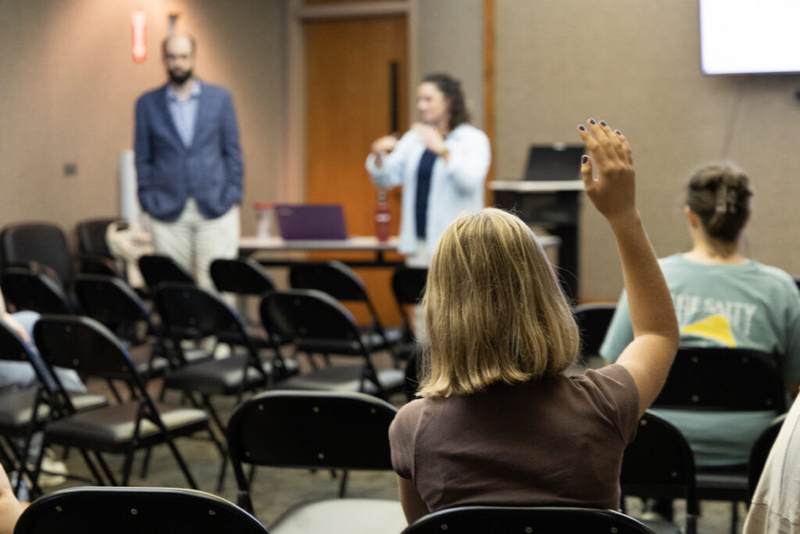
Iona Roberts asks Dan McIntosh and Meghan Wieten-Scott a question at an Aug. 29, 2026, meeting at the Leavenworth Public Library attended by more than a dozen people. McIntosh and Wieten-Scott led the meeting to update concerned Leavenworth and Kansas residents on what they know about the nearby ICE jail and the people detained there. (Photo by Baya Burgess/Kansas Reflector)
LEAVENWORTH — Amid a clash between a new immigration jail and the city that hosts it, residents from Leavenworth and nearby areas gathered last month to talk strategies for protecting people held in the facility.
For some, it was just the latest meeting in a long resistance against the jail opened by the private prison company CoreCivic.
Leavenworth, a small city in eastern Kansas, is known for embracing its multiple prisons and a military fort. But some residents refuse to accept the city’s latest installation. They often work together and rally others along the way. A few of them are members of Sisters of Charity of Leavenworth, a religious sisterhood leading effort.
The local activists have taken on two contradictory efforts: ensuring quality conditions in the facility and opposing its existence. They are motivated by cases of mistreatment and death in similar institutions across the U.S., and CoreCivic’s track record of previously operating the facility as an understaffed and violent “hell hole,” as a federal judge termed it.
At an Aug. 29 community meeting at the Leavenworth Public Library, Dan McIntosh described reports of delayed release and medical neglect.
“We’re concerned with why it is taking the outside intervention of media, oversight bodies or activist groups in order for detainees to get the care that they need,” he said at the meeting.
The city waged a year-long battle against CoreCivic’s permit request until March. The prison company had leveraged financial pressure to gain city officials’ approval and open the U.S. Immigration and Customs Enforcement jail.
Though Leavenworth commissioners secured oversight during negotiations, CoreCivic sold the facility to ICE in August, potentially voiding the city’s oversight power.
After months of momentum, the sale also disrupted the activists’ efforts to monitor the jail’s conditions, leaving them uncertain but alert for what will happen next.
Kansas Reflector is telling the personal stories of eight community members who gather volunteers, raise money and host meetings for the sake of those in detainment. They don’t share the same strategies or motives, but they all want to kick ICE out of their city.
Kansas Reflector asked Ryan Gustin, CoreCivic’s spokesperson, via email to include perspectives of the facility’s warden and the employees who have previously spoken out in support of the facility. Gustin said he would not make anyone available for comment.
Jean Anne Panisko
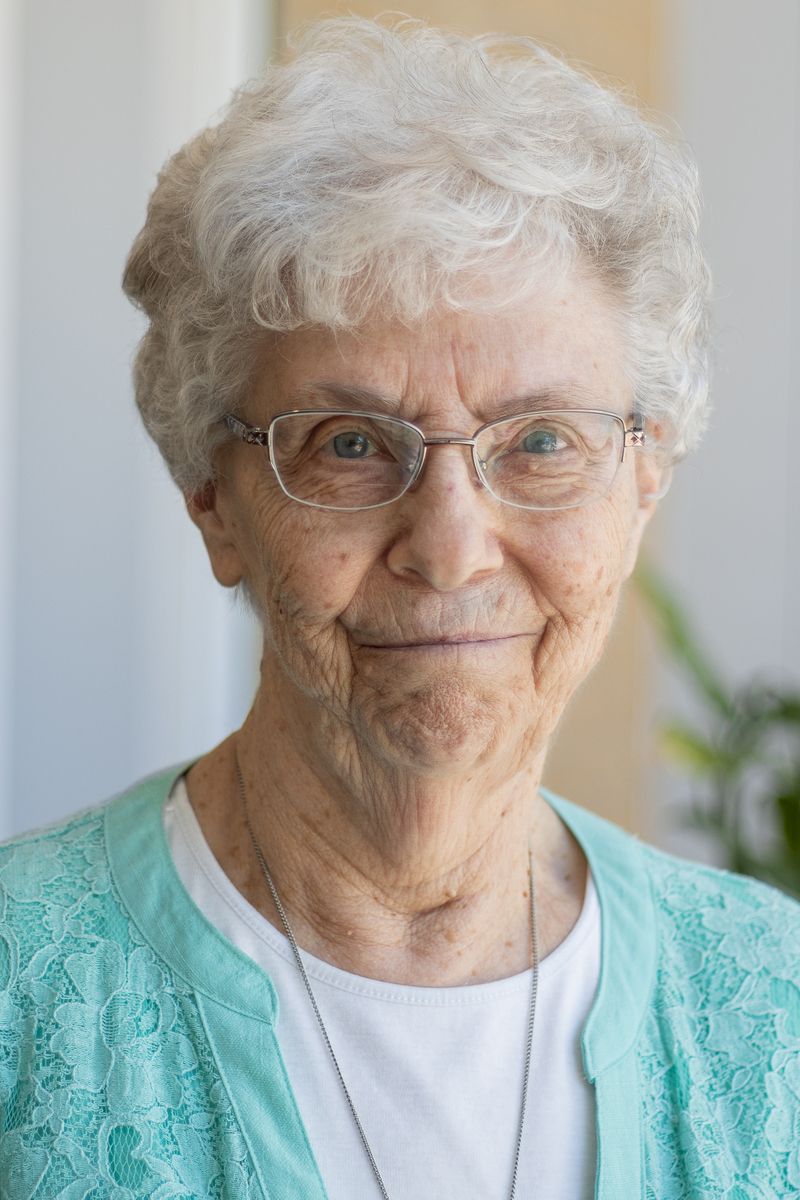
Sister Jean Anne Panisko serves with the Sisters of Charity of Leavenworth, a women’s ministry focused on community service. She signs up volunteers inside the facility, despite difficult logistics.
She described volunteering inside the jail as teaching inmates individual skills, such as leading yoga or teaching English.
“It’s always looking at what are the needs?” she said. “And then how do each of us who volunteer — through what talents and gifts we have — can meet some of those needs?”
She wants to use her faith background to pray with detainees who want prayer, she said.
“To be able to pray with them,” she said. “To be able to just talk to them, listen to their stories.”
But Panisko has not been able to actually volunteer inside the facility. No one has.
CoreCivic allowed volunteers, and Panisko said they had to file a few rounds of paperwork to be approved. Then they went through training.
“We were trained for 8 hours, filled out all the paperwork, had our photos taken for our badges and were to begin volunteering the end of August,” she said.
The trained volunteers don’t know when the expected tour will take place or the extent of the volunteer work permitted.
Justin Young
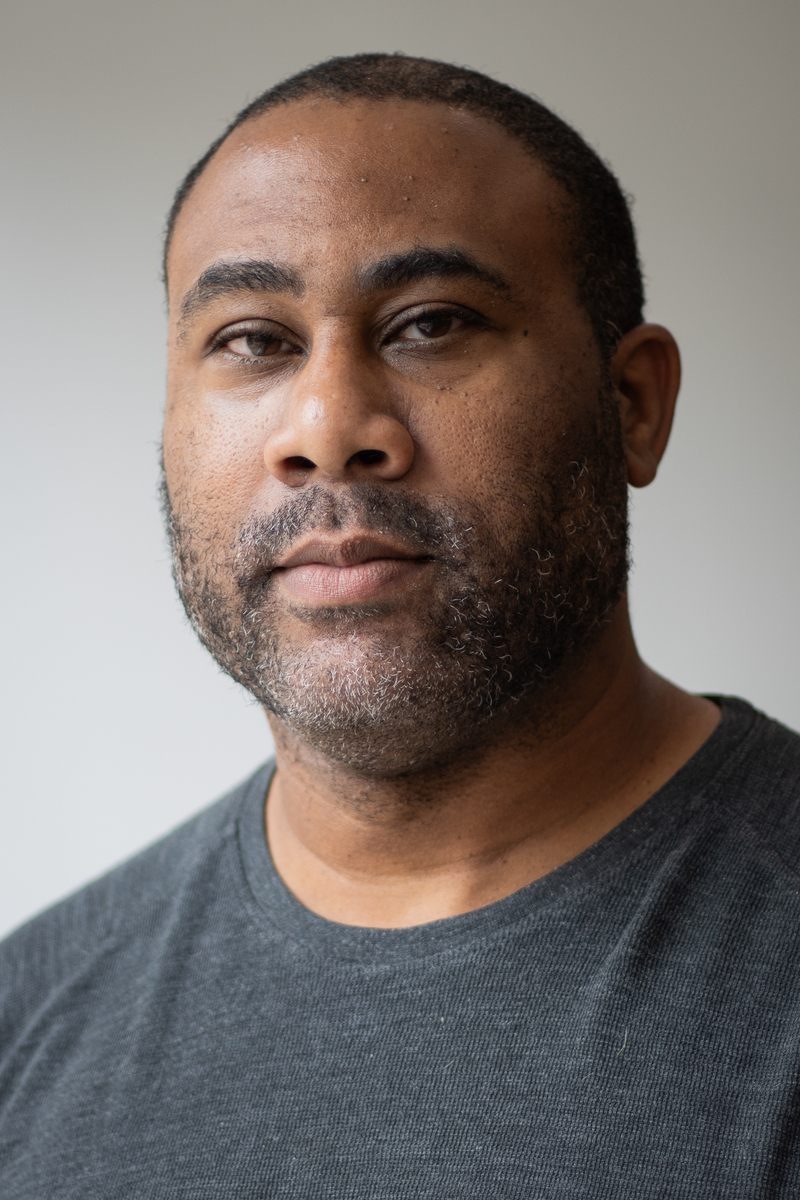
Justin Young, a professional mediator, tries to balance daily efforts to improve life inside the facility without benefiting the jail itself.
He said the warden, Misty Mackey, has worked to prevent harmful conditions — such as riots and disease — and follow the regulations of the special use permit.
“That’s a double-edged sword, though,” Young said, “because if she never messes up, if her facility is run well, it won’t ping the violations of the (special use permit). If it doesn’t ping the violations of the SUP, it never gets shut down.”
He aims to address the needs of those detained.
Young serves on the Carceral Accountability Council. The local group, initially formed as an effort to keep CoreCivic out of Leavenworth, fundraises to provide products to detainees, including scented soap and chess sets.
While the facility provides the basics, he said, the group wants to send products “that make you feel like a human.”
He also serves on the oversight board mandated by the special use permit. He mentions the concerns of detainees’ family members, such as needing extra blankets, at the meetings and sometimes directly to the warden.
The warden makes note of his requests and follows up with him when she fulfills it, he said.
Michelle Mendiola
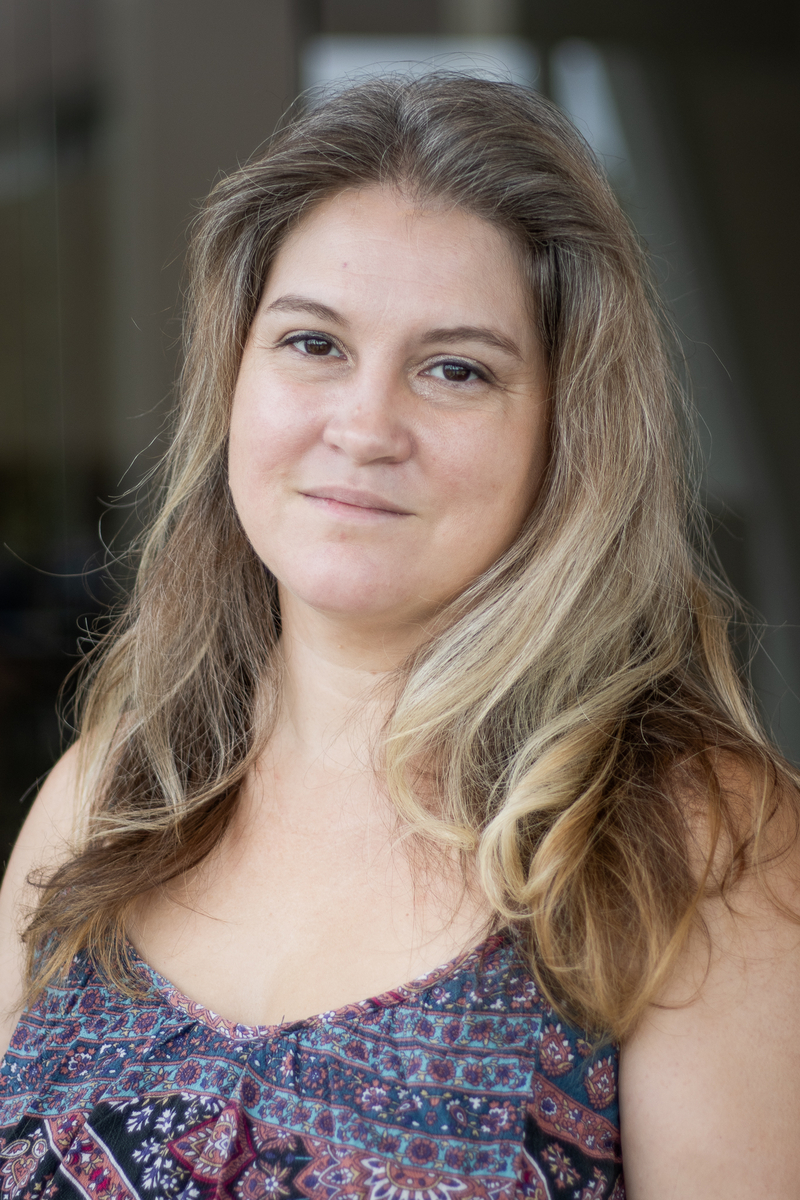
Michelle Mendiola helped organize one of the first protests against the jail in the summer of 2025.
The march began at her 19th century home in Leavenworth, the house her family left in part because of the facility.
Mendiola, a Leavenworth small business owner, and her husband, a Lawrence physical therapy clinic director, decided to move to Lawrence to be closer to the clinic, she said.
He has worked there since 2020, she said, but the facility opening was their tipping point.
“My husband is Filipino, and my children are half-Filipino,” she said. “As the project started to really take way and immigration was kind of ramping up, my husband was very uncomfortable living that close with that much presence because he is not white American in appearance.”
Mendiola will remain connected to Leavenworth, she said, not only because her businesses are there but because she will keep informing herself and others about local ICE actions by posting on social media, talking to journalists and communicating with advocates.
“Sometimes knowledge can lead to helplessness, feelings of helplessness,” she said. “But also, you never know when sharing that knowledge can reach the right people who can make a difference.”
Michael Delores Allegri
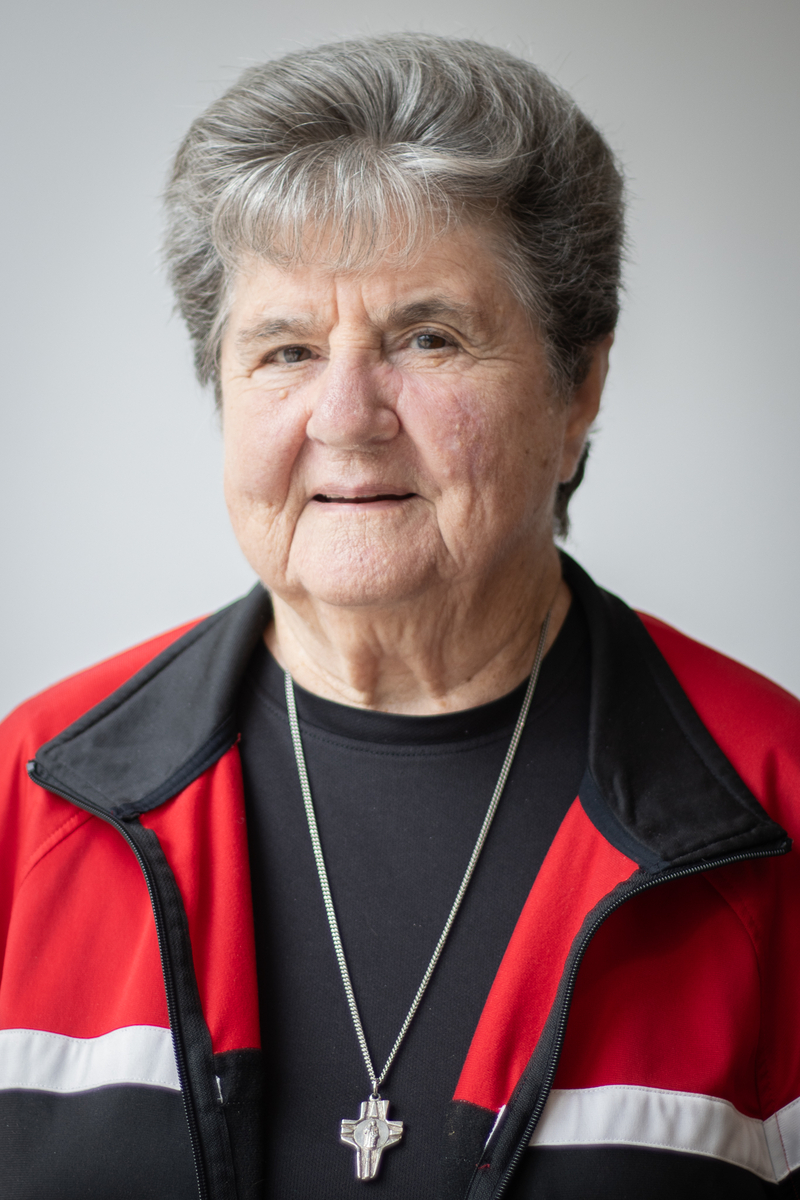
Sister Michael Delores Allegri, a Sisters of Charity of Leavenworth member, retired school teacher and former foster parent, said the United States’ response to immigration is “worse than it’s ever been.”
“You have a group of people whose only crime is that they came into this country and don’t have a green card or don’t have the right paperwork,” she said. “If that’s their only crime, then why are they locked into a facility?”
Allegri served on the oversight board with 13 others, including the city manager, the police chief and the facility’s warden.
She toured the facility as a board member and described it as clean and well-functioning.
But she said the board has only met twice, once in May and once in June. She doesn’t know why the July meeting was canceled, but she said the August meeting was canceled because of the sale to ICE.
She said she wishes to know more about the sale, but she remains in the dark about it and the future of the board.
“If CoreCivic was in dialogue with ICE while the Commissioners were in process of deciding, and it was not disclosed that a sale was being discussed, CoreCivic was not being transparent,” she said.
She said that while the employees who work closely with detainees are transparent, she does not necessarily trust the people in charge.
“I find them to be open and wanting to do what’s best for the people there,” she said. “But they get their direction from CoreCivic who gets their direction from ICE so it gets convoluted. Are they, direct staff, given the opportunity to operate with some autonomy or are bound by the higher layers? I’m not sure if we know enough to answer that question.”
Meghan Wieten-Scott
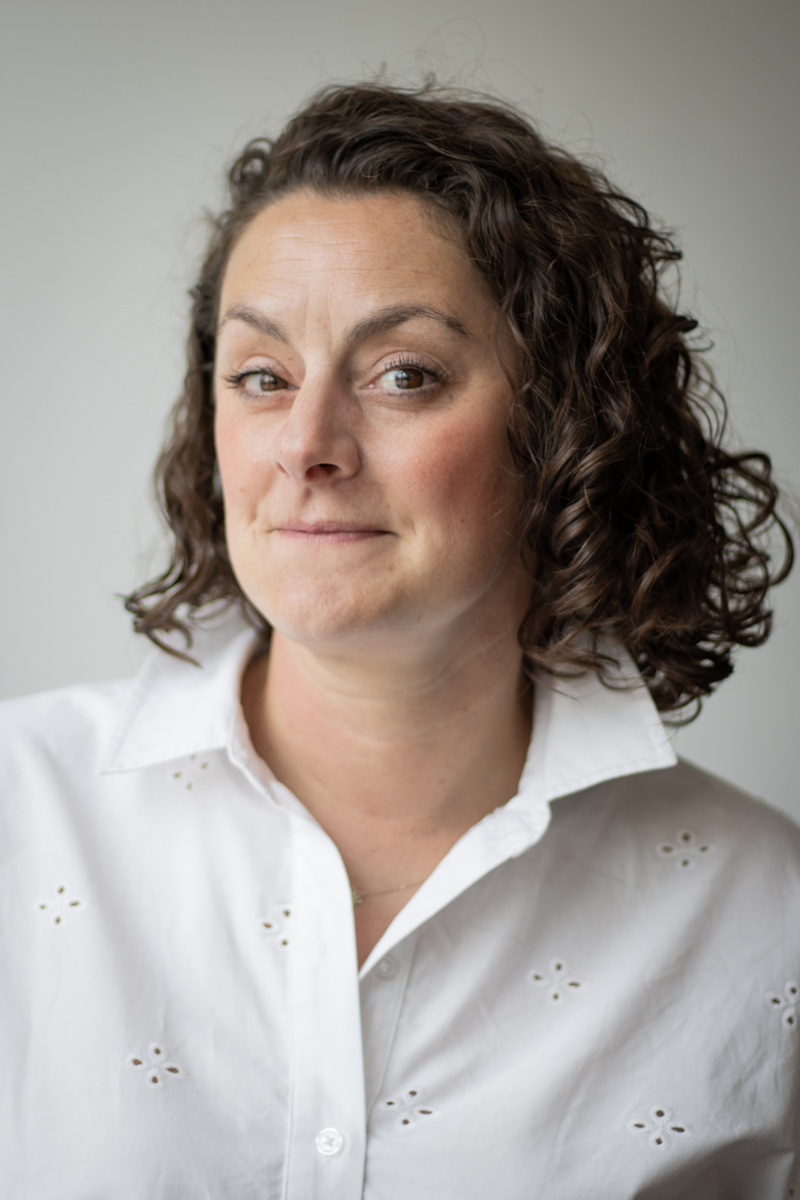
Meghan Wieten-Scott, a business consultant and military spouse stationed at Fort Leavenworth, talks to concerned city residents about the facility.
Some people in Leavenworth, she said, still don’t know an ICE detention facility moved into their city.
“We are such a prison town that I think people just assume it’s par for the course,” she said.
Since May, she has led two discussions at the Leavenworth Public Library as a member of Leavenworth Community Response, a local group formed to advocate against the jail.
She discovered the group through a private, encrypted group messaging channel designed to document ICE. She and hundreds of others in eastern Kansas receive alerts about ICE activity and can go to the scene and record on their phones.
She became involved in part to find community in Leavenworth.
“As a military spouse, we move so often,” she said. “Sometimes it feels like you’re shouting into the wind, politically. Like nobody’s hearing you when you’re sending letters and you’re calling. And so this was a way for me to do something here and hopefully make a difference right here in my community, and to come together with people.”
Mike Trapp
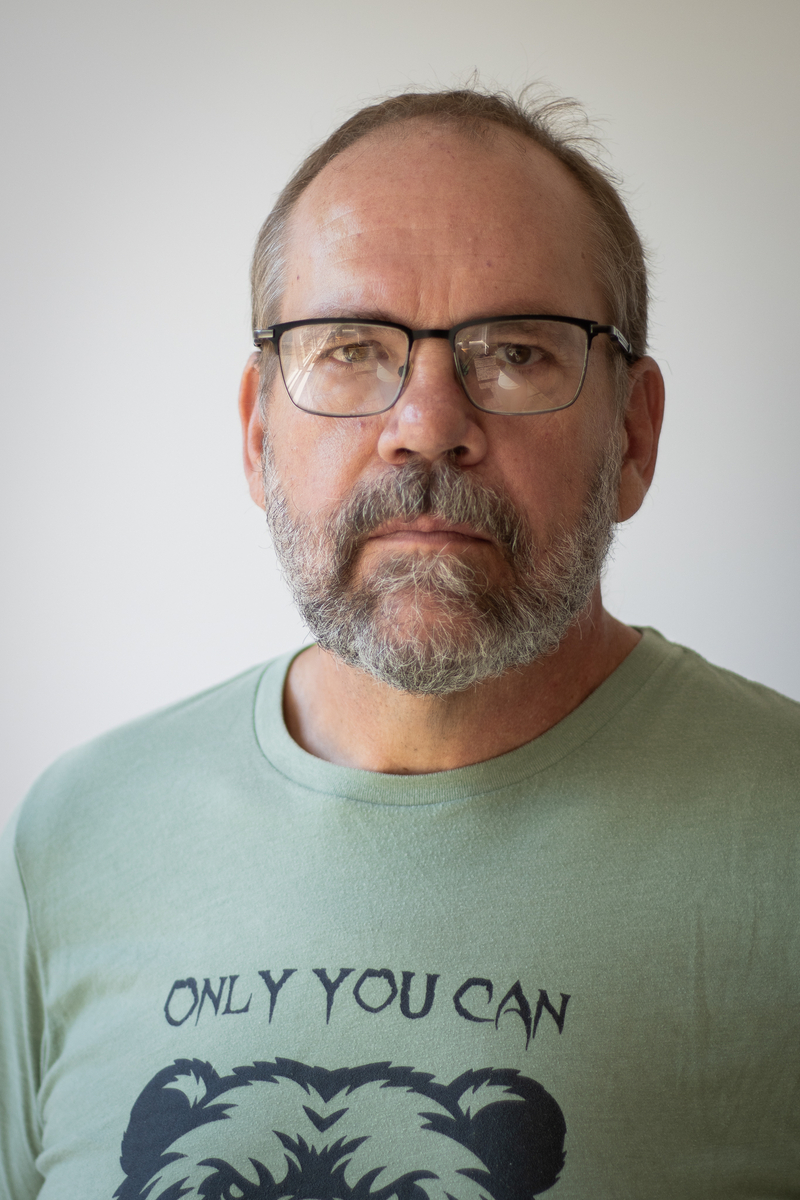
Not long after Mike Trapp settled in Leavenworth in 2023, he dove into fighting CoreCivic’s return. Then he left the efforts he helped established in the hands of fellow advocates.
Since his first social service job in the 1980s, he has jumped from one community project to the next. In 2021, he left Columbia, Missouri, where he served three consecutive terms on the city council. He now lives in Leavenworth and works at a Jackson County, Missouri, organization training court-appointed special advocates for children in foster care.
“I’m a change agent,” he said.
Around the time the commission approved CoreCivic’s permit, he proposed the city place impact fees it earned from the facility into a legal defense fund to protect itself against potential legal action from CoreCivic. The idea continues to develop.
He also helped create the Carceral Accountability Council in 2025. Though he left the group, he remains a resource to advocates as a local government expert and speaks out against the facility to his 3,000 Facebook followers.
Looking forward, he said he feels hopeful about the city’s ability to oversee the facility and prevent inhumane conditions because of Leavenworth’s “strong permit with local controls.”
While he understood the commission’s decision, he would have rejected the permit, he said, because he does not accept the ICE’s growing detainment system, accusing it of violating due process.
“It’s a naked attempt,” he said, “to hold people hostage in poor conditions until they voluntarily deport.”
Ashley Hernandez
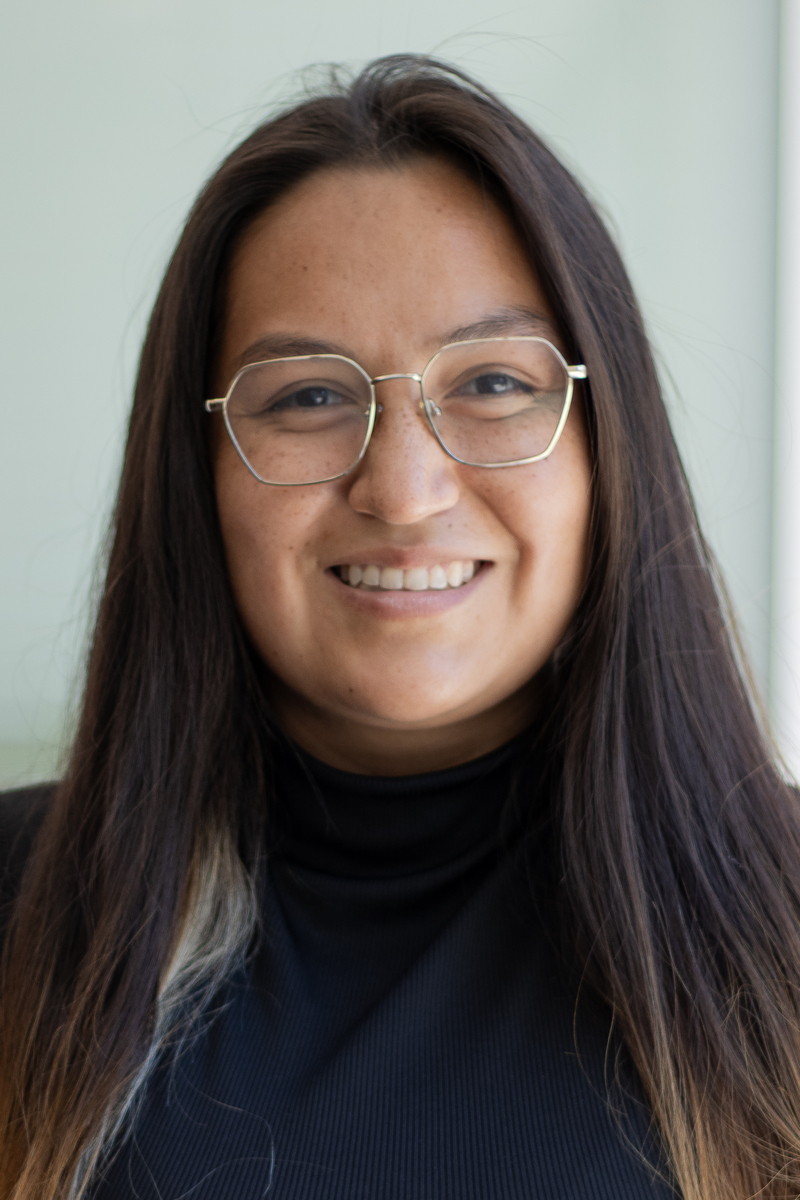
As the lobbyist for Sisters of Charity of Leavenworth’s Office of Justice, Peace, and Integrity of Creation, Ashley Hernandez holds town halls and speaks to residents to fight detention on behalf of the organization.
She described Leavenworth as a politically diverse and compassionate place. While the city’s prisons and military fort promote values of institutions and law and order, she said, that doesn’t keep residents from questioning the ICE facility.
“It doesn’t really matter what background you have,” she said. “Most of our population is going to say we need to stand up for human rights and against a lot of the abuses that we’re seeing.”
Since the jail reopened in Leavenworth, she has focused on preventing harmful conditions inside..
One of her biggest efforts has been organizing volunteers. She said 17 have passed training required to enter the and many more are waiting to be trained, though none have entered.
Looking forward, she hopes the facility closes.
“Maybe when this administration is up, where we get different people into office, we can shut this facility down,” she said, “We don’t want to continue being complicit with the anti-immigration agenda that this administration is pushing because us Catholics, we welcome all.”
Dan McIntosh

Dan McIntosh said he spends as much time advocating against the facility as he does at his day job as a composer. He corresponds with Leavenworth residents and families of people inside the facility,bringing their concerns to city officials.
“I met more people in Leavenworth in the past year than the previous eight years before that,” he said. “I was a little surprised. I wasn’t expecting as many people to care as much.”
Ahead of the Aug. 29 community meeting, he spent much of that week speaking with Katsiaryna Bartko, a detainee from Belarus who previously had thyroid cancer. As he advocated for her at the meeting, he began to cry but managed to continue speaking.
“She’s still at the facility and is declining. Her kidneys are starting to fail. Her creatine levels are going up, and she may have a myxedema coma any day, excuse me, which has a 20-60% mortality rate,” McIntosh said.
She was released on Sept. 16 and said she is recovering, according to multiple reports.
McIntosh also discussed reports of delayed release during the meeting.
“We’ve talked to some detainees who wanted to be deported all the way back in May and June, and they’re still at the facility and haven’t gotten out yet, even though they signed the papers,” he said.
Advocacy efforts exist below the surface, he said, because of political tension in Leavenworth. He said he doesn’t care what people think of him, so he recruits people who want to advocate against the facility.
“One of the reasons we held that community conversation was to try to help funnel people into the right spot where they’re comfortable helping,” he said.
In late August, he opened his home of four to a woman from Kansas City metro whose husband had been detained. He gave her and her two children a free place to stay while visiting their loved one.
His motivation, he said, comes from basic American ideals.
“I think it flies in the face of the principles of liberty that this country was founded on, to detain people who came here looking for help,” he said.

Topeka, KS