Pressure mounting in courts to deal with WV school funding as Berkeley County prepares lawsuit
Oct 26, 2026 | 4:23 pm ET
Description
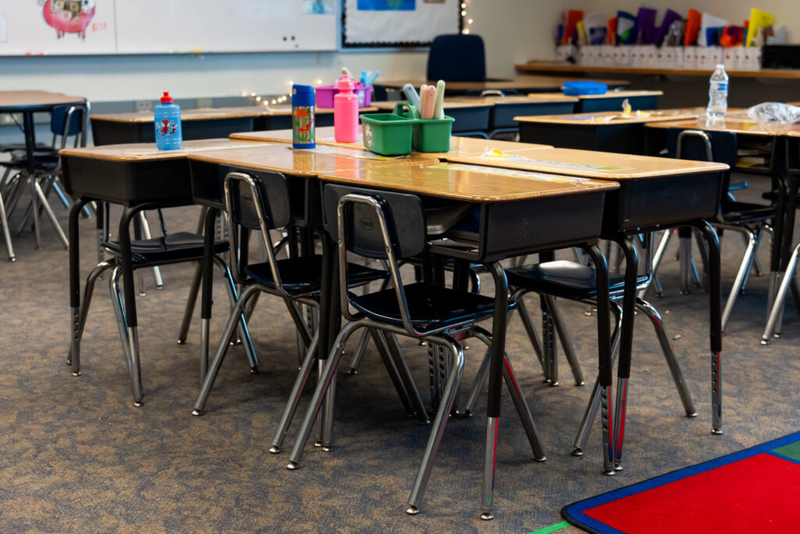
A classroom at Woodrow Wilson Elementary School in South Salt Lake is pictured on Tuesday, March 12, 2024. (Photo by Spenser Heaps for Utah News Dispatch)
Berkeley County Schools plans to sue state officials over public school funding as pressure mounts in the courts to deal with the issue. Families, school officials and their lawyers are turning to the judicial system for help after lawmakers didn’t make any changes to the school funding formula this year.
The state’s school funding formula is largely tied to school enrollment numbers, complicating school’s budgets due to the state’s overall shrinking population. The student population is also declining — 8,200 fewer students are in the public school system compared to last year.
The school funding issues coupled with one-time COVID-era money drying out has led to a wave of school closures across West Virginia, where most students attend public schools.
Lawyers for American Civil Liberties of West Virginia last month said it will sue over the decades-old funding formula on behalf of a Lincoln County sixth grader. The group is asking the state Supreme Court to determine whether West Virginia’s school funding formula is inadequate and force state lawmakers to address it.
The West Virginia Supreme Court has given state officials named in their lawsuit until Nov. 20 to submit their positions in writing.
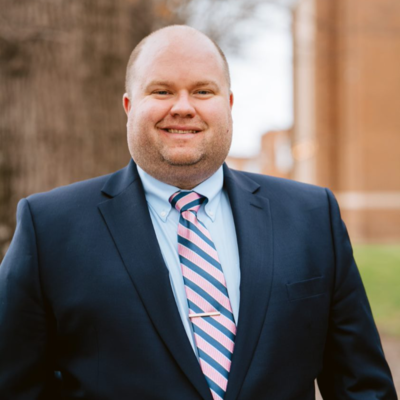
On Monday, Berkeley County Schools Superintendent Ryan Saxe said the county will move forward with its own school funding lawsuit.
“It’s about ensuring that the resources provided to the school district reflect the responsibilities that we’re expected to fulfill … to ensure that we have a funding system that reflects what it actually costs to provide the education our students are entitled to receive under the Constitution,” Saxe said in a phone interview.
Berkeley County is a bit of an anomaly compared to other West Virginia counties rapidly losing student population. While their headcount has dipped a bit, Saxe said, the county is one of the few parts of the state that is growing.
But there are other issues straining the school budget, Saxe explained. The district is facing significant challenges recruiting and retaining teachers in the border county due to the state’s low teacher pay.
For each of the past three school years, Berkeley County Schools has relied on approximately 200 to 250 permanent substitutes annually across 33 school sites after being unable to recruit enough certified teachers.
Along with serving the state’s highest rate of English language learners, which bring additional costs, the district also services a significant number of special education students.
“The costs are not optional,” Saxe said. “Last year alone, Berkeley County’s special education costs exceeded the funding provided to us by the state for those students by $38 million. That is something that the district obviously was required to pay for from our general fund.”
The county is required to give a 30-day notice to state officials and entities about litigation.
Other West Virginia counties have reported consequential financial strain providing services to the state’s 46,000 special education students. The issue has pushed multiple school systems into millions of dollars of debt.
The current student aid formula largely doesn’t account for increased funds needed for federally and state-level required special education accommodations, like one-on-one aids or technology.
School funding formula debate in Legislature
The legislative session concluded in March without lawmakers making any changes to the school funding formula after debate on multiple bills to deal with the issue. Roadblocks often centered on funding concerns; a House bill updating the funding formula would have cost $214 million.
Senate Education Chair Amy Grady, R-Mason, and House Education Chair Joe Statler, R-Monongalia, have spent the summer and fall working on school funding legislation, though neither has vowed it will make it through the GOP-controlled legislature.
The West Virginia Board of Education recently shared its own proposed school funding formula overhaul for lawmakers to consider. It would restructure the funding formula to address declining enrollment along with needs in special education, high poverty areas, rural schools and more.
Board members also voted to side with the ACLU-WV in their school funding lawsuit; all but one board member acknowledged that the funding formula is insufficient.
There was no overall price tag yet for the school board’s proposed funding changes, but state school officials estimated that the special education funding changes alone would cost $190 million.
Saxe said he will continue to work with local lawmakers to address the school funding issue while his district’s lawsuit moves forward.
“I think that they see the needs and and the challenges that are facing the school systems here in the Eastern Panhandle, and I think they they’ve been huge advocates for what we need as it relates to looking at regional labor market pay, to looking at the need for special education funding,” Saxe said.
“We want to continue to work with them, but we also recognize that if something is not done this legislative session, we want to be able to have a have some assurance that in the future it may be that the courts are going to have to decide that this is actually not constitutional, and the legislature is going to have to do something,” he added.
Charleston, WV