Plumbers peeved over proposal to fast-track licensing in Louisiana
Mar 26, 2026 | 4:00 am ET
Description
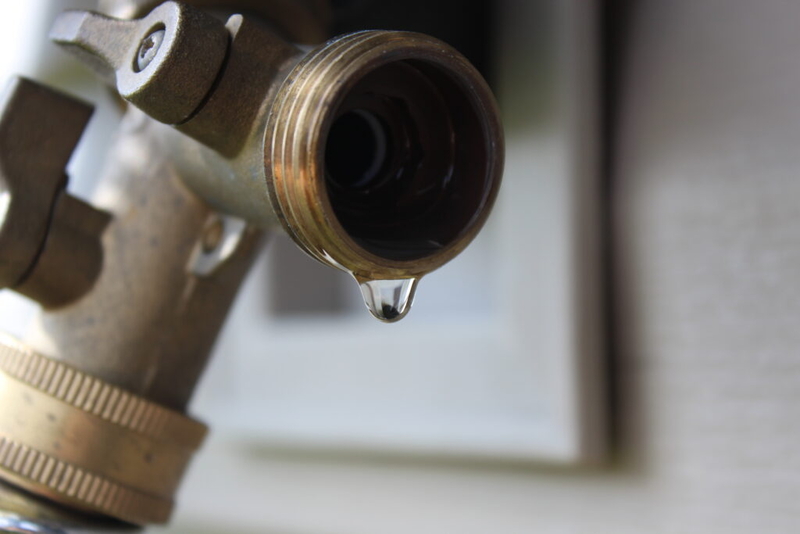
It takes 1,500 to 2,000 hours of on-the-job training to become an entry level plumber in Louisiana. A state lawmaker has offered a proposal to shorten that process, citing a growing shortage of plumbers in the state. (Photo: Wes Muller/Louisiana Illuminator)
It takes 1,500 to 2,000 hours of on-the-job training to become an entry level plumber in Louisiana. A state lawmaker has offered a proposal to shorten that process, citing a growing shortage of plumbers in the state.
House Bill 953, sponsored by Rep. Bryan Fontenot, R-Thibodaux, would create an alternative pathway for prospective plumbers by allowing the Louisiana State Licensing Board for Contractors to issue its own plumbing licenses independent of the State Plumbing Board. Fontenot’s proposal advanced Monday without objection from the House Commerce Committee.
Opponents of the bill, which includes the plumbing board and many licensed master plumbers, say loosening the requirements poses a risk to the public who depend on competent professionals to build and maintain drinking water and wastewater systems, among other critical services their skilled tradespeople perform.
“They don’t have the public’s well-being in mind,” said Zack Payne, a third-generation master plumber who works for his family’s business, Central Plumbing Co.
The contractors’ board licenses all construction trades in Louisiana, such as electricians, roofers and masons. It already offers a plumbing license for workers to handle small jobs valued up to $10,000. Anything valued higher requires a licensed plumber approved by the plumbing board.
Specialized commercial and industrial trades are also licensed by the contractors’ board. They include fire suppression system installation, industrial waste handling, coastal restoration and asbestos removal, among others. Contractor licenses in Louisiana require competency to be shown through standardized, industry-specific exams but no minimum number of hours worked.
“They have taken a test, they’re insured, they have bonds,” Fontenot told the committee. “They can build a $5 billion bridge over the Mississippi River, but if they wanna put a bathroom underneath, they’re forbidden to do so. They have to hire an outside licensed master plumber.”
Plumbing is the only skilled trade in Louisiana with its own licensing board. It requires roughly 18 months to two years of training and understudy work before one can apply for a residential limited license.
How long does it take to become a licensed plumber? Read “How plumbers level up” below.
The State Plumbing Board would retain its licensing powers under Fontenot’s bill, but it would no longer be the sole gateway to the industry for prospective plumbers.
Louisiana is one of 14 states with a specific board that licenses plumbers. Most states issue them through a department of labor agency or a state contractor’s board that oversees other trades. Kansas, Missouri, Nebraska, New York, Pennsylvania and Wyoming don’t regulate plumbing licenses at the state level.
In an interview Tuesday, Fontenot said the experience requirements for plumbers are longer than those of pilots.
The Federal Aviation Administration generally requires 1,500 hours of flight experience for a commercial airline pilot license.
Fontenot’s proposal would let the state contractors board decide if any training hours will be required.
The current licensing hierarchy means lower-tier licensees are beholden to a master plumber, which Fontenot said has allowed a select few to act as gatekeepers. Plus, he noted a racial disparity at the top of the industry with what he believes is a minute percentage of African Americans among the 1,155 master plumbers in the state. He told the committee just five Black people hold a master’s level license in the state, though he later said in an interview the figure he cited is based on his own research as the Plumbing Board doesn’t have licensee demographics available.
Errick Willis, a licensed master plumber and owner of Willis and Sons Plumbing Repair in Baton Rouge, disagreed with Fontenot’s assessment, though he was the only Black plumber who testified at Monday’s hearing. In later interviews, he and Payne defended the strict licensing requirements as necessary for preventing serious issues such as water contamination and natural gas explosions.
Willis said he became a journeyman plumber in 2023 and then earned his master’s license in August after working in the industry for 19 years. He now runs his own business and has two plumbing crews working for him. He said he doesn’t see the discrimination Fontenot mentioned and questioned whether loosening standards would accommodate more Black people into the industry.
“I came in with plenty of Black apprentices,” he said.
Plumbing isn’t for everyone. The work, especially for a greenhorn apprentice, can be physically demanding, claustrophobic and unpleasant at times, but it can be financially rewarding even for a young adult, according to Willis and Payne.
“It’s just not an easy trade,” Willis said. “I always say the ones that wanna make it will make it, and that’s true no matter their color.”
The median pay for an apprentice plumber in New Orleans is $59,000 per year, according to the salary analysis website Glassdoor. The median for master plumbers is $155,000. Current job listings from Louisiana businesses align with those figures.
As a concession to opponents, Fontenot amended his bill to allow the contractors board to develop its own specific eligibility and exam requirements for the plumbing licenses. In an interview Tuesday, he said this could include a required number of worked hours.
Fontenot said he authored his bill to address the shortage of plumbers and align with licensing reforms that other states have done recently.
The Home Builders Institute’s Construction Labor Market Report for 2025 notes a nationwide shortage of electricians, plumbers, and heating and air conditioning technicians, with over half of surveyed builders reporting shortages of those tradespeople. The shortages could be, in part, the result of longer formal training and licensing requirements that attract fewer immigrants, who make up roughly one-third of the skilled labor force, according to the report.
Last year, Texas enacted a law forcing its state plumbing board to reduce the work experience requirement for its master plumber license. The board currently requires 8,000 hours as an apprentice before they’re eligible to apply for the journeyman license, and then an additional two years to level up to master plumber — a total of 10,000 hours, which is about six years.
Fontenot’s bill awaits debate in the House of Representatives. If approved, it will then move to the Senate, where Senate President Cameron Henry, R-Metairie, was generally open to the idea when asked about it Tuesday.
Though he hadn’t seen Fontenot’s proposal, Henry said a new licensing pathway could be a good way to address the shortage of licensed plumbers so long as it doesn’t diminish competency levels to the point of jeopardizing service and public health.
“If it’s another option and helps speed up the process, there’s nothing wrong with that,” Henry said. “We’ve gotta adapt to the times and the times say we need more plumbers and more electricians.”
How plumbers level up
Plumbing has four general experience tiers: apprentice, limited residential, journeyman and master plumber. Thousands of work hours and multiple written tests and hands-on exams are required at each level, and all lower-tier plumbers must work for a master plumber’s business.
At the bottom rung, a plumber’s apprentice must always work under direct supervision of a journeyman or master plumber. An apprentice must clock at least 4,000 hours, which is about two years of a regular full-time schedule, in order to apply and test for the residential license, formerly known as a tradesman license.
A limited residential plumber can perform minor repairs without full-time supervision in one- and two-family dwellings so long as they are under the employment and direction of a master plumber.
Those experience requirements are then doubled to level up to a journeyman, which can independently perform repairs and installations but must be under the employment and indirect supervision of a master plumber.
In total, it takes 8,000 hours and multiple exams to reach the journeyman level. This can be slightly less, at 7,000 hours, for those employed through a state-sponsored apprenticeship program, some of which are funded by the U.S. Department of Labor.
To get a master plumber license, an applicant must first hold a journeyman plumber license or be a licensed professional engineer. They must then receive admission by the Plumbing Board to sit for a three-part seven-hour exam. Master plumbers are the top tier of the profession, can operate completely independently and can employ lower-tier licensed plumbers.
There are additional requirements for subspecialty plumbing licenses and endorsements in water supply, natural gas and medical gas plumbing.
Details on the different licenses can be found on the State Plumbing Board’s website.
Baton Rouge, LA