Pennsylvania reports nation’s first confirmed measles-related deaths in 2026
Aug 25, 2026 | 3:54 pm ET
Description
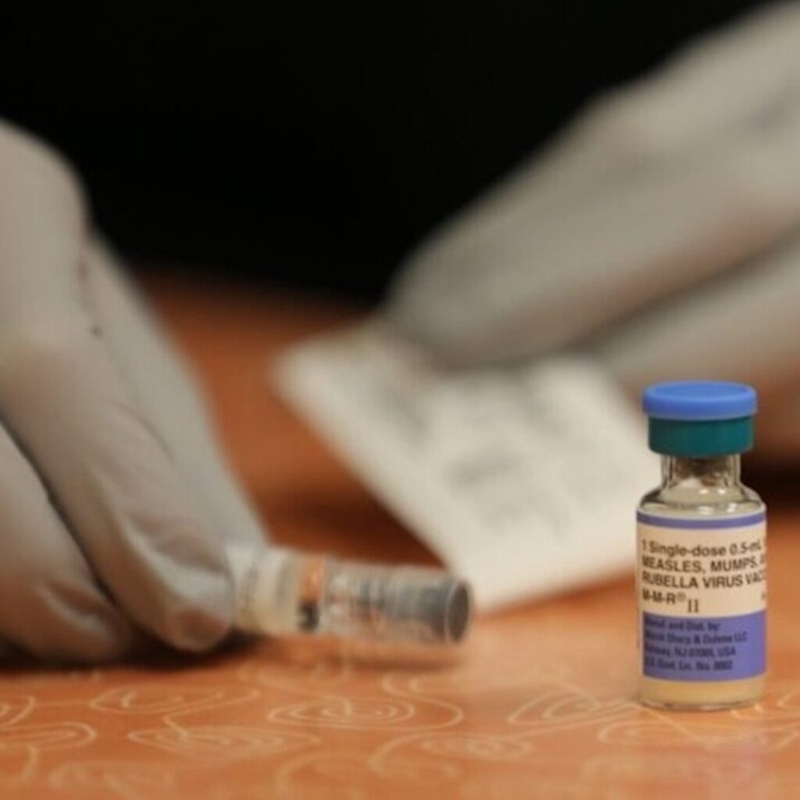
Photo of a single dose of the MMR vaccine. (Joshua Haiar/South Dakota Searchlight)
This story was updated at 4:30 p.m. on Aug. 25, 2026 to include a statement from the Centers for Disease Control.
The Pennsylvania Department of Health confirmed two measles-related deaths in Lancaster County. Both people, who lived in the county, were unvaccinated. No other personal details were provided in order to protect their families’ privacy.
They are the first confirmed measles-related deaths in the nation this year, and come amid the country’s largest outbreak of measles in decades.
“My deepest sympathies are with the loved ones who are facing this unimaginable loss,” said Pennsylvania Health Secretary Dr. Debra Bogen. “Because measles was largely eliminated in the Commonwealth for more than three decades, people are not familiar with this disease and don’t fully understand the potential severity of the illness. We want to ensure every Pennsylvanian has the information they need to protect themselves, their loved ones and their communities. As a physician, I want to make sure that people understand that the MMR vaccine is safe and provides the best protection we have against measles.”
The United States declared measles eliminated in 2000, due to the success of a widespread vaccination campaign. But the country’s measles-free status is now at risk, with 2,777 cases confirmed by the Centers for Disease Control this year so far.
That’s more than all of last year, which saw 2,289 cases and three deaths. Until this year, it was the highest known annual case count in more than three decades
Pennsylvania has so far reported 393 cases in 29 counties in 2026. Eighty-six cases were reported in the last week, and 70 have resulted in hospitalization. Nearly half of them this year have been in Lancaster County.
Measles is a highly contagious disease that spreads through infected people breathing, coughing or sneezing. Individuals with measles develop high fevers, coughs and red, watery eyes. That’s followed by a characteristic rash three to five days after symptoms begin. 20% of cases end with hospitalization.
Following the announcement of the two deaths, Gov. Josh Shapiro said the state will continue to host pop-up vaccination clinics in affected areas. This past July, 35,000 Pennsylvanians received vaccinations. For context, that’s 10,000 more than typical.
“As a father of four children, I know every parent wants what’s best for their kids – but right now, there’s a barrage of information thrown at us online, on TV, and in our daily lives,” he said. “ I want every Pennsylvanian to know this: measles does not care about your county, your faith, or your social circle. It’s vital for every parent to know that if you or your kids are unvaccinated, you are at an increased risk for contracting this highly-contagious virus.”
The Trump administration has come under scrutiny for spreading misinformation and fear around vaccines.
Weeks ago, President Donald Trump signed an executive order calling for the MMR (measles, mumps, rubella) vaccine to be split into three separate shots. At a press conference announcing the order, he claimed the combined vaccination could be “lethal,” despite no evidence.
Measles cases up in Pa. and some counties lag behind school vaccination targets
The Centers for Medicaid Services administrator Dr. Mehmet Oz, a former Pennsylvania U.S. Senate candidate, later refuted Trump’s claim.
Medical professionals say the shot is safe and effective as is, and warn splitting it into three has no safety benefits and will only make it more likely for people to miss doses.
U.S. Health and Human Services Secretary Robert F. Kennedy also has a long history of casting doubt on the effectiveness of vaccines generally, and making unfounded claims linking jabs to autism and exaggerating the potential for harm.
Before helming the U.S. Health Department, he was the chair of an anti-vaccine nonprofit called the Children’s Health Defense. In that role, he advocated for alternative treatments for vaccine-curable diseases and spread misinformation about vaccine safety.
He has also left his mark on U.S. vaccine policy. Last year, he replaced a 17-person vaccine advisory council at the CDC.He has also hired vaccine skeptics at the Department of Health and Human Services as the department cut funding to vaccine research.
The moves have led Pennsylvania’s state Board of Pharmacy to accept vaccination guidelines from non-government groups like American Academy of Pediatrics and the American Academy of Family Physicians. Last year, Pennsylvania joined the Northeast Public Health Collaborative to develop public health and vaccination guidelines with nearby states, amid concerns of politicization at federal agencies.
However, as the measles outbreak has grown, Kennedy has called the MMR vaccine safe and encouraged people to get it.
“HHS and CDC extend their condolences to the families and communities affected by two measles-associated deaths in Lancaster County, Pennsylvania,” a spokesperson for the Centers for Disease Control said in a statement. “CDC is working closely with state and local health departments to strengthen response efforts, rapidly support affected communities across the state, and communicate the steps people can take to slow the spread of measles. The MMR vaccine provides the most effective protection against measles and helps prevent its spread. CDC will continue to follow Pennsylvania’s lead and provide resources to support the state’s response.”
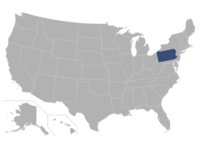
Harrisburg, PA