Oregon Gov. Kotek says data center rules, universal preschool among priorities for next 4 years
Nov 06, 2026 | 4:52 pm ET
Description
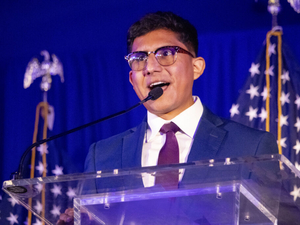
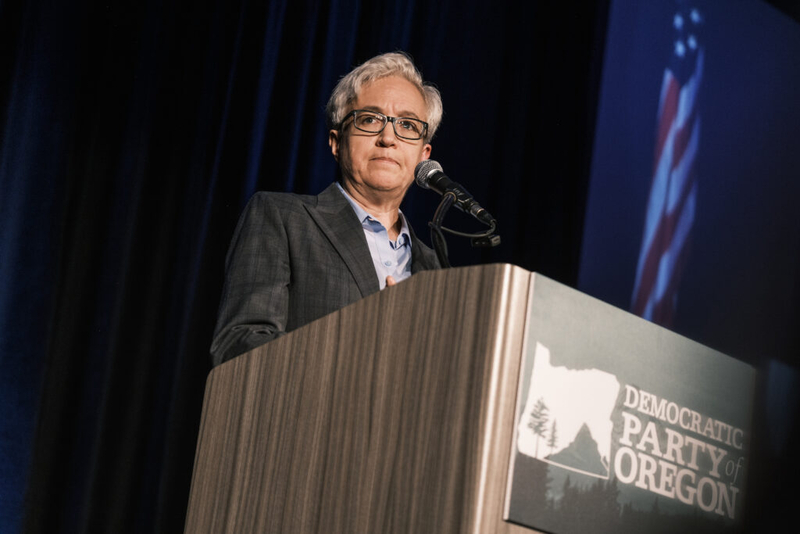
Oregon Gov. Tina Kotek speaks at the Oregon Democratic Party's election night watch party in Portland, Oregon, on Tuesday, Nov. 3, 2026. (Photo by Jordan Gale/Oregon Capital Chronicle)
PORTLAND — Following her reelection Tuesday, Oregon Gov. Tina Kotek’s priorities for the next four years include installing a universal statewide preschool program, passing new regulations on data centers and increasing the amount of time Oregon students spend in school.
Kotek shared her goals at a Friday news conference in Portland following her victory this week over state Sen. Christine Drazan, a Republican from Canby. Drazan as of Friday afternoon had not officially conceded the race despite Kotek’s 8-point lead, and Kotek said she had not heard from Drazan.
Going into the election, Kotek was polling as one of the least popular governors in the nation, but her campaign benefitted from nationwide dissatisfaction with Republican President Donald Trump and Republicans in Washington, D.C.
Amid blue wave, Oregon Gov. Tina Kotek won a swift reelection. Was the mandate in her favor?
Kotek said she’d be engaging with people from across the state differently in her second term to reach voters who were on the fence about her, and she indicated she’d use social media more to communicate her decisions and to have conversations. Kotek during her campaign availed herself to supportive online influencers, inviting them to several events where she eschewed invites to news outlets.
She visited every county during her first year in office, though carefully choreographed tour stops meant she met primarily with select elected leaders, nonprofit service agencies and business owners.
On Friday, Kotek said she’d also be doing more to assert her power over the Oregon Legislature when the six-month 2027 session begins at the end of January. After presiding over the House for nine years as speaker, she spent her first term as governor largely deferring to lawmakers instead of participating in negotiations, most notably on a large-scale transportation funding package lawmakers failed to pass in 2025.
“I am not going to stand back and wait for the Legislature to figure it out. I need to see progress in the first month, the second month, the third month,” she said. “People voted Democrats in because they want stuff to happen, and I need the Legislature to do that. I’m going to be in the building. I’m going to be on top of them every day, saying we got to get stuff done.”
Her legislative advocacy for the next session will start with her Dec. 1 recommended budget, which she said will include no additional funding for the Oregon Department of Transportation.
Debates over funding for the beleaguered agency with a nine-figure budget deficit consumed the bulk of the last two legislative sessions and culminated in voters resoundingly rejecting a 6-cent gas tax increase and other proposed fee increases in May.
“That’s trade-offs, because that means taking money away from highway projects and other things to pay for basic ops and maintenance. But that’s what you’ll see in my budget,” she said. “If legislators want to do something different, we’re going to have to come to the table and talk about it.”
Data centers
Kotek said she wants regulations for, and state oversight of, data center development solidified in the first 60 days of the session. She said it should include clear standards and transparency around data center energy and water use, how energy is being obtained, and what agreements data center companies have made with local communities hosting them.
Kotek’s data center advisory panel, convened earlier this year, will share with her recommendations that will inform her policy proposal for the Legislature, and she the group would also inform legislation to “take on large corporations who are using artificial intelligence on a regular basis to figure out how they can make more money and charge people more.”
Universal preschool
Kotek promised universal statewide childcare by the end of her second term. She did an about-face on criticisms of Portland’s Preschool for All program at an event in October, saying she’d find a way to make sure all Oregonians had access to free preschool.
She said it’s part of her long-term education goals, which also include increasing the amount of time Oregon kids spend in school (the state has among the shortest school years in the nation) and improving attendance.
She said she’d continue to push for funding for her early literacy initiative to improve Oregon kids’ proficiency in reading, which is among the lowest in the nation.
“In terms of how to pay for things, I’ve made no commitments,” Kotek said about potential revenue proposals from progressive groups and candidates, including a new wealth tax.
State agency reform
Kotek said she’d be implementing some of the recommendations from her Prosperity Council’s June report that advocated cutting taxes, climate programs and investing state funds in business infrastructure and development.
Among the first will be next week, when Kotek rolls out a fast-track program for statewide permitting, requiring state agencies to approve or deny applications within clear timelines. She said she’d also reorganize Oregon’s economic development agency Business Oregon into a more hands-on Department of Commerce working directly with businesses and industry in the state.
And in December, Kotek will also go to the Legislative Emergency Board to ask for $10 million for the Bend-La Pine School District and the city of Bend to help pay for services and support needed in the aftermath of the Oct. 15 school shooting at Silver Rail Elementary that left five people dead including the gunman.
Salem, OR