Ohio Auditor of State candidates seek to enhance agency’s role in different ways
Nov 02, 2026 | 3:50 am ET
Description
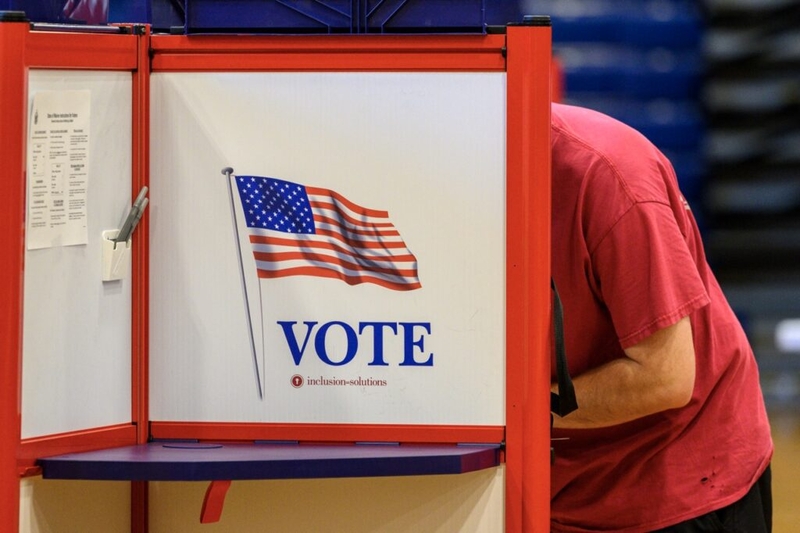
A voter fills out a ballot at the Portland Expo in Maine’s June 9, 2026, primary election. (Photo by Jim Neuger / Maine Morning Star)
The race for Ohio’s auditor of state will come down to a small town mayor with years of experience working with the state office, or the current Ohio Secretary of State.
Democrat Annette Blackwell and Republican Frank LaRose are vying for the seat, as the current auditor, Keith Faber, runs to become the next state attorney general.
The auditor of state is the Ohio’s chief compliance officer, overseeing tax and spending audits for governmental agencies and offices, including the state, counties, cities, villages, and school districts.
The auditor also has a seat on the Ohio Redistricting Commission when the redrawing of state voting district maps for legislative and congressional seats is conducted. Current Auditor of State Keith Faber even stood as co-chair of the commission during the most recent redistricting effort.
In more recent news, the auditor’s office has had to deal with alleged cybercrimes, as the web server for the agency was “attacked by overseas cybercriminals and potentially foreign state actors,” according to a statement from Faber published on the auditor’s office website.
The website was shut down “out of an abundance of caution,” and web server and online accounts were taken offline while the office determines the level of the threat.
Faber’s statement went on to say they do not believe the attack was ransomware, and the data contained by the office had been backed up. The office said it does not have reason to believe financial information for government entities audited by the agency are at risk.
“Based on the nature of the files attacked, we have no evidence this cyberattack put the personal financial information of Ohioans at risk,” according to the statement.
The auditor’s office plays an important role in the day-to-day inner workings of the state, but it’s not one that Ohioans are generally familiar with. Because of that, candidates have spent time on the campaign trail not only helping voters get to know them, but the office itself.
Annette Blackwell
Democrat Annette Blackwell has more experience with the auditor’s office than the average Ohioan, because of her current position as mayor of Maple Heights. The city struggled under a fiscal emergency designation from the state auditor’s office, causing Blackwell to hit the ground running to undo the financial crisis she inherited when she was elected to the office.
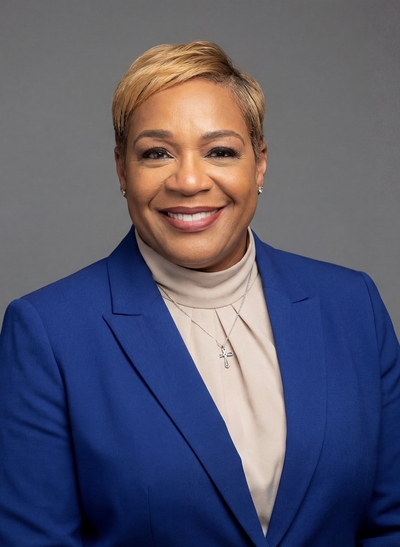
(Photo courtesy of the Blackwell campaign)
She and her team were able to get out from under the designation, eventually earning praise from the auditor’s office for their financial standing. But Blackwell said the process allowed her some perspective on what the state auditor could be doing to help communities who aren’t struggling with fraud or some other nefarious financial downfall, but rather the state of the economy, and lack of help from their state and federal counterparts.
“In our city, there was no fraud, waste, and abuse, but we lost significant revenue with reappraisal, with the middle class moving out … and skilled workforce (moving out), and then the companies that hired those skilled workers moving out,” Blackwell told the Capital Journal. “And then of course the local government fund being cut and never being totally restored, so our tax base was decimated.”
Talking to voters on the campaign trail included talking to school district representatives and township officials who are approaching fiscal concern, or have just climbed out from under it, she said.
“What I don’t hear is they felt supported (by the auditor’s office),” Blackwell said. “They felt audited, they didn’t feel audited and supported.”
As data centers become a larger and larger discussion, and mixed-use development becomes a competitive race across the country, Blackwell said financial modeling has to meet the challenge, so local governments can retain the companies, but also understand the impact of tax incentives that attract industries. While she campaigns, she is working on the Maple Heights budget as well, which involves looking at how tax abatements are impacting the bottom line for her city, and the forecast for the next five years with regular municipal costs still in need of funding, like police forces and fire engines.
“We have to negotiate in a way that keeps us whole,” she said. “We want to encourage investment and development, but not at the risk of having a fiscal crisis that leads us to some kind of designation from the auditor’s office.”
Frank LaRose
Secretary of State Frank LaRose’s campaign did not respond to multiple requests for an interview with the Capital Journal.
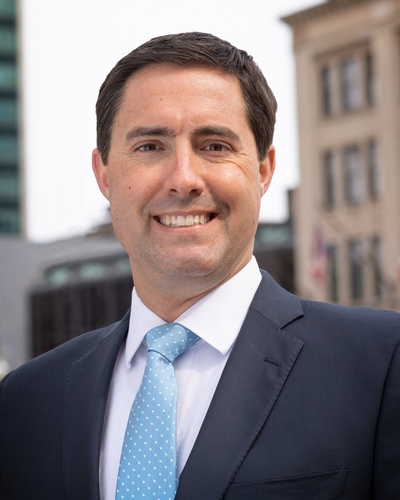
In campaign events and speeches, he has touted his experience as the chief elections officer for the state, and pledged transparency and accountability in the office of auditor.
He told attendees of an event with the Akron Press Club in May that trust “is at an all-time low in institutions of all kinds: the government, the churches, the press, businesses, civic organizations.” He said in some ways the lack of trust is “well-founded.”
LaRose said the leader of the auditor’s office should filter through the “chaotic information ecosystem” that exists in the state and nationally, and “make sure that taxpayers are empowered with accurate information about how their local, county, and state government entities are operating.”
On his campaign website, LaRose released an “accountability and affordability plan” as part of his bid to become the next auditor.
“Ohio families are facing rising property taxes, higher living costs, and government spending that keeps growing,” the 10-point plan states. “Taxpayers deserve more than another audit report gathering dust on a shelf.”
The plan includes “affordability audits” to “examine spending growth against inflation, population changes, and household costs,” along with identifying “unnecessary bureaucracy, excessive administrative expenses, and opportunities to lower costs in state agencies, school districts, and local governments.”
LaRose’s goals also include new dashboards for public spending, using artificial intelligence to “examine government transactions,” creating a program to encourage reports of public corruption called the “Ohio Taxpayer Fraud Bounty Program,” expanding the fraud investigation authority within the auditor’s office, and creating other programs aimed at efficiency, accountability, and investigation of “AI-enabled financial fraud.”
The general election in Ohio is Nov. 3, and early voting ends Nov. 1. Absentee ballots must be received by local boards of elections by Nov. 3. In-person voting on election day begins at 6:30 a.m. and ends at 7:30 p.m.
Columbus, OH