New US Census data shows more Tennesseans in poverty in 2025 than in 2024
Sep 17, 2026 | 6:01 am ET

Description
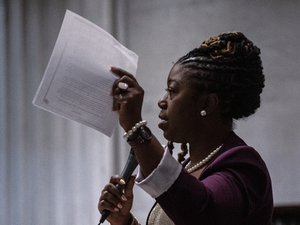
The number of Tennesseans living below the 2025 federal poverty level increased, according to the U.S. Census Bureau. (Photograph by John Partipilo/Tennessee Lookout)
Tennessee’s poverty rate rose from 10.1% to 10.7% last year, according to newly released U.S. Census Bureau data.
Overall, the Census estimated last year 762,000 Tennesseans made less than the $33,000 federal poverty threshold for a family of four. In 2024, the number was 716,000.
The numbers are within the margin of error for the Census’ Current Population Survey Annual Social and Economic Supplement, meaning the year-over-year difference is marginal.
Tennessee’s poverty trend is the opposite of the United States’, where the number of people in poverty nationwide and the overall rate fell last year compared with 2024, Census Bureau data shows.
But a September report from The Sycamore Institute, a nonpartisan think tank, found more than 40% of Tennessee households struggled to afford basic needs in 2024. Those basic needs, like housing, childcare and food, have been increasing faster than inflation since 2019.
Tennessee families must earn 85%-164% more than federal poverty limit to get by, new study finds
Mandy Spears, Sycamore’s executive vice president, said the census’ poverty threshold is “not reflective” of current spending patterns and often underestimates economic struggles.
The report found in Tennessee’s lowest cost-of-living counties, families needed a minimum yearly income of $50,000 to avoid living paycheck to paycheck.
Sycamore relied on United Way’s “ALICE” method, an alternative to the federal poverty level statistic that accounts for a broader range of family expenses.
“The Census poverty measure was created in 1960 based on spending patterns then,” Spears said. “It’s outdated.”
Nashville, TN