New rules seek to speed up WA public records system
Nov 16, 2026 | 10:02 am ET
Description
(Photo by Washington State Standard)
Simple requests for public records should move faster in Washington under guidance from the state attorney general that takes force this month.
The model rules encourage government agencies to triage requests so that easily identifiable records don’t end up in the back of the line behind complex asks that, for example, seek thousands of pages of documents or hard-to-find records.
They also urge governments to provide records within five days if the request is for a single, readily available record; limit third-party notices of requests that can slow disclosure; and transfer records stored on personal devices over to work accounts as soon as practicable.
“This update reduces barriers to information for the public and encourages government agencies to be proactive about transparency, both to better serve their constituents and to stay in compliance with the Public Records Act,” Attorney General Nick Brown said in a press release.
The announcement of the final rules concludes a contentious two-year process that started with a petition from news organizations worried about longer and longer waits for public records. Two hearings were held on earlier drafts. During the process, city clerks, typically tasked with responding to requests, contended that draft proposals would require more resources than their employers had and force records officers to discriminate between requests when deciding which to prioritize.
The changes follow statewide increases in public disclosure requests and wait times for delivery of those records. Local governments say the trend forces them to spend more money and time dealing with requests.
A survey of 236 Washington government agencies by the Joint Legislative Audit and Review Committee found they’d received more than 483,000 public records requests in 2024.
More than half of them were closed within five days, the deadline for an initial response to requests. But the average timeline from receiving the request to closing it was 24 days, according to the report. The governments spent $128 million responding to these requests.
Governments also have dealt with lawsuits over delays producing records and other issues.
The new rules add a separate wrinkle: They tell agencies to consider whether the requestor, such as a journalist, lawyer or government gadfly, has an urgent need for the records.
One of the changes frequent requestors are most excited about raises the bar for notifying people included in records about the potential release. In theory, letting people know about a request allows them to seek a court order to prevent disclosure.
The current criteria for notification is “information that may affect rights of others and may be exempt from disclosure.” The rules now will note that before sending such a notice, the government entity “should have a reasonable belief that the records are arguably exempt from disclosure.”
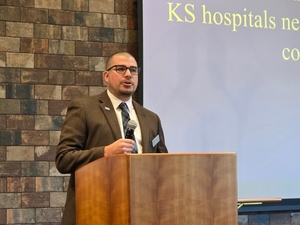
Joe Kunzler first got interested in public records in the late 1990s. He estimates he’ll file about 50 disclosure requests this year, and he writes a newsletter called The Open Government’s Advocate Corner.
“I just think public records are just so important for telling the truth and allowing guys like (me) to fill in the gaps that normal reporters can’t fill,” Kunzler said.
Kunzler gives the new rules a “B+.” He’s happy about the rules dealing with personal devices, speeding up the process and he hopes they’ll help avoid requestors having to file lawsuits because records are mishandled.
Still, he wishes the rules addressed the automatic deletion of chat messages state employees send through Microsoft Teams, which are public records. Soon after taking office last year, Gov. Bob Ferguson suspended the policy that allowed deletion after a $225,000 settlement against the state Department of Children, Youth and Families. He said a six-month evaluation would follow. The deadline passed over a year ago. Ferguson hasn’t issued a public update.
“I think it’s past time for Governor Ferguson to deal with it and say no more,” Kunzler said. “But I still feel really good. I feel like we got a win.”
A spokesperson for Ferguson didn’t respond to a request for comment Friday on the status of the evaluation.
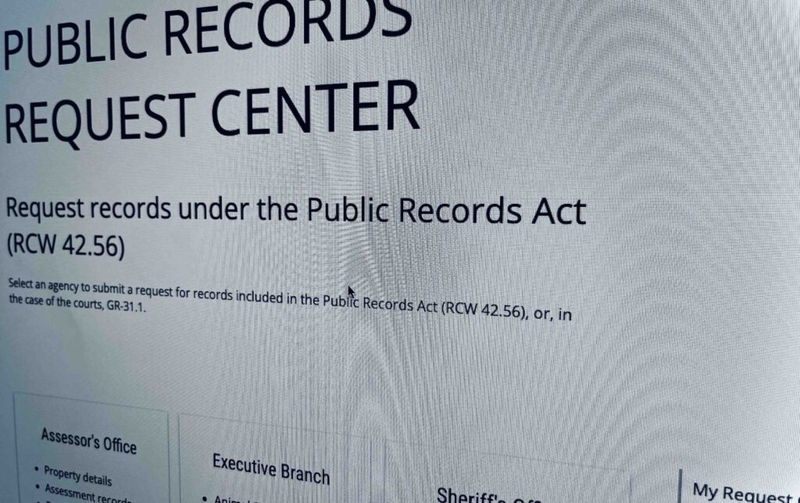
The attorney general’s rules don’t change the state’s Public Records Act, passed by voters via ballot initiative in 1972. They only serve as a guide for state and local governments on how to comply, and follow numerous revisions to the law in the decades since its approval.
The new changes take effect Nov. 26.
Kunzler said model rules like these “enhance the public’s right to know.”
The Public Records Act, he added, is “intended for the public to have sovereignty over the instruments we’ve created, not the other way around.”
Olympia, WA