New Mexico, western conservation groups lodge formal protest over federal drilling plan in Carlsbad
Oct 15, 2026 | 12:12 pm ET
Description
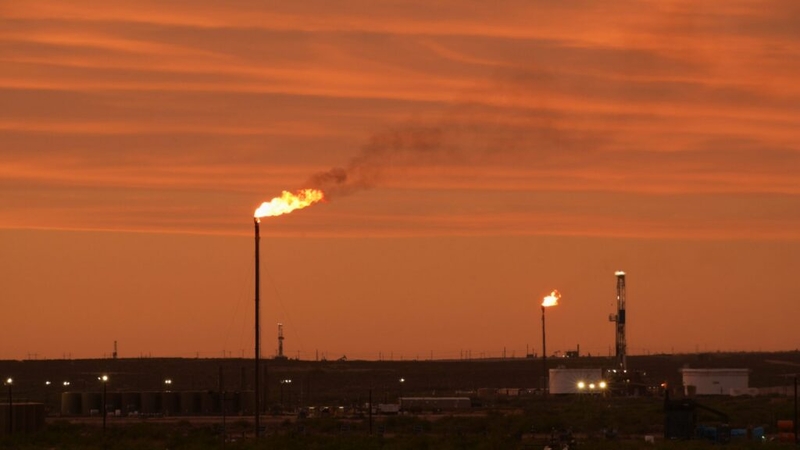
A coalition of conservation groups filed a formal protest with the U.S. Bureau of Land Management on Oct. 13, 2026, alleging that the agency’s proposed drilling plan in southeastern New Mexico violates federal law and increases climate harm. (Photo of natural gas flares near Loving, New Mexico in Eddy County by Jerry Redfern for Capital & Main)
A coalition of New Mexico and western conservation groups this week filed a formal protest against the federal land agency over proposed drilling plans in the Carlsbad area. The plan, the groups contend, violates federal law and disregards the environmental impact it will have on the land, climate and surrounding population.
The Bureau of Land Management’s Carlsbad office oversees more than 2 million surface acres and approximately 2.7 million subsurface acres across Eddy and Lea counties, leasing the land for energy and mineral projects.
The agency’s revised Carlsbad Resource Management Plan, issued in September, proposes making 97% of public lands managed by the field office available for energy and mineral leasing alongside expanded grazing and recreational opportunities, the bureau said in a Sept. 4 news release. The same release highlighted a May oil and gas lease sale of 74 parcels of land in New Mexico and Texas.
The groups argue the plan does not consider increased oil and gas extraction’s impact on the climate.
“This plan is a climate bomb,” Rebecca Sobel, WildEarth Guardians climate and health director, told Source NM.
The coalition of six conservation groups —Western Environmental Law Center, Center for Biological Diversity, Citizens Caring For the Future, Earthworks, Sierra Club Rio Grande Chapter and WildEarth Guardians — filed a formal protest on Tuesday addressed to BLM Director Stevan Pearce — a former U.S. congressman from New Mexico — alleging the BLM plan violates the federal National Environmental Policy Act’s “hard look” requirement to consider and minimize impacts on people and the environment.
“If this plan were a country, it would be the 20th worst emitter in the world annually for carbon emissions between Italy and Malaysia,” Sobel said. In a report published last Thursday, WildEarth Guardians estimates the plan would facilitate the drilling of an additional 12,096 oil and gas wells in the area over the next two decades and require 230 billion gallons of water.
In their protest, the conservation groups called on BLM to withdraw the proposed plan, write a supplemental environmental impact statement and reopen the process for public participation and Tribal consultation.
In an emailed response to Source NM, BLM spokesperson Allison Sandoval said the agency does not comment on third-party advocacy reports. The BLM’s analysis and conclusions, she added, are reflected in the Final Environmental Impact Statement “which underwent extensive environmental review and public involvement.”
BLM began revising its 1988 Carlsbad plan in 2011 and last invited public comment on a draft environmental impact statement in 2018. The revisions since then have gone without public comment, said Matt Nykiel, an attorney for the Western Environmental Law Center.
The groups also allege BLM failed to adequately examine effects on public health, water availability, air pollution and ground water contamination of oil and gas extraction. Oil and gas development, Nykiel added, “creates infrastructure that can be detrimental” to vulnerable species such as the lesser prairie chicken and dune sagebrush lizard. The area, he continued, includes fragile desert ecosystems, interconnected cave and groundwater systems and public lands surrounding Carlsbad Caverns National Park that could also be affected.
EPA head announces oil and gas emission rules rollbacks during visit to Santa Fe
The revised BLM plan marks the latest in the Trump administration’s policy changes to achieve “energy dominance” goals. Last week in Santa Fe, Lee Zeldin, head of the U.S. Environmental Protection Agency, announced rollbacks of Biden-era oil and gas regulations aimed at curbing climate-warming gas emissions in order for the U.S. “to reach its full energy potential.”
Tuesday was the final day to submit a formal protest of the proposal.
Sobel stressed that BLM should not rush to approval.
“The public needs to have a meaningful place to engage” on the issue, she said. Continued drilling in southeast New Mexico doesn’t benefit the population “in terms of their air or water quality, and certainly doesn’t benefit New Mexicans at large. It doesn’t benefit anyone in America. Just those oil executives,” she said.
Santa Fe, NM