New Mexico residents fighting to save solar observatory from demolition hail partial win
Oct 16, 2026 | 3:09 pm ET
Description
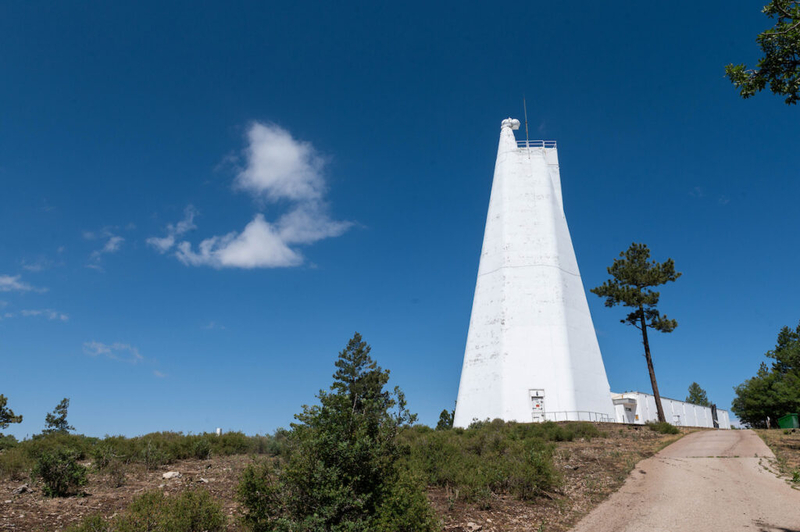
The Sunspot Solar Observatory, pictured in 2022, faces demolition after liquid mercury leaked from the main telescope. (Courtesy of New Mexico State University and Josh Bachman)
A coalition of New Mexico residents who spent the summer pushing to save a remote solar observatory from demolition are celebrating a partial victory.
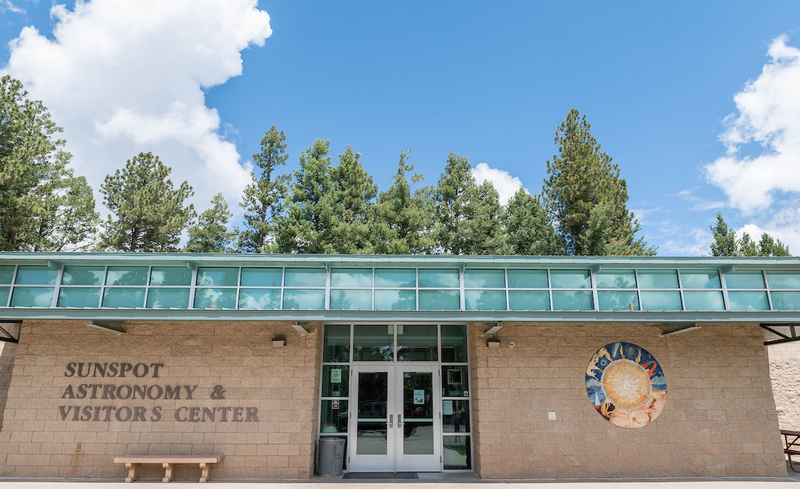
Earlier this year, the National Science Foundation announced plans to demolish the nearly 80-year-old Sunspot Solar Observatory in the Sacramento Mountains near Alamogordo due to a liquid mercury leak inside the site’s aging telescope. A band of former employees, residents and even some state lawmakers quickly pushed back and asked NSF leaders to refrain from demolishing other facilities on the property, such as the visitor’s center, that could still be used or could be repurposed into educational attractions.
The coalition, known as Friends of Sunspot, has traveled southern New Mexico, seeking support from local city councils and elected leaders. Over the summer, Spaceport America’s executive director and the New Mexico House of Representatives majority whip backed their cause.
Their efforts quickly caught the attention of enthusiasts far outside New Mexico’s borders, too.
Rick St. Hilaire, a New Hampshire-based attorney and amateur solar observer, in September lodged a formal objection to the demolition with the NSF. In it, he wrote that he learned about the demolition plans as he sat down to plan a possible November trip to Sunspot.
“The treatment of these historic properties warrants reconsideration before irreversible demolition occurs,” St. Hilaire, who declined to discuss his involvement in greater detail with Source NM, wrote to NSF officials. “I ask that NSF not irreversibly destroy this nationally significant historic complex without the kind of reasoned decision-making that the Administrative Procedure Act sets as a standard.”
NSF Chief Officer for Research Facilities Linnea Avallone wrote back to him on Sept. 24, saying that she had contacted New Mexico State Historic Preservation Officer Michelle Ensey, whom she said understood “demolition of the Dunn Solar Telescope must proceed in order to remediate the mercury contamination.”
However, Avallone added that Ensey requested that NSF “clarify that the remainder of the historic properties at the site are not slated for demolition this Fall.” Avallone added that residents and other stakeholders will have a chance to lodge objections “before any demolition beyond that required for mercury remediation occurs.”
Stephen Hamway, a spokesperson for the New Mexico Historic Preservation Division, in an email to Source NM said that “it is NMHPD’s understanding that the demolition of the remaining historic facilities on the site may not happen this year, but is currently slated to take place sometime in 2027.”
In social media groups dedicated to preserving historical observatories, posts describing the interaction between St. Hilaire and Avallone quickly spread as cause for optimism.
While many hailed the interaction as a pause on demolition, an NSF spokesperson disputed that characterization in a statement to Source NM.
“NSF’s plans have not changed: the agency still intends to demolish the remaining facilities at the site,” spokesperson Cassandra Eichner said in an email, adding that the agency is allowing objections to be heard out “before any further demolition occurs.”
Eichner added that the U.S. Forest Service is in contact with area stakeholders about potential future uses for the site and advised anyone with ideas to email them to [email protected].
Dave Dooling, Sunspot’s former education officer who is now leading the local effort to stop demolition, told Source NM he believed St. Hilaire’s objection bought preservation advocates some much-needed time.
“We’re starting to get a little more traction,” he said. “It’s not a pause so much as it is further down the schedule. But that gives us some time to try and get it saved.”

Santa Fe, NM