New Mexico insurance superintendent approves 24% premium increase on healthcare exchange plans
Sep 01, 2026 | 3:23 pm ET
Description
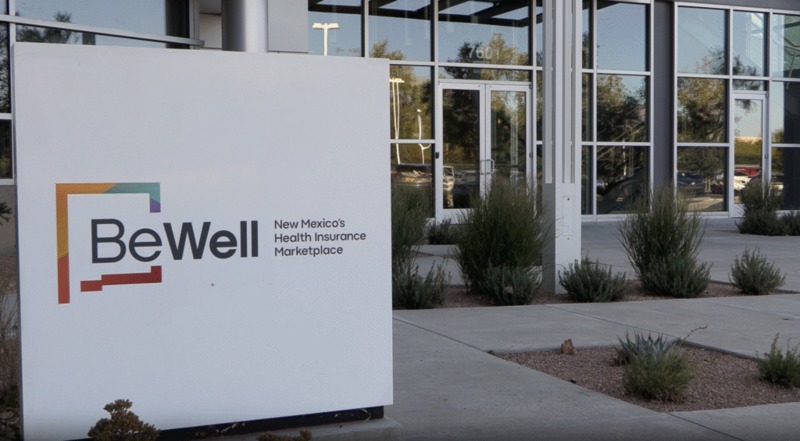
The New Mexico Office of the Superintendent of Insurance announced Sept. 1, 2026, it had approved an average premium increase of 24% beginning in 2027 for those who purchase healthcare insurance on BeWell, the state’s insurance marketplace. (Photo courtesy BeWell)
Citing inflation and rising health care costs, the New Mexico Office of the Superintendent of Insurance on Tuesday announced that it had approved a 24.4% average premium increase on BeWell, the state’s health insurance marketplace, established by the 2010 Affordable Care Act.
The increase is higher than the nationwide median increase of 15%, according to a statement from the office, and will take effect Jan. 1. Despite the rise, OSI officials noted that the state’s premiums have historically been lower than the national average and that next year’s boost will result in monthly healthcare payments that are largely in line with the rest of the nation.
A recent analysis from the New Mexico Legislative Finance Committee confirms that the average premium for the exchange’s “benchmark” plan, used to compare premium averages across states, was roughly $100 a month less than the national average between 2019 and 2022. Since 2023, the state and national averages have become roughly the same and risen in unison from approximately $450 that year to more than $600 in 2026.
“Rising health care costs and inflation are continuing to affect consumers nationwide and New Mexico is no different,” Insurance Superintendent Alice Kane said in a statement Tuesday. “Despite the rate increase, I can assure you that the rates for all the insurance companies are actuarially sound, non-discriminatory, and transparent.”
In addition to inflation and rising costs, the OSI cited the state’s “uniquely comprehensive benefits” and a statewide ban on insurance companies requiring prior approval of behavioral health services a BeWell enrollee receives as additional factors for the increase. Such prohibitions inflate premiums in the short-term, according to the office, but will ultimately lower costs and improve overall health outcomes.
The OSI further notes that 92% of the state’s roughly 80,000 BeWell enrollees qualify for state or federal subsidies, based on their incomes. Those subsidies can significantly shield enrollees from the premium costs, according to a recent Legislative Finance Committee report.
For example, the LFC found that more than 25,000 BeWell enrollees whose incomes sit between 100% and 200% of the federal poverty level paid premiums of between $10 and $67 per month, thanks to federal and state subsidies, despite their pre-subsidy premiums averaging roughly $845.
New Mexico stands out as the only state in the nation with increasing enrollment this year on its exchange. That’s because the state Legislature opted to fully replace federal tax credits that expired at the end of 2025. No other state went as far to pay for the expiring subsidies, according to the LFC.
However, the LFC report noted that the Health Care Affordability Fund, which the Legislature expanded in 2025 to pay for the expiring tax credits, could become insolvent without reductions in the state subsidies.
In the statement Tuesday, the superintendent’s office predicted that the state subsidies will “continue to play a significant role in safeguarding the affordability of health insurance” when rates increase next year.
Santa Fe, NM