New Mexico, federal experts emphasize postnatal care to address maternal mental health
Nov 18, 2026 | 4:30 pm ET
Description
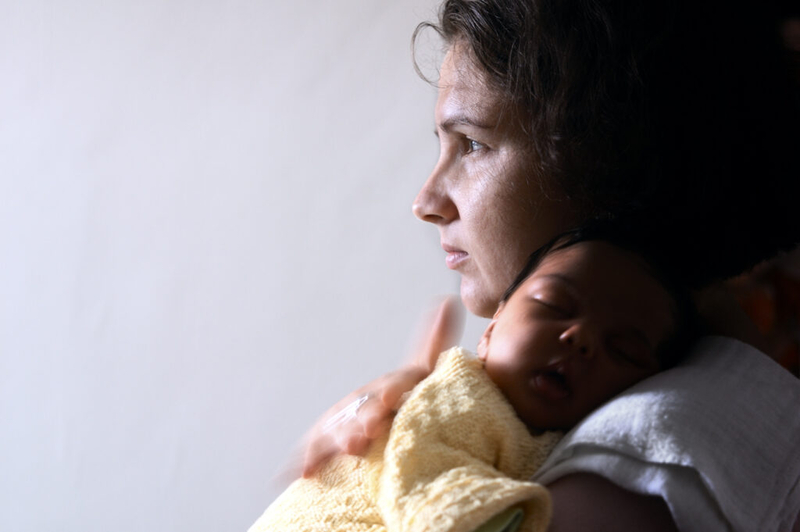
Mental health conditions are the leading cause of maternal mortality in New Mexico and nationwide, which is why a panel of state and federal experts at the Nov. 16-17, 2026, Western Governors' Association meeting in Santa Fe on mental health stressed the need for expanded community-based screening through the first year after birth. (Photo by onebluelight via Getty Images)
Mental health conditions are the leading cause of maternal mortality in New Mexico and nationwide, which is why a panel of state and federal experts this week stressed the need for expanded community-based screening through the first year after birth.
This presents particular challenges in New Mexico, however, due to ongoing workforce shortages, one local expert noted.
The panel, part of a two-day Western Governors’ Association workshop on mental health held in Santa Fe, included U.S. Department of Health and Human Services Director of Strategic Partnerships Caryn Marks, who noted that the birth of a baby is a time of significant transition for the entire family, but particularly for the mother who is experiencing both physical and mental changes. She said one in five women experience maternal mental health conditions, and that number is “very underreported,” but maternal mortality is also generally “90% preventable.”
“For mom, she’s recovering physically, there’s the adjustment for the emotions that she’s feeling. She’s caring for a newborn, and right at that time, it’s also when the clinical support decreases quite a bit, and it’s a lot,” Marks said during the panel discussion. “It’s a lot for moms that have support; it’s a lot for moms that don’t have support, and it’s stressful. It’s joyous. Let’s not forget it’s joyous, but it’s also emotionally and financially a taxing period.”
Jade Woodard, President and CEO of Family Connects — an international organization that connects families with in-home nurse checks and community resources — said most families have a six-week postpartum check up with their health care provider, but only about 60% of families attend the visit, where mental health screening can happen.
“That means we have about 40% of families that get no care after their discharge from the hospital, and this is all about how our postpartum care is structured,” Woodard said. She said the Family Connects model, which in New Mexico is offered through the state’s Early Childhood Education and Care Department — works to have a nurse visit families in-home within three weeks of birth to help them identify what supports they need.
UnitedHealth Group’s Senior Vice President of Health Optimization Catherine Anderson added that doulas and lactation coaches can be beneficial community-based providers who support mothers postpartum and help identify possible mental health conditions and refer them for assistance.
“These are things that we’ve proven and have seen incredible results in and they have remarkably reduced the terrible consequences, particularly from a postpartum perspective,” she said.
However, such support requires an expanded health care workforce to fill gaps, and New Mexico is faced with a shortage of providers across the health care spectrum, according to University of New Mexico Health Science Center Assistant Professor Trevor Quiner, who works in the Department of Obstetrics and Gynecology’s Division of Maternal and Fetal Medicine.
“We don’t have enough workforce for any one group of providers to be doing everything that’s necessary,” Quiner said. “We don’t have enough OB/GYNs, family medicine doctors, or midwives. We don’t have enough doulas, we don’t have enough psychologists, we don’t have enough psychiatrists. It really does require all of us, including these clinician extenders roles to be able to do so. And not just to have these roles, but to build a system that allows for collaboration, a community of practice.
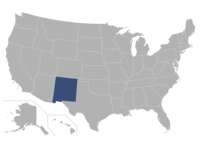
Santa Fe, NM