New Mexico Department of Justice presents Mark Zuckerberg deposition in state’s Facebook case
Sep 10, 2026 | 6:35 pm ET

Description
Randi McGinn, an attorney representing the New Mexico Department of Justice in its latest trial against Facebook, showed jurors a video of Meta Platforms CEO Mark Zuckerberg on Sept. 9, 2026, in Santa Fe’s First Judicial District Court. (Photo by Nathan Burton/The New Mexican)
New Mexico Department of Justice attorneys led the second day of the state’s trial against Facebook by showing the jury a video deposition of founder Mark Zuckerberg regarding allegations that his company’s leaders publicly misrepresented how they stored and shared users’ data.
In the video deposition, attorney Randi McGinn, who’s representing the NMDOJ in the case, asked Zuckerberg a series of questions about the company’s data privacy policies. Although the case is largely focused on allegations that Facebook — now known as Meta Platforms — exposed personal information in data breaches such as the Cambridge Analytica scandal, McGinn spent much of the deposition questioning Zuckerberg about the company’s practices regarding content moderation and combatting misinformation.
“Despite your promise to treat politicians the same as ordinary users, Facebook created something known as a ‘whitelist,’ which shielded politicians from being fact-checked, didn’t it?” she asked Zuckerberg, who answered that he wasn’t familiar with such a list.
After nearly an hour, their conversation turned to the case’s central themes: whether, and how, third-party apps on the website improperly obtained millions of users’ personal data.
In the Cambridge Analytica data breach, an academic posted a personality quiz on the website. When people clicked on it, they surrendered their data, as well as their Facebook friends’ data, which the creator then sold to a consulting firm that aided President Donald Trump and Ted Cruz’s political campaigns.
Attorneys for the state have alleged that the pattern of exposing the data of everyone on a Facebook user’s friends list was common for years.
Zuckerberg disputed that characterization in his deposition.
“You’re missing the most important part, which is that the person had to grant the app developer permission” to access their data, he told McGinn.
His statements echoed an argument Facebook’s attorneys made in their opening arguments in Santa Fe Wednesday — that many of the case’s relevant details are outdated.
For example, Zuckerberg pointed to the data vulnerabilities associated with using third-party apps. It was popular in the social network’s early days to play games like FarmVille or Words with Friends on a computer while logged into Facebook, but that changed once social media use increasingly migrated to smartphones.
“Before maybe 2012, most of the use of Facebook was on our website. Now it’s in mobile apps,” he said. “We had a developer platform that allowed developers to build things that would go inside the website. On mobile apps, that’s not how it works, because of the rules around Apple and app stores and things like that. So, it’s evolved quite a bit over time.”
The trial, which stems from a lawsuit former New Mexico Attorney General Hector Balderas filed in 2021, is expected to run through early October. NMDOJ attorneys on Thursday also began questioning witness Samuel Woolley, a University of Pittsburgh professor and expert on computational propaganda, after finishing the recording of Zuckerberg’s deposition. Witness questioning is expected to continue Friday.
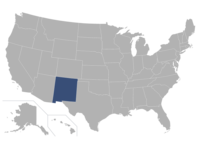
Santa Fe, NM