New gang task force should remind us of the infamous Metro Gang Strike Force
Nov 23, 2026 | 7:00 am ET
Description
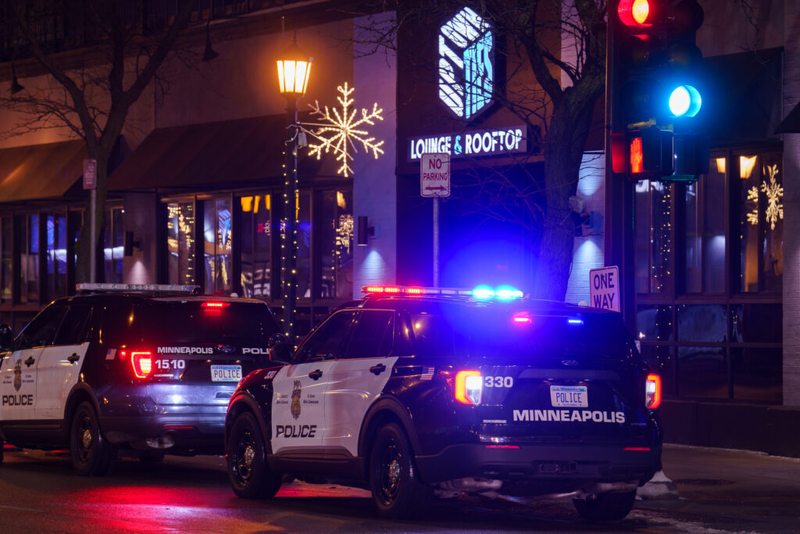
Minneapolis Police Department squad cars parked downtown. (Photo by Chad Davis/Minnesota Reformer)
State and local law enforcement officials recently announced a coordinated effort to combat gang violence, particularly among groups of Somali American youth.
Let’s hope they learned from the fiasco known as the Metro Gang Strike Force, a multijurisdictional unit that was abruptly shut down in 2009 amid a series of scandals, including beatings, thefts and mishandled evidence. I’ve not been reassured, however, by recent comments from by law enforcement leaders.
The new initiative calls for collecting and sharing intelligence through the state’s Crime Gun Intelligence Center, led by the Minnesota Bureau of Criminal Apprehension, the FBI and the Bureau of Alcohol, Tobacco, Firearms and Explosives.
Information will be shared among dozens of agencies, with each case assigned to a participating agency, according to BCA Superintendent Drew Evans.
Unlike the Metro Gang Strike Force, which was a stand alone unit comprising officers from law enforcement agencies across the Twin Cities, the new initiative appears to be coordinated but decentralized, at least for now. Yet the announcement left unanswered questions about oversight and accountability.
The new initiative is aimed, in part, at young Somali Americans whom law enforcement officials have deemed gang members. “Somali American gang and group violence is a problem, and not the Somali community,” Evans said.
Not a single Somali American law enforcement officer or official spoke at the news conference. Their absence was striking, given that Somali American police officers had gathered with community members around the same time to discuss youth violence, prevention and the dangers of racial stereotyping. Their voices should have been part of the announcement.
The history of the Metro Gang Strike Force shows why those voices matter. One of the unit’s worst offenses was the targeting of people of color, particularly Black and Latino young people, often without probable cause. Strike Force members seized property without justification, often without making arrests. Some officers took the property home for personal use, even driving cars they had seized. If you were a young person of color, you were a suspect.
What safeguards will protect the civil rights of Somali Americans and other communities of color under this latest anti-gang initiative?
Given the Metro Gang Strike Force’s record of misconduct, the question demands an answer.
Yet law enforcement officials offered no explanation for how they would prevent similar abuses.
To avoid repeating that history, every officer and official involved in the new program should get intensive training on civil rights protections and the racist practices that became a hallmark of the Metro Gang Strike Force. Training, however, must be backed by meaningful oversight and accountability.
Evans of the BCA announced that an attorney from the Minnesota attorney general’s office would serve as an adviser to the new coordinated anti-gang effort. But an adviser alone is insufficient. The Metro Gang Strike Force operated without adequate legal oversight, including a designated prosecutor responsible for reviewing the Strike Force’s day-to-day operations. To prevent similar abuses, the new initiative needs an attorney with meaningful oversight authority, actively reviewing cases and protecting the rights of those under scrutiny.
Things got so bad that after the Strike Force was dismantled, the League of Minnesota Cities Insurance Trust paid $3 million to settle claims arising from the misconduct of the officers. A special master appointed by a federal judge oversaw payments to victims. By the time it was over, the Strike Force had undergone a special review by the Minnesota Legislative Auditor and an independent investigation, commissioned by the state’s public safety commissioner. Legislators also scrutinized the unit during hearings after it was dismantled.
Equally troubling in last week’s announcement was the emphasis on coordinating a law enforcement crackdown, with little discussion of prevention. Gangs don’t emerge from nowhere. Young people need culturally responsive mentorship, family support and meaningful alternatives to violence. Rather than relying primarily on enforcement, officials should develop a broader strategy that addresses the conditions contributing to youth violence. A law enforcement approach alone is not going to solve these problems.
Then there’s the elephant in the room: Federal law enforcement. The same authorities from the U.S. Attorney’s Office and FBI who have joined the effort to combat gang violence, including shootings involving Somali American youth, have failed to provide meaningful cooperation with state investigations into the killings of Renee Good and Alex Pretti.
Somali American youth would be right to see a double standard: 46 law enforcement agencies mobilizing to investigate violence that officials say was perpetrated by “Somali gangs,” while federal authorities have obstructed investigations into the killings of Good and Pretti, shielding federal agents from prosecution.
Nor can we ignore the political climate surrounding the anti-gang initiative. President Donald Trump has repeatedly targeted Somali Americans with inflammatory and racist rhetoric, supported by other politicians including Minnesota U.S. Rep. Tom Emmer, the House majority whip. Such rhetoric undermines community trust in law enforcement’s motives.
Standing behind Evans at the news conference was a familiar figure: Ramsey County Sheriff Bob Fletcher. Fletcher was voted out of office in 2010 amid criticism of his oversight of the Metro Gang Strike Force. The Ramsey County Sheriff’s Office served as the unit’s fiscal agent, although Fletcher was never implicated in wrongdoing. He maintained that he had no involvement. Yet questions about his oversight persisted as the scandals unfolded. Now, he’s back at a news conference discussing another coordinated anti gang initiative.
This latest anti-gang effort is being overseen by the BCA, a state agency within the Minnesota Department of Public Safety. But oversight cannot stop there. The governor, attorney general and Minnesota Legislature must closely watch this initiative, push for a broader approach that includes violence prevention and be prepared to intervene if necessary.
The news media must remain vigilant, too. Minnesota needs an effective response to gun violence, but one grounded in accountability, community trust and respect for civil rights.
Our state cannot afford another Metro Gang Strike Force scandal.

Saint Paul, MN