New chicken processing waiver will keep small KY farmers from running afoul of the law
Jun 29, 2026 | 5:30 am ET
Description
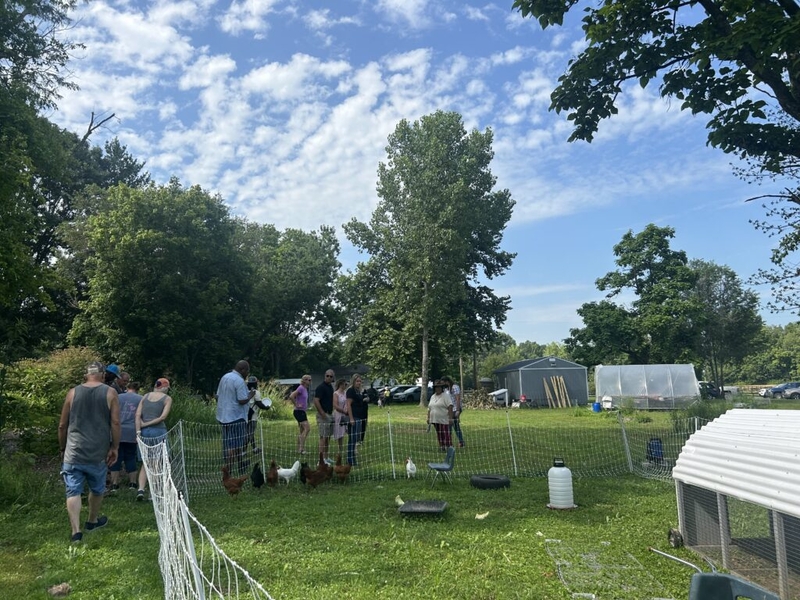
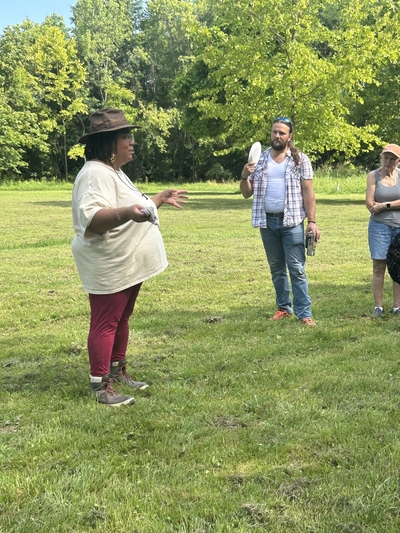
At an event last summer, Jefferson County farmer LeTicia Marshall explained how small scale poultry operations can work. A new USDA waiver will allow Kentucky farms to do small-scale poultry processing. (Kentucky Lantern photo by Kimmie Ishmael, Community Farm Alliance)
Farmer LeTicia Marshall grew up helping her grandparents grow tobacco on 40 acres in Metcalf County. She has fond memories of riding the setter. After becoming a mother, Marshall began gardening as a way to ground herself. That practice grew into a small urban farm in Jefferson County and her life’s work of advocating for food and land access in her community.
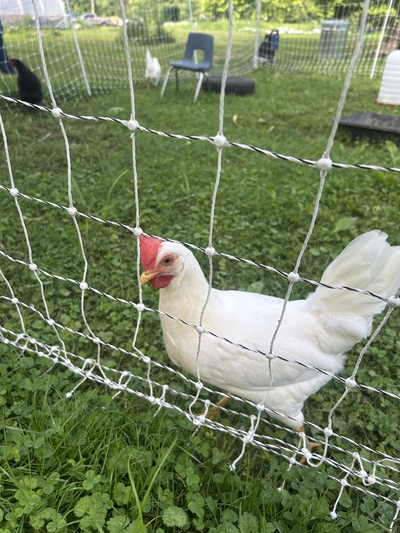
Now Marshall is in her third season of establishing BearFruit & Grow, a 4.23-acre farm in Louisville, from the ground up. She always wanted chickens and grew her flock from 15 birds to more than 80. While most are laying hens, she periodically runs a meat cycle with about 50 birds. It’s through that process that she noticed some challenges with small-scale chicken farming in Kentucky.
That’s why she’s excited that in April, Kentucky became the 49th state to adopt a USDA waiver to allow on-farm processing of poultry. It permits small-scale farmers to harvest up to 1,000 birds themselves while still requiring they meet all food safety regulations.
Rep. Josh Bray, R-Mount Vernon, was a consistent supporter of adopting the practice in the commonwealth.
“I had a constituent bring the issue to me,” he wrote in an email. “After discussing, it was pretty clear that other states have safely implemented this existing USDA exemption. Kentucky should be the friendliest farmer state in the country. Cutting red tape and burdensome regulations help keep costs down and, in this case, will make it easier to source locally farm-raised chicken.”
Before this special allowance, farmers took their poultry to one of only three USDA meat processors in Kentucky. Slots can fill up a year in advance. Marshall’s husband, Joe Marshall, is trained to process chickens, but the only place he could do so is the Kentucky State University mobile unit. Contrary to its name, it’s actually unable to be used away from the school for chicken processing.
The price of feed is rising and the birds eat a lot. Transporting the birds is an issue in and of itself. The closest processing facility to Marshall is a 1.5-hour drive, and the next closest is 2.5 hours. Traveling those distances is stressful for the animals and some inevitably die, cutting into Marshall’s profit.
“I looked at ways to minimize all of those challenges and found out we were only one of two states that didn’t allow small scale farmers to process chickens on the farm,” said Marshall.
A seat at the table
That’s when Marshall started working with Community Farm Alliance, a state-wide farmer advocacy group that had been pushing to pass the chicken bill for over a decade. Kimmie Ishmael, CFA’s Policy Specialist, noted that the only other state that excluded the practice was Arkansas; both states have major industrial poultry producers. She says it was a crucial policy for the growing number of small farmers here.
“Kentucky farmers have an average annual income of less than $30,000 and this change should lower their costs a lot,” she said. “There’s a 500% increase in people entering first generation farming, especially in Eastern Kentucky. This was a huge barrier for beginner farmers and farmers of color.”
Ishmael sees her role as getting farmers a seat at the table about issues that affect them. She believes many legislators were not aware of the possibility and need for the law; as an agriculture state, accepting the waiver closed a huge opportunity gap in the local food system.
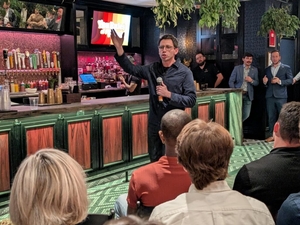
Ishmael helped Marshall develop relationships with state leaders. Marshall hosted a pivotal encounter between food system and governmental leaders at BearFruit & Grow last summer. The Policy for Chickens event featured a panel discussion with four Kentucky farmers sharing how this policy affected their real-life farm businesses.
In addition, Marshall invited a fellow poultry farmer from Tennessee. He set up his processing station and showed people how he adhered to food safety guidelines. The set-up was minimal, just separate stations under a 10×20 canopy tent, accessible to almost any farmer. It went a long way to allay fears about handling waste and potential smells.
About 50 people attended, including farmers, Extension Service staff, university representatives, chefs, and people from other food advocacy groups. After the event, the president of Kentucky State University and legislators began talking about possible solutions. Rep. Emily Callaway, R-Louisville, attended and went on to co-sponsor House Bill 639. After getting the Kentucky Farm Bureau on board, the effort really started building momentum.
But the 2026 General Assembly was winding to a close, and advocates thought it wasn’t going to make it on the floor again. Marshall said they even began making plans to engage with legislators in the break before the next session. Then the House added an amendment to Senate Bill 73, originally about allowing tallow cosmetic products for home-based processing, and it passed.
“The legislative session was really getting down to the wire,” Marshall said. “It’s taken a lot of effort, but then one day it just happened.”
On-farm poultry processing goes into effect July 8. CFA is taking the lead on working with governmental leaders to work out the training program and other program specifics.
Even before it’s gone into effect, having a more affordable option for processing is bolstering small farmers. Ishmael said she had the honor of sharing about the new law with one experienced poultry farmer. In his 80s, he had loved raising chickens for many years but told her he thought it might be time for him to quit. When she shared about SB73, he began to tear up, so grateful to have a promising way to make his work more viable.
Frankfort