New campaign aims to help NC Medicaid recipients keep coverage under new rules
Oct 29, 2026 | 4:45 pm ET
Description
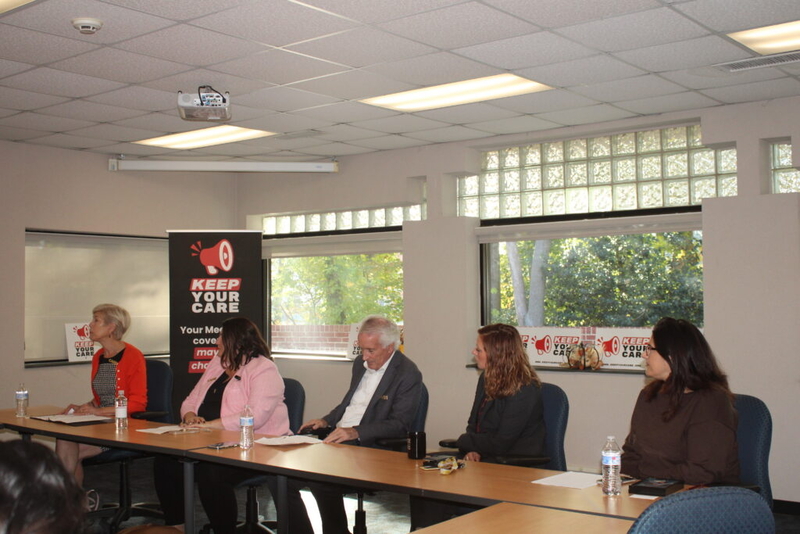
Congresswoman Deborah Ross (left) sat on a panel with Nicole Jorwic, Kirk Adams (center), Rep. Sarah Crawford, D-Wake, and Jamie Richmond (right) in Raleigh on Oct. 29, 2006. (Photo: Keep Your Care)
A new campaign launching in North Carolina aims to help Medicaid recipients navigate upcoming federal requirements and avoid losing coverage because of confusing paperwork or reporting rules.
Keep Your Care, a national campaign focused on helping people maintain Medicaid coverage, launched its North Carolina effort Thursday at a Raleigh roundtable with recipients, caregivers and lawmakers.
“No one should lose health coverage because of confusing paperwork or red tape,” said Nicole Jorwic, a co-lead of Keep Your Care.
Beginning Jan. 2027, most adults covered through Medicaid expansion will need to document at least 80 hours of work a month, education or community service or qualify for an exemption. States will also be required to check eligibility at least twice a year, rather than annually.
The Keep Your Care campaign plans to use digital advertising, community outreach and partnerships with local organizations to help people understand the rules, identify exemptions and meet deadlines. Enrollees and caregivers can sign up through the website to find information and get the latest updates on rule changes.
More than 700,000 North Carolinians enrolled through Medicaid expansion will be subject to the new rules. Gov. Josh Stein’s office estimated that more than 250,000 people could lose coverage under the changes.
Stein says NC counties will shoulder costs of new Medicaid rules, urges Congress to reverse cuts
Even as the deadline approaches, the rules are still in flux. On Thursday, a federal court ruling narrowed how the requirements can be applied to some very ill patients.
North Carolina Attorney General Jeff Jackson announced that a judge has struck down a federal rule that would have required patients with cancer and other serious illnesses to prove their conditions prevented them from meeting the work requirements. The state estimated the restriction threatened coverage for 64,000 North Carolinians.
Although the ruling blocks enforcement of that restriction, the other Medicaid work and reporting requirements will remain in place for now, though another legal challenge is underway in Maryland.
At Thursday’s roundtable, caregivers and advocates described how losing Medicaid coverage could affect families already struggling to afford care and disability services.
Jamie Richmond, a family navigator at the Tammy Lynn Center, described balancing her work supporting families with care for her 7-year-old son, who has autism, and her mother, who lives in Florida and relies on Medicaid.
She said her son’s speech, music and other therapies cost about $1,400 a month out of pocket. Medicaid also helps families access services like respite care, she said.
“Families need help before they reach a crisis,” she said. “And it looks like the crisis is coming faster.”
Campaign organizers said they want to reach people before the new requirements take effect, including those who may qualify for coverage but struggle to understand or comply with the reporting process.
Congresswoman Deborah Ross, a Raleigh Democrat who participated in the roundtable, said outreach and education will be important as the state prepares to implement the requirements.
Ross said Democrats could pursue changes to the law if they regain control of Congress, though she did not outline any specific proposals.
“One good thing about some of these changes is that they don’t go into effect immediately,” she said. “People are terrified, but we can reverse it. We can extend some of the deadlines, and we can change things around.”
The federal requirement applies specifically to Medicaid expansion enrollees. However, advocates at the event raised concerns about additional funding cuts to the Medicaid program that could also affect people with disabilities, seniors and the families who care for them.
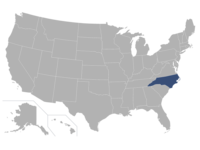
Raleigh, NC